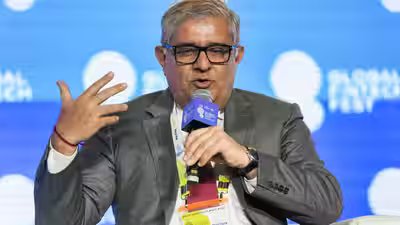
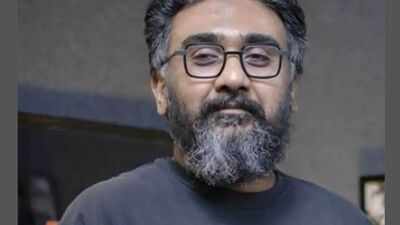
MUMBAI: For years, Kunal Shah has built companies around a simple question: What makes people change their behaviour?In 2010, when he founded FreeCharge, it was the dull act of mobile recharges. In 2018, when he founded Cred, it was the monthly ritual of paying credit card bills. Now, Shah is headed to one of the world’s largest consumer products, WhatsApp, the Meta-owned messaging app used by billions of people across countries, languages and income groups.Meta Platforms on Monday appointed Shah as the new global head of WhatsApp, replacing Will Cathcart after a seven-year run. Shah will relocate to Meta’s California headquarters for the role. He will step away from day-to-day responsibilities at Cred, while continuing as a shareholder.The move marks one of the most high-profile transitions of an Indian startup founder into the top leadership of a global bigtech product. It is also a striking turn in Shah’s career: from building products for India’s urban, creditworthy consumers to leading an app that sits on the phone screens of shopkeepers, families, students, small businesses, political workers and professionals around the world.
Shah, 47, is not the usual bigtech executive. His public persona has always been part founder, part investor and part internet philosopher. His LinkedIn profile describes him simply as “Founder: CRED, curious.” The word is not accidental. Shah has built much of his public image around curiosity, trust, status, incentives, money, ambition and why people do what they do.Shah studied philosophy at Wilson College in Mumbai. He later enrolled in a part-time MBA programme at NMIMS but dropped out. In interviews, he has said he began working in his teens while continuing his education. Before FreeCharge, he founded PaisaBack, a cashback promotions company, in 2009. That business eventually pivoted into FreeCharge, which he co-founded with Sandeep Tandon.FreeCharge made something boring feel useful. It gave consumers rewards for online recharges and bill payments at a time when India’s digital payments market was still young. In 2015, Snapdeal acquired FreeCharge in a cash-and-stock deal widely reported at about Rs 2,800 crore, or $400-450 million. For Shah, it was a big exit.After that, he became one of India’s most active angel investors, backing startups across fintech, consumer internet and media. As per market intelligence firm Tracxn, his investments – including Razorpay, Shiprocket, Snapdeal, Rapido, Spinny, Bigbasket and Unacademy – total 297. He has also advised AngelList and Sequoia Capital, served on the boards of Pine Labs and Syrma SGS, and chaired the Internet and Mobile Association of India for a period.Then came Cred.The first version of Cred sounded narrow: an app that rewarded users for paying credit-card bills on time. But behind it was a larger Shah thesis. In an interview with TOI last year, Shah said consumers are invariably penalised for missing payments or damaging their credit scores, but rarely rewarded for responsible financial conduct. Cred was built to reward good behaviour. At some point Shah realised credit-card bill payments alone were limiting. So, he moved also into lending, UPI, account aggregation, shopping, travel and secured loans.