Caitlin Clark pushed back on the nonstop attention surrounding her career during Friday’s Indiana Fever practice, addressing both the media narratives that follow her every move and the online harassment aimed at players across the WNBA. The Fever star spoke five minutes on the topic, a rare extended statement from someone who typically keeps postgame remarks short.Her comments came days after Phoenix Mercury forward Alyssa Thomas received a one-game suspension for making contact with Clark’s throat during a June 24 game, an incident that spiraled into a wider conversation about threats and abuse directed at WNBA players.
Caitlin Clark responds to nonstop attention surrounding her career
Caitlin Clark said the constant coverage of her, on and off the court, has taken a toll that fans don’t always see. “It can be really frustrating to me at times and it’s difficult,” she said, pushing back on the idea that she processes criticism without any emotional cost. “A lot of people sometimes think I’m a robot. I’m not a robot.”She pointed to a specific headline that framed her season as defined by frustration, saying nobody had actually asked her about it. “No one ever asked me that. Nobody ever asked me, that’s wrong,” Clark said, arguing coverage should focus on her play rather than manufactured storylines. At 24, she said she’s still figuring out how to carry that weight. “I’m 24 years old, trying to navigate a lot,” she said, adding that the attention “probably affects me a little bit more than I do put on.“
Caitlin Clark breaks silence on threats and harassment
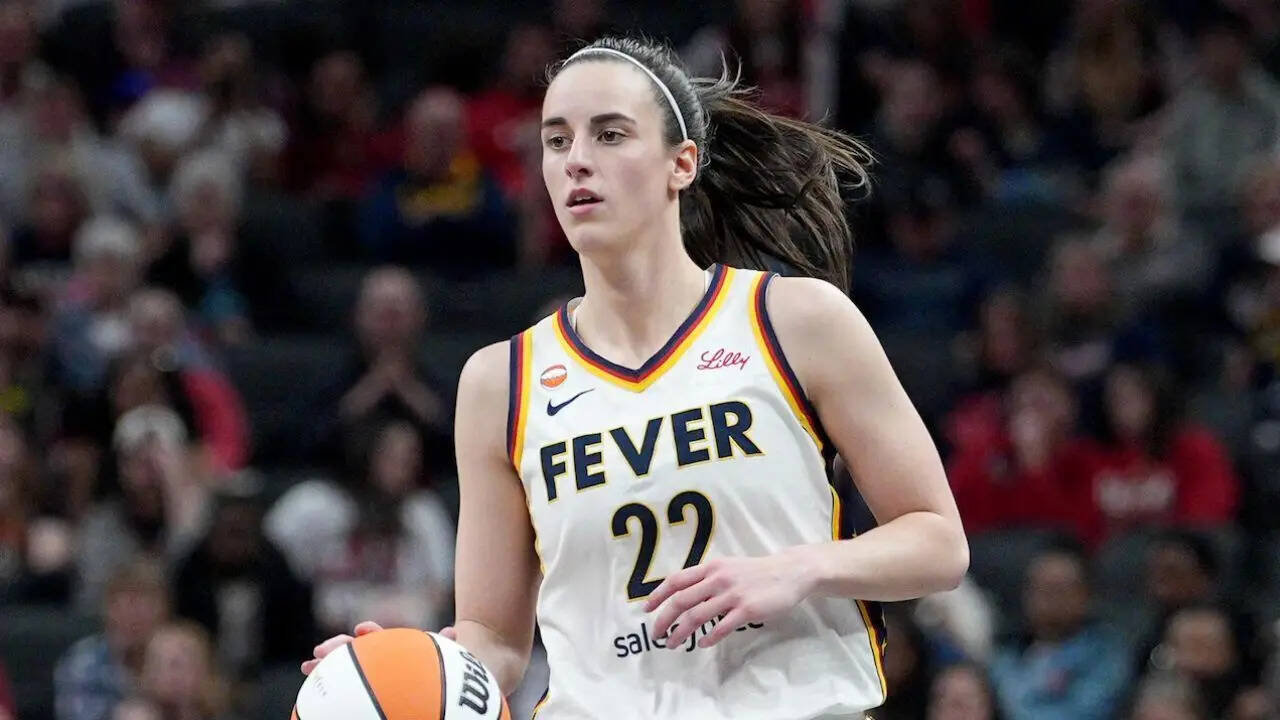
Caitlin Clark injury update. Image via: A.J. Mast/NBAE via Getty Images
Clark drew a sharper line when the subject turned to threats and abuse rather than ordinary criticism. “The harassment, the hate, none of that is OK,” she said, extending that standard to opposing teams, her own coaches and teammates alike. She was clear that questioning someone’s basketball is fair game, but attacks on character are not.The comments followed Thomas’ own account of what she faced after her suspension. The Mercury forward said she received death threats and racial slurs in the days after the incident, prompting WNBA commissioner Cathy Engelbert to issue a statement condemning “any and all forms of hate.” Fever coach Stephanie White echoed that sentiment at her own press conference, saying the league has seen a rise in “toxicity, racism, homophobia” mostly originating from anonymous accounts online rather than genuine fans.
Why does this keep happening around Clark and the WNBA?
The scrutiny has grown alongside the league’s rapid commercial rise. Clark’s arrival helped drive a new media rights deal and a landmark collective bargaining agreement that raised player salaries, but that same visibility has brought a surge of social media vitriol that predates her career yet has intensified since her rookie season. The WNBA has responded with expanded security on the road, charter flights for every team and artificial intelligence tools designed to flag threats faster, along with expanded mental health resources for players.None of those measures fully solve the underlying problem, since most of the abuse comes from anonymous accounts rather than identifiable fans. The WNBPA sent players a letter last week reinforcing that threats and harassment are never acceptable, regardless of how heated the on-court rivalry gets.