
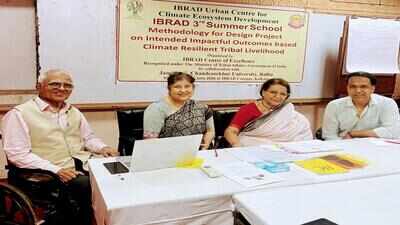
Academics, policy experts and sustainability practitioners gathered in Kolkata this week for a workshop on ecosystem restoration, where discussions focused on community-led conservation, revival of traditional ecological practices, and the need to build a skilled workforce for climate action.The event, organised by the Indian Institute of Bio-Social Research and Development (IBRAD) at its Centre of Excellence, brought together participants from environmental research, social development and education sectors. The workshop centred on developing frameworks for what organisers described as “ethical biodiversity parks” integrating ecological conservation with cultural and historical knowledge systems.Former civil servant Kalyan Kumar Chakravarty, who attended as chief guest, addressed the gathering, which included researchers, educators and social sector professionals.Several speakers highlighted the role of local communities in conservation efforts. S.B. Roy, founder chairman of IBRAD, said ecological restoration initiatives are more effective when communities are directly involved in decision-making and implementation. He also referred to the use of digital tools alongside traditional knowledge systems in strengthening climate resilience.Madhu Khanna, an indologist and keynote speaker, spoke about the relevance of “sacred groves” , traditionally protected forest patches , describing them as potential reservoirs of biodiversity. She noted that such practices could contribute to contemporary conservation strategies.
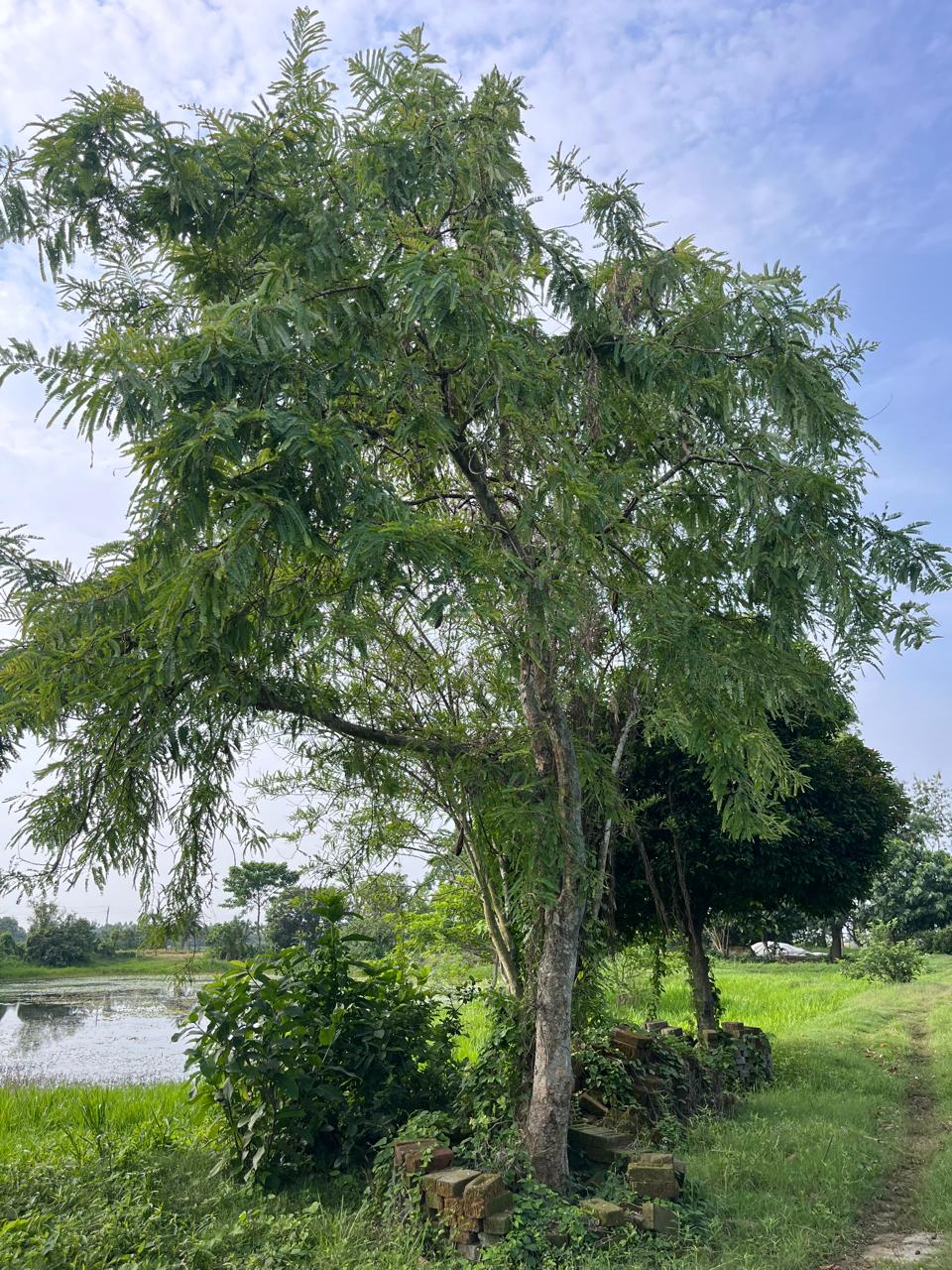
On implementation, Raktima Mukhopadhyay, executive director of IBRAD, discussed the use of geographic data and mapping in designing livelihood-linked environmental programmes, particularly for tribal and forest-dependent communities.The workshop also addressed employment pathways in the sustainability sector. Sauraveswar Sen, founder of Catalyst Learning Services, highlighted the need for structured training and career development in areas such as climate action, environmental management and ESG (environmental, social and governance) roles. He said building a trained workforce is critical for scaling climate initiatives beyond local projects.The session concluded with participants outlining broad approaches for developing biodiversity parks incorporating water management systems, indigenous plant species and conservation zones. Organisers said these ideas would require further planning and collaboration for implementation.IBRAD, established in 1985, works on tribal development, climate adaptation and forest management, and is recognised as a Centre of Excellence by the Ministry of Tribal Affairs.