

Confidence rarely arrives through one grand moment. It is built quietly, almost invisibly, through hundreds of ordinary interactions that children experience every day. A parent’s reaction after a failed test, the way they respond to endless questions, whether they listen without interrupting or allow a child to solve a small problem alone, these moments may seem insignificant at the time, but psychology suggests they leave a lasting impression. Children are not born believing they are capable or incapable. Those beliefs develop gradually as they interpret how the important adults in their lives respond to them. Research in developmental psychology consistently shows that confidence grows when children feel safe to try, fail, recover and be accepted for who they are, not just for what they achieve. The encouraging news is that many of the habits that nurture healthy self-belief cost nothing. They simply require consistency, patience and attention. Here are eight surprisingly small parenting habits that can shape a child’s confidence for years to come.
Let them struggle a little before stepping in
3 Jul 2026 | 12:38
How do you teach children about money and financial responsibility?

Every parent wants to make life easier for their child. It is instinctive to tie the shoelace that is taking too long, finish the difficult homework question or immediately solve an argument with a sibling. But psychology suggests that confidence grows from competence, and competence grows through experience. When children are given a little time to work through a challenge on their own, they discover something important: I can do hard things. Even if they eventually need help, the opportunity to try first teaches resilience far more effectively than immediate rescue ever can.
Describe the effort, not just the outcome
It is easy to say, “You’re so smart,” after a child scores well in an exam. Yet psychologists have long found that children benefit more from praise that focuses on effort, persistence and strategies rather than fixed abilities. Comments like “You kept practising even when it became difficult” or, “I noticed how carefully you prepared for this” encourage children to believe that improvement comes through effort. Over time, they become less afraid of mistakes because success no longer feels tied to being naturally gifted.
Listen without rushing to solve everything
Children often share problems that seem small to adults, such as a disagreement with a friend, a poor grade or anxiety before a school performance. Parents naturally want to fix the situation as quickly as possible. Yet being listened to without interruption sends an equally powerful message: Your thoughts matter. When children feel heard before advice begins, they are more likely to trust their own emotions and develop confidence in expressing themselves. Sometimes the greatest gift a parent offers is not the perfect solution but their full attention.
Let them make age-appropriate decisions

Confidence develops when children experience that their choices have value. Allowing a young child to choose between two outfits, decide which book to read before bed or help plan a family meal may seem like minor decisions, but they quietly build independence. As children grow older, those choices naturally become more meaningful. Making decisions, learning from small mistakes and understanding consequences all contribute to a stronger sense of self. Parents who guide rather than control every choice often raise children who become comfortable trusting their own judgement.
Speak about mistakes as something everyone makes
Many children believe mistakes are something to hide. They worry about disappointing parents, teachers or themselves. That fear can slowly chip away at confidence. Parents can change this simply by changing the conversation. Instead of asking only, “Why did this happen?” they might ask, “What do you think you learned from it?” Sharing stories about their own mistakes also reminds children that failure is not proof of weakness. It is part of learning, for adults as much as children.
Give responsibilities that show you trust them
Children often become more confident when adults show they are trusted with real responsibilities. Watering plants, packing their own school bag, helping prepare dinner or looking after a younger sibling for a few minutes communicates something deeper than the task itself. It tells them, I believe you are capable. That belief often becomes something children begin to hold about themselves. Responsibility should match a child’s age, but even small tasks can foster independence and pride when they are treated as meaningful contributions rather than chores.
Avoid comparing them, even positively
Comparison has become almost impossible to escape. Children hear about classmates, cousins, neighbours and siblings who appear to be doing something better. Even compliments such as, “You’re smarter than your brother,” can quietly teach children that their worth depends on outperforming someone else. Psychologists have found that constant comparison often fuels insecurity rather than confidence. Children thrive when they are encouraged to measure progress against their own growth instead. Celebrating personal improvement helps them develop a stable sense of self-worth that does not depend on being better than everyone else.
Let your love feel bigger than their achievements
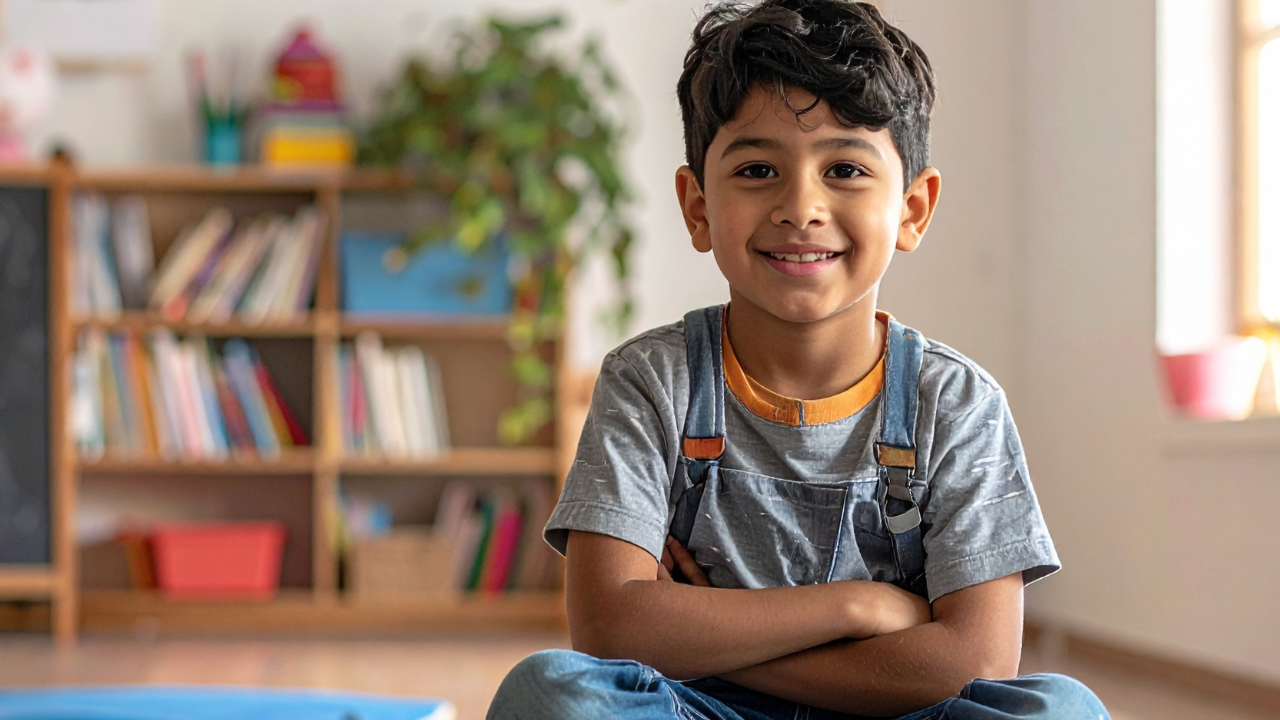
Perhaps the most powerful confidence builder is also the simplest. Children need to know they are loved on ordinary days, not only after winning competitions, bringing home excellent grades or making parents proud. The small rituals matter more than many people realise, a hug after a disappointing day, asking about school with genuine interest, smiling when they walk into the room or reminding them that one bad result does not change how much they are valued. These everyday moments create emotional security, and emotional security is often where confidence quietly begins.Confidence is rarely built through motivational speeches or expensive opportunities. More often, it grows through ordinary mornings, dinner-table conversations, bedtime chats and countless moments that seem too small to matter. Developmental psychology continues to show that children borrow their earliest beliefs about themselves from the adults who raise them. When parents consistently communicate, through words and actions, “You are capable, you are valued and you can learn from setbacks,” children gradually begin to believe it too. And those quiet beliefs often become the foundation on which they build the rest of their lives.