
Sudipta Mondol is a holistic health coach, an actress and currently famous because of her role in the documentary Naked and Afraid, Aadimanav in which she spends 10 days in an unforgiving jungle exactly as a primitive human would. But was she always happy and successful? Far from it!Sudipta was born in Sindri into a middle-class nuclear family that included her parents and an elder brother. Growing up in a small industrial township, she was surrounded by people all the time. In places like Sindri, loneliness is not something one is expected to experience. Everyone knows everyone, neighbours are deeply involved in each other’s lives, and privacy is almost a luxury. Yet, despite this constant human presence, Sudipta often felt different.
6 May 2026 | 16:56
What are the three things that make you instantly happy?
From an early age, she was a nonconformist. She questioned everything around her. Like Virginia Woolf once observed, “The eyes of others our prisons; their thoughts our cages.” Sudipta instinctively resisted those invisible cages. In a conservative society where life was expected to follow a fixed script, there was little room for curiosity or dissent.
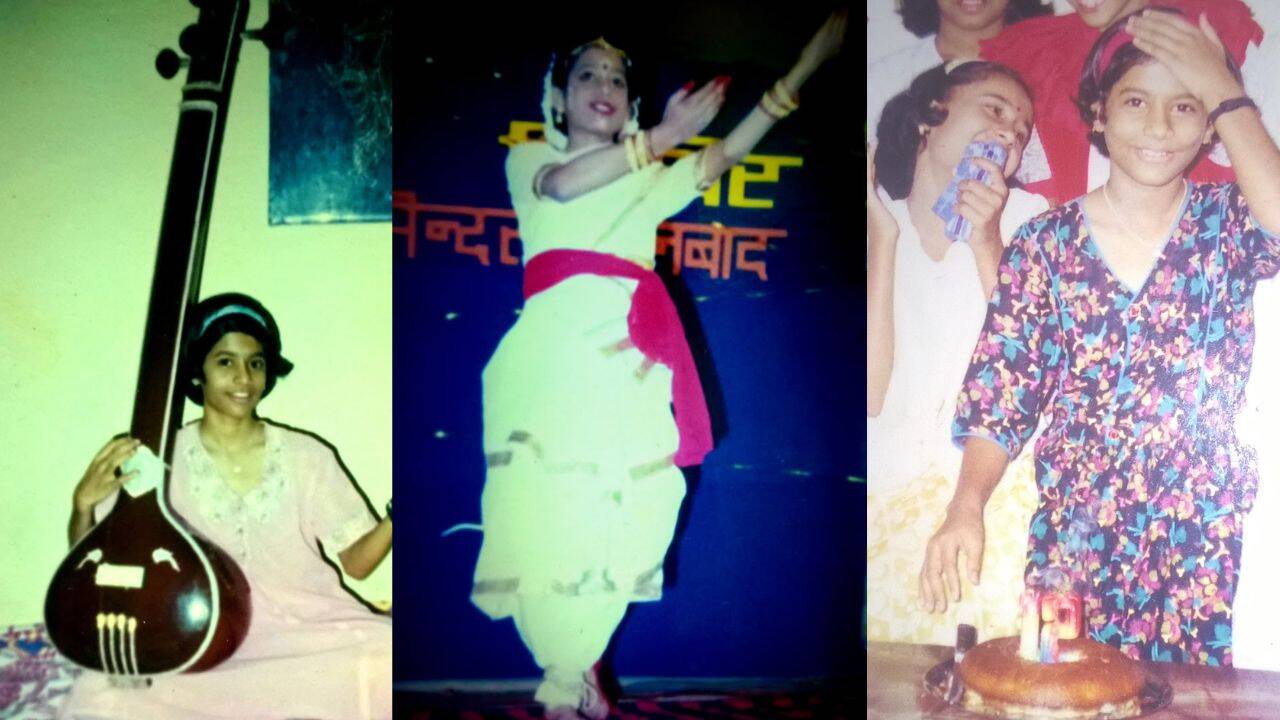
Sudipta’s childhood pics-Credit- Sudipta Mondol
Questions were often mistaken for defiance.“I was a singer, a dancer, a good student—but I was also a rebel,” Sudipta recalls with a smile.The turning point came when she was in Class 11. She had recently undergone a tonsil surgery. Her elder brother was studying in Pune, and for a couple of days her parents had travelled out of town, leaving her at home while she recovered. It was during those quiet days that she experienced something she had never known before—a crushing sense of loneliness.“I don’t know why, but an intense feeling of emptiness took over me. It slowly turned into depression. For the first time in my life, I attempted suicide by swallowing a handful of pills.” When her parents returned, Sudipta gathered the courage to tell them what had happened. Instead of asking what had driven her to such despair, their response reflected the social attitudes of the time. “They were angry with me,” she says. “They told me, ‘You’re never satisfied. One day you’ll long for your home.’ (‘Ghar ke liye tadpogi.’ )”

Image Credit: Sudipta Mondol
For Sudipta, what hurt most was not the reprimand but the absence of understanding. Her pain remained invisible, dismissed rather than acknowledged. In a society where mental health was rarely spoken about, emotional distress was often seen as weakness or ingratitude rather than a cry for help. That experience stayed with her, becoming one of the earliest moments that shaped her understanding of loneliness, identity and the urgent need to question the world around her. “The resentment my parents felt towards me ran so deep that when I secured admission to Banaras Hindu University, they seemed relieved rather than proud. It was as if they were finally happy that I would be out of their lives.What made it even harder to accept was that these were the same parents who had sold their land so that my brother could study in Pune. I can never forget the indifference—the almost palpable resentment—with which they sent me away to college. They rarely visited me, seldom called, and hardly seemed concerned about how I was coping or whether I needed anything.” After completing her studies, Sudipta moved to Delhi in search of a career. Having studied English Literature, she had imagined a future in writing or journalism. But life had other plans.“I initially worked as a journalist and earned around ₹8,000 a month. Then I got an opportunity to perform as a dancer in Zangoora at the Kingdom of Dreams. The salary was ₹30,000 a month—almost four times what I was earning as a journalist. It wasn’t a difficult decision. I had to survive.” By then, Sudipta says, her parents had completely absolved themselves of any responsibility towards her. They were angry with her for becoming a dancer instead of a scribe.
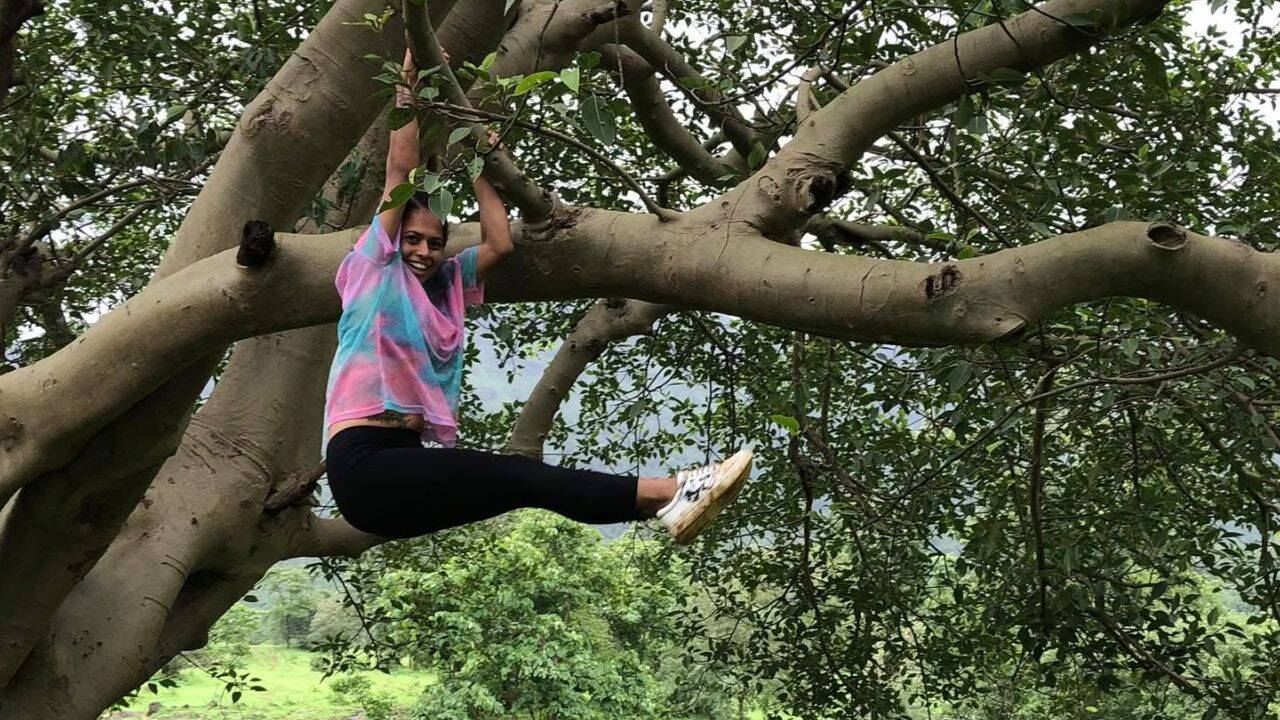
Image Credit: Sudipta Mondol
“I knew I was on my own. If I wanted a life, I had to build it myself.” When it came to marriage too, she did not have the emotional or practical support that many families provide. She eventually found her husband through a matrimonial website. “I organised my own wedding. I spent every rupee I had saved and didn’t take a single penny from my parents. Yet, they were still unhappy. They felt I was wasting money on celebrations like the sangeet. Nothing I did seemed to be enough.”There was no sense of joy or celebration that usually accompanies a daughter’s wedding. Instead, Sudipta remembers it as another reminder that acceptance and affection were things she had spent her entire life searching for. Rather than feeling supported, she felt she had to justify every decision she made—even on one of the most important days of her life. “Unfortunately, things began to fall apart soon after my marriage. The man I had married turned out to be abusive and an alcoholic.

Image Credit: Sudipta Mondol
He was a graduate of the National Institute of Fashion Technology (NIFT) and worked with a clothing brand. I had believed I was marrying someone creative, someone who would understand me. Instead, I found myself trapped in a violent relationship. “He would beat me day and night,” Sudipta says quietly. At the time, Sudipta was teaching Zumba at a gym, something she genuinely loved. But even that became a source of conflict. “My in-laws had a problem with me teaching fitness classes. They objected to everything I did. I was constantly being criticised, humiliated and physically abused.” The violence was relentless, but what hurt almost as much was the lack of emotional support from the people she hoped would stand by her.“Whenever I tried to share my pain with my family, they would simply say, ‘Apna dukh humein mat sunao.’ (Don’t tell us about your problems. )” Those words left scars of their own. “It was probably the darkest phase of my life. I looked old and haggard. I had no stamina, no confidence and no sense of who I was anymore. Mentally, I was completely shattered. Every day felt like a battle just to get through.”
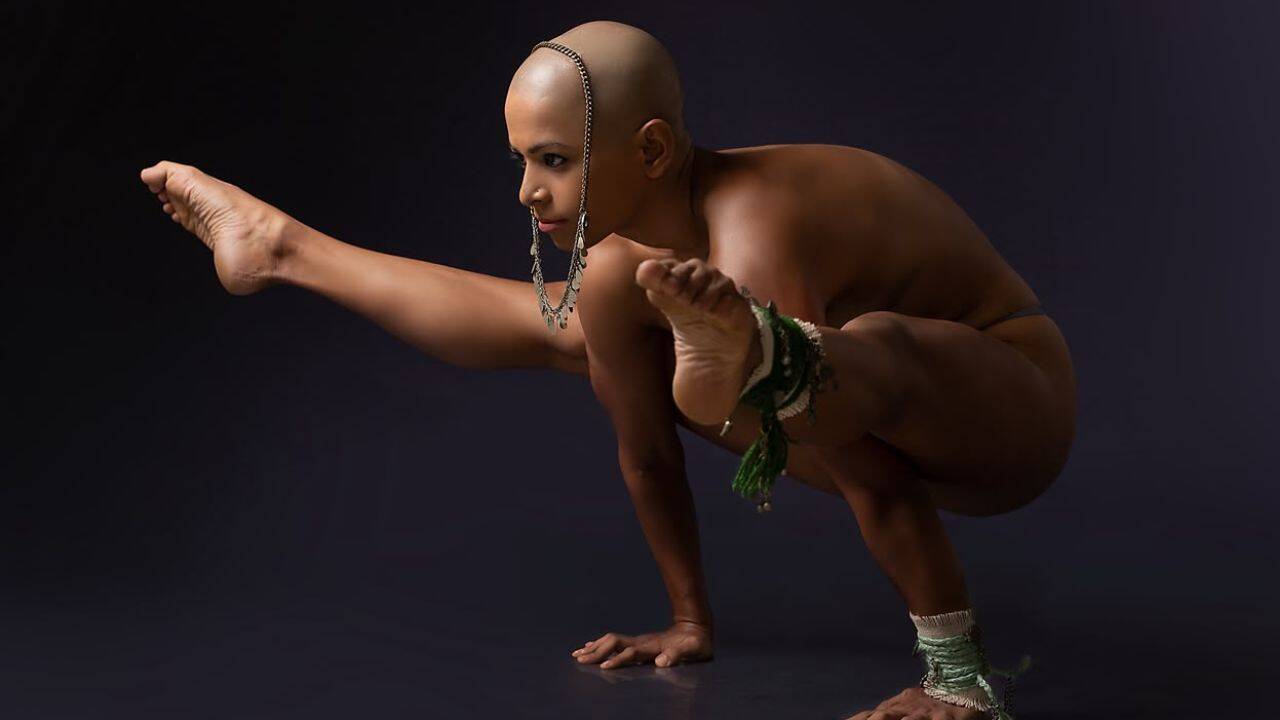
Image Credit: Sudipta Mondol
Eventually, Sudipta made the difficult decision to file for divorce. “It wasn’t easy. Even after I filed for divorce, my ex-husband and his family continued to harass me. The legal battle, the emotional exhaustion and the constant fear made life unbearable.” Her parents did extend some help from time to time, but it was sporadic and far from the emotional support she desperately needed. “They helped occasionally, but it wasn’t enough. I still felt like I was fighting alone.”After the divorce was finally over, Sudipta walked out with little more than the determination to rebuild her life from scratch. “I moved out and started again. I had lost a marriage, my confidence and my sense of security—but somewhere deep inside, I knew I hadn’t lost myself forever. I just had to find that person again.” “After the divorce, I rented a small room. Money was so tight that I couldn’t even afford to live alone. I found a roommate through Facebook so we could split the rent and manage our expenses.I started teaching Zumba again because that was the one skill I knew could help me earn a living. But I made a promise to myself: no matter how little I earned, I would always invest a part of it in learning something new. “Every time I saved a little money, I enrolled in another course. I learnt yoga, then Pilates, and kept adding new skills. I believed that education and learning were the only things nobody could take away from me.“ Years of emotional trauma had left her physically exhausted and mentally drained, but each new certification became a small step towards rebuilding her confidence. Finally, when she had managed to save enough money, Sudipta enrolled in a course in Parkour. “When I first discovered Parkour, something just clicked. I realised this wasn’t merely about jumping over walls or doing flips. It was about overcoming obstacles. And that’s something every one of us has in our lives.”For Sudipta, Parkour became much more than a sport or a fitness discipline.“I had spent my entire life trying to overcome barriers—within my family, in my marriage and within myself. Parkour gave me a language for everything I had lived through. Every obstacle became a reminder that there is always another way forward if you’re willing to keep moving.” Sudipta realized the potential in Pakour and became the only woman at 35 to learn this art. Parkour is a discipline of movement that teaches people to navigate obstacles efficiently using skills such as running, jumping, climbing, vaulting and balancing. Originating in France, it is built on the philosophy of adapting to challenges rather than avoiding them, while developing physical strength, mental resilience and self-confidence. More than an extreme sport, Parkour encourages practitioners to see every obstacle as an opportunity to grow—a philosophy that deeply resonated with Sudipta, who saw it as a reflection of her own journey of overcoming adversity and rebuilding her life.As Sudipta immersed herself in teaching, her classes began to grow. What started as a means of survival slowly turned into a calling. She realised that fitness was about much more than losing weight or building muscles—it had the power to heal people from within.“I saw people walking into my classes carrying anxiety, heartbreak, low confidence and even depression. As they became physically stronger, they also became mentally stronger. That’s when I realised I had found my purpose.”She worked relentlessly, adding new certifications, expanding her classes and building an online community. Gradually, her followers grew and, for the first time in years, life felt stable. She had found financial independence, a career she loved and a sense of peace.
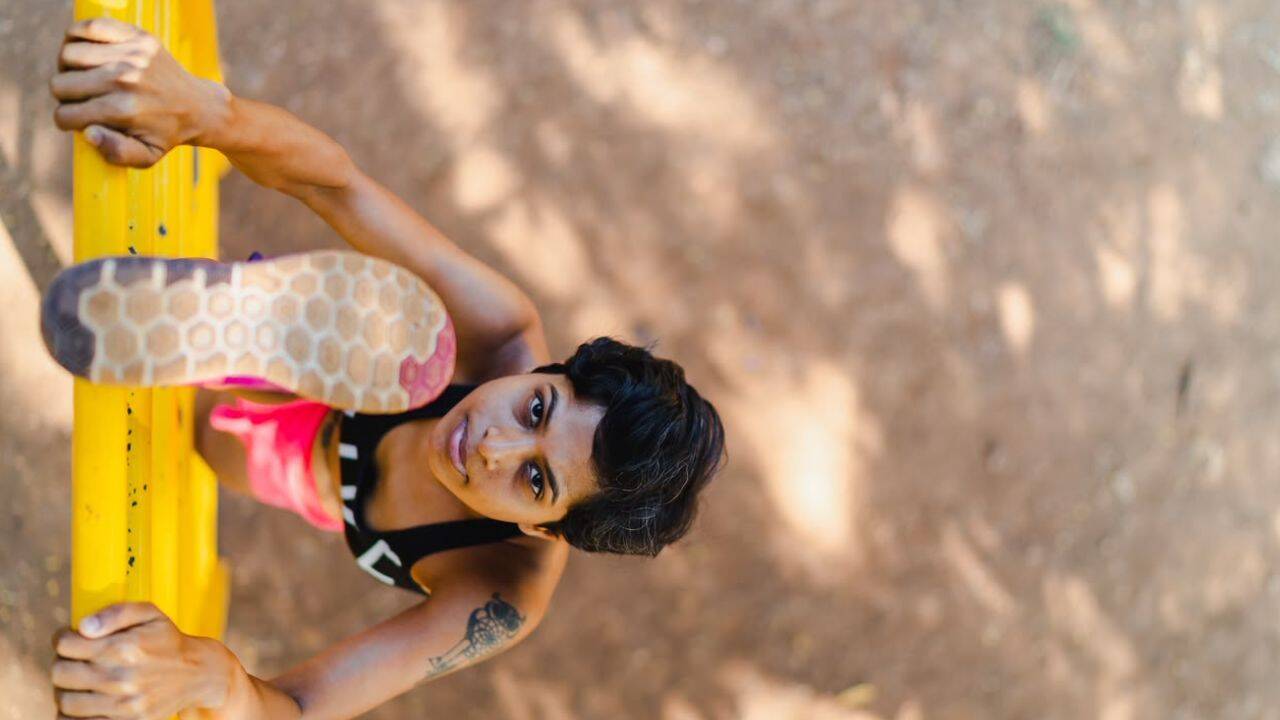
Image Credit: Sudipta Mondol
Then, just when life seemed to have settled, destiny presented her with an opportunity she had never imagined.“One day, I got a call from a casting director asking if I would like to participate in Naked and Afraid India. During my time in Mumbai, I had auditioned for advertisements and theatre to earn some extra money, and that’s probably where they had my contact details.” Her first reaction was disbelief.“I had absolutely no training in bushcraft or wilderness survival. The show required contestants to survive in the jungle with almost nothing—making clothes out of leaves, finding food and water, and living entirely off nature. Initially, I was told there would be proper training, but then I contracted dengue and ended up getting just one day of preparation.” Despite her fears, she accepted the challenge.
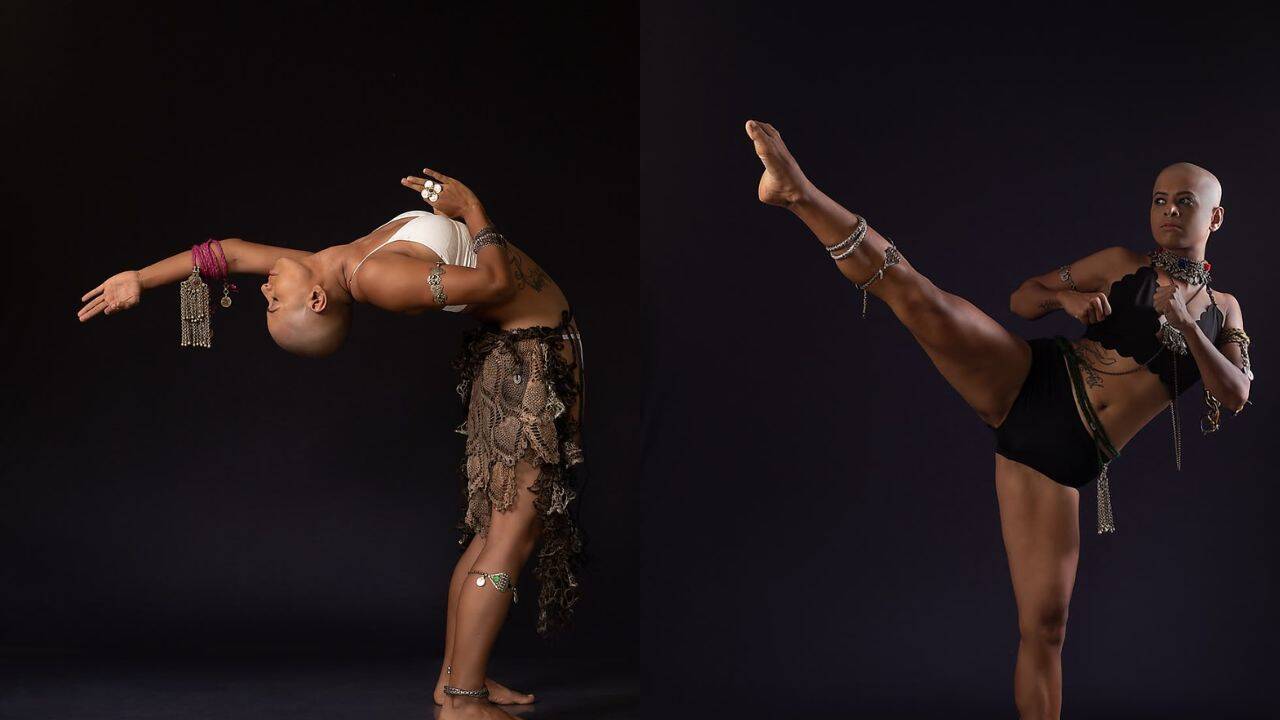
Image Credit: Sudipta Mondol
“The experience transformed me as a person. Out there, I wasn’t thinking about followers, appearances or success. I was wondering how I would stitch leaves together into clothes that wouldn’t fall apart, where my next meal would come from, and how I would get through another pitch-dark night without electricity or even the comfort of a roof over my head.” Living in the wilderness stripped life down to its essentials.“For the first time, I experienced life in its rawest form. It made me realise how many comforts we take for granted every single day. Survival wasn’t about being the strongest—it was about staying calm, adapting and refusing to give up.” The show made Sudipta a household name, but she says its greatest gift was not fame. “It taught me resilience in a completely different way. I had survived emotional battles all my life, but the jungle taught me that human beings are capable of far more than they believe. We are stronger than our circumstances.”Sudipta’s story is one of extraordinary grit, resilience and reinvention. From growing up feeling unwanted, surviving abuse and rebuilding herself from scratch, to discovering purpose through fitness and finding strength in the wilderness, her journey is a reminder that our greatest obstacles often become the very foundation of our greatest transformation.