
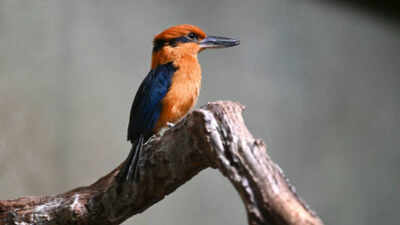
The Guam Kingfisher is known as the “sihek” in Chamorro, the native language of the Marianas Archipelago and is the rarest species at the Smithsonian Conservation Biology Institute in Front Royal, Virginia. The bird is classified by the IUCN as extinct in the wild, meaning a single one is not present outside the conservation centre. The tale is a classic example of the workings of nature’s ecosystem, which forms its own food cycle as it goes.An enemy aboardBrown tree snakes were accidentally brought to the island on military cargo ships and planes after World War II. Soon they wiped out 10 of the 12-13 species of birds on the island. Today, the only remaining forest birds on the island are the Micronesian starling and the Mariana swiftlet.The disappearance of birds from the ecosystem also left it broken. All the birds now missing from Guam served important roles in the ecosystem. The Guam kingfisher helped keep the insect and lizard populations in check. With birds removed, populations of insects, and particularly spiders, have increased to the point that people often carry walking sticks to clear the way of spider webs. Forests are also becoming thinner or disappearing, because there are few seed- or fruit-eating birds to consume and spread the seeds of the trees.
Restoring a bird population
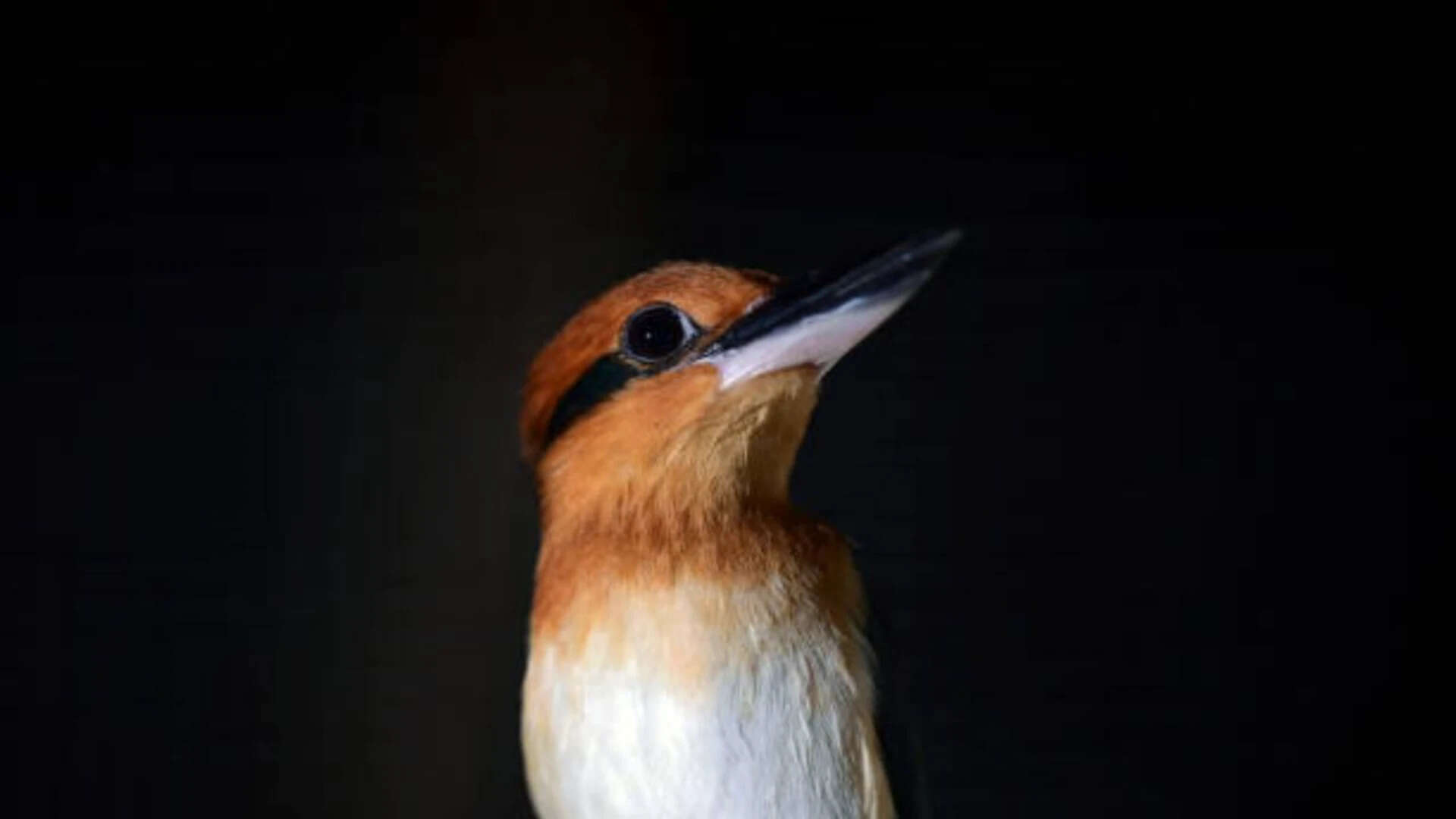
They are extremely wary of others, notoriously territorial and full of attitude.
Guam kingfishers are known as small but sassy birds. They are extremely wary of others, notoriously territorial and full of attitude. Females are a little larger than males and have white feathers covering their chests and abdomens, while males have orange feathers. Both sexes are strikingly beautiful with rings of blue around their orange heads, and bluish-green backs and wings that shimmer in the sunlight. Their breeding season lasts from December to August but it is extremely difficult to breed the birds due to their picky nature when it comes to mates. Moreover, they are cavity nesters, meaning they lay their eggs in the holes of the trees and not in nests. Creation of the cavity is also an important part of the courtship process.Interestingly, when birds are not compatible with each other, they tend to present threat postures towards the other including bowing the head, pointing the bill toward the sky, holding the wings open while perching, or sitting up straight with the belly pushed out (so that their body looks like a little pear). Sometimes they even engage in bill sparring, which is when birds lock bills and fight. When they are breeding well together, they will sit close to each other and make soft warbling vocalisation that slowly builds in volume. Breeding pairs make several cavities in different locations before choosing one in which to lay their eggs.Today, there are only 140 Gam kingfishers in the entire world, all in zoological facilities dedicated to bringing them back and returning them to the wild one day. They are all a part of an Association of Zoos and Aquariums Species Survival Plan (AZA SSP) which means they are all managed as a single population.Male kingfisher ‘Animu’ and female ‘Giha’ are the youngest breeding pair at SCBI. They accepted each other as mates after several introductions but later became inseparable. The centre is all set to introduce two more pairs this year, hoping that they mate and rear more chicks in the future to be able to save their own kind.