
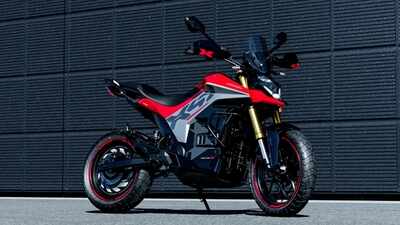
Ultraviolette Automotive recently closed its best quarter yet. Between April and June this year, the Bengaluru based electric motorcycle maker sold more than 1,500 vehicles, up from around 300 in the same quarter last year. That is growth of over 400 percent.The company’s co-founders, CEO Narayan Subramaniam and CTO Niraj Rajmohan, spoke to TOI Auto about the quarter and where the company is headed. Ultraviolette claims to have overtaken one rival premium motorcycle brand’s mid-size sales in India, and to be running neck and neck with another’s mid-size range, despite operating a fraction of their dealer networks. “Ultraviolette today has 40 stores. Even with that distribution, we have surpassed (that rival’s) sales,” Rajmohan said. On the other rival, the claim was more measured. “We are kind of in the same ballpark as (their) sales as well,” Subramaniam said. He added that the company sold about 650 vehicles in June alone from those 40 stores. It should be noted that these figures are Ultraviolette’s own reading of the market.The company’s X47 crossover motorcycle is central to this growth. Rajmohan said pricing the X47 close to comparable petrol bikes, rather than at a premium, was deliberate, and the company has logged over 40 percent quarter on quarter growth for four to five quarters running. Within Ultraviolette’s own lineup, the X47 makes up close to 85 percent of sales, with the F77 accounting for the rest.Growth is not confined to big cities. Subramaniam said bookings are split close to evenly between Tier 1 and Tier 2 cities, a trend he linked to the earlier rise of electric scooters building broader awareness. “The moment a scooter segment gets established, people start moving towards some more performance-oriented motorcycle segments,” he said. He also pointed to the company’s battery warranty, extendable up to eight years or eight lakh kms, as a factor winning over buyers outside metros.Speaking on Delhi’s EV Policy 2.0, approved by the Delhi cabinet and in effect from July 1, 2026. It will stop registration of new petrol and CNG two-wheelers in the capital from April 1, 2028, though vehicles already on the road are unaffected. Subramaniam called the policy an opportunity and said Ultraviolette was never planning to stay only a premium motorcycle maker. Two more products, the Tesseract and Shockwave, are coming at more accessible price points. “Our view always was electric at scale is not going to be scooter or motorcycles, it’s going to be both,” he said, adding a sales target of four to five lakh vehicles a year by 2030.Asked about established players entering the electric motorcycle segment, Subramaniam welcomed the competition. “It’s a sign that the segment is going to now start growing rapidly,” he said. Rajmohan compared it to how electric scooter penetration jumped from under 1 percent to near 15 percent once serious manufacturers entered that market.The founders also described widespread buyer confusion over the government’s ethanol blending push. Rajmohan added that this uncertainty, paradoxically, favours EVs, since electric offers “one side, which is very, very straightforward and easy purchase.”