
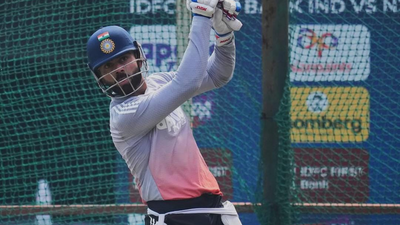
Virat Kohli isn’t just one of the greatest batsmen India has ever produced, he’s also the man who changed how an entire generation of cricketers think about fitness.Today, when you watch him field like a panther in the deep or chase down a target in the 48th over without breaking a sweat, it’s hard to believe there was a time when he looked completely different.Back in his early days, Kohli was a talented but slightly heavier player, someone who relied purely on natural skill. But somewhere around 2012, something shifted.He decided he wanted to be not just good, but the fittest cricketer on the planet. He cut out junk food, avoided sugar and processed meals, and based his entire lifestyle on discipline with clean eating, intense strength training, and a strict sleep routine.The transformation wasn’t overnight; it took years of consistency, and that’s what makes it inspiring rather than just impressive.This fitness overhaul didn’t just change his physique, it changed his game.Here are five lessons from that transformation that go well beyond cricket.
Sometimes you need to hit rock bottom before you change anything
Kohli didn’t ease into fitness, he was shocked into it. In an interview with Graham Bensinger he recalled coming home after the 2012 IPL season and looking at himself in disbelief, admitting he “hated” himself and wanted to change everything about his lifestyle.Before that, his diet was chaotic, he’s described polishing off an entire pack of toffees in a few days without a second thought. It wasn’t a coach or a doctor who forced the shift; it was Kohli catching a hard, honest look at himself.
Fitness isn’t a phase: It’s daily, unglamorous discipline
Once he decided to change, Kohli didn’t dabble. He started paying attention to details most players ignore, what he ate from morning to night, how much he trained, how his body actually responded to food and rest.He’s said that after 2012 he began “listening to his body” rather than just following instinct or habit.That single shift in mindset, from casual to obsessive attention, is what separated the pre-2012 Kohli from the one who went on to break fitness and fielding standards across the sport.
What you eat matters as much as how you train
Kohli’s diet went through its own evolution, first a low-carb, high-protein plan built around lean meats, then in 2018 a near-complete shift toward a plant-based, largely dairy-free way of eating, a change he’s linked to both performance and personal values.Along the way, he cut out processed sugar almost entirely, dropped gluten, and leaned on nut butter with gluten-free bread, green tea with lemon, and simple steamed or grilled meals instead of fried, spicy food.He is a big fan of green lemon tea as well which he often drinks.
Strength training reshaped his game, not just his physique
Kohli didn’t just want to look leaner; he wanted to move differently on the field.He’s spoken about how getting fitter and stronger made him a far quicker fielder, someone willing to take on any position instead of hiding in the deep.Weight training became a non-negotiable part of his week, alongside cardio, and it’s a habit he’s kept up well into his mid-30s, still posting workout clips from the gym during team breaks.
Self-awareness beats any fixed formula
Perhaps the biggest lesson isn’t the specific foods he cut or the workouts he added, it’s that Kohli kept adjusting.He’s talked about a fitness journey being about experimenting with vitamins, hydration, and protein until you land on what actually works for your own body, rather than copying someone else’s plan wholesale.That willingness to keep testing and refining, rather than settling on one rigid system, is arguably why his fitness has aged so well.Kohli’s story is less about a magic diet and more about the decision to actually pay attention to food, to the body, to habits that quietly build or quietly wreck an athlete’s career. That’s the part any of us can borrow, cricket bat or not.