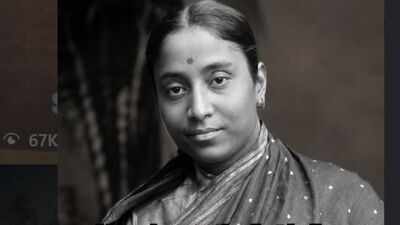
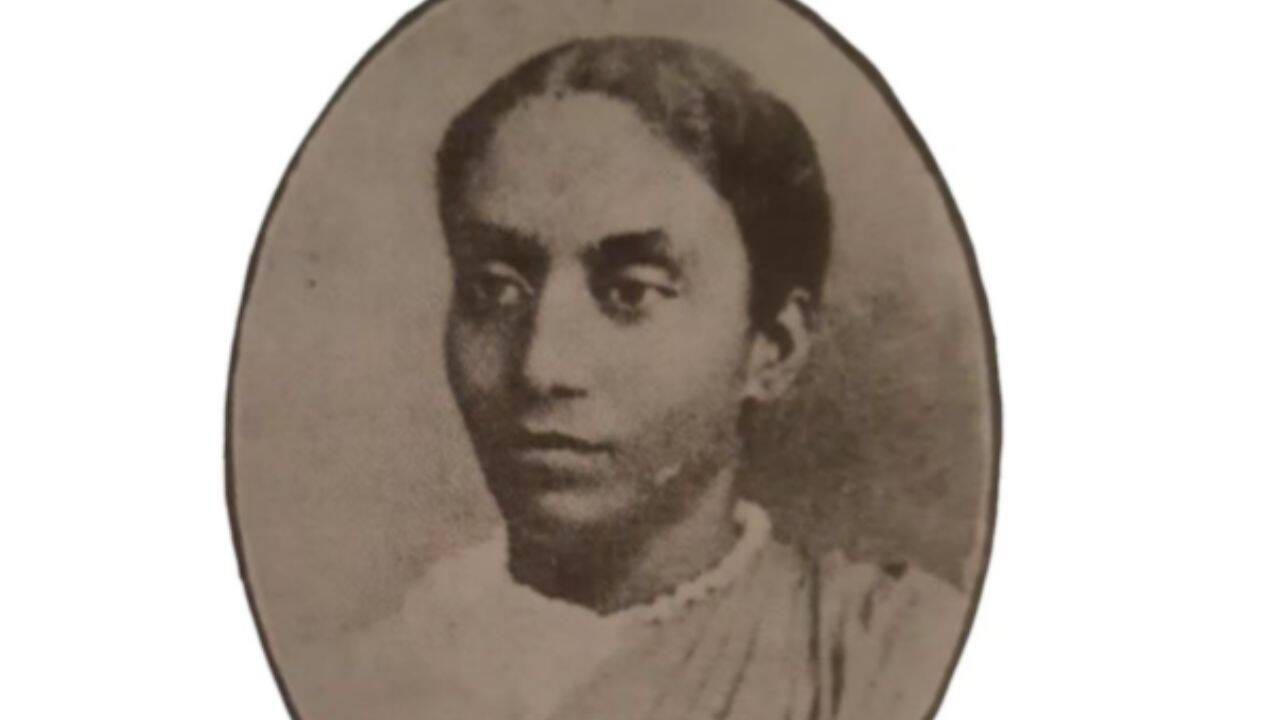
In the 1880s, a young woman named Rukhmabai Raut did something almost no Indian woman had dared to do before. She stood up in a British Indian court and refused to live with the husband she had been married to as a child. Her fight became one of the most talked-about court cases of her time, and it changed the course of women’s rights in India. Rukhmabai was born in Bombay in 1864. At just 11 years old, she was married off to Dadaji Bhikaji, a distant relative of her stepfather. This was common practice back then. But as was also customary, the young couple did not begin living together right away. Rukhmabai stayed in her parents’ home, grew up, and got an education, something rare for girls at that time. Her stepfather, Dr. Sakharam Arjun, was a progressive doctor who believed in educating women, and he encouraged her to study.
The Court Battle That Shook the Nation
13 Jul 2026 | 13:11
What’s one stereotype about women that you’re tired of hearing?
By the time Rukhmabai reached adulthood, she had no wish to live with Dadaji. She saw him as a stranger and disagreed with the marriage that had been forced on her as a child. In 1884, Dadaji decided to take legal action. He wanted the court to order his wife to move in with him, as was his right under the marriage. The case went to the Bombay High Court, and it turned into a sensation. The judge ruled that Rukhmabai had two options: live with her husband or go to prison for six months. Rukhmabai chose prison. She said she would rather face jail than be forced into a marriage she never agreed to as a child.Her bold stand made headlines not just in India but around the world. Newspapers in Britain wrote about her case. Even the writer Rudyard Kipling reported on the trial. The case sparked heated debate across the country. Some reformers supported Rukhmabai and used her case to push for laws against child marriage. Others, including well-known nationalist leaders, felt her stand went against Hindu tradition and invited too much interference from British rulers.
Freedom, Finally
The legal fight dragged on for years, with the case going back and forth in the courts. Queen Victoria, who was aware of the case, became involved as public pressure grew in Rukhmabai’s favor. In 1888, a settlement was finally reached. Rukhmabai agreed to pay her husband Dadaji a sum of money, and in return, he gave up his legal claim over her. He soon remarried, and Rukhmabai was free. Although this was technically a settlement rather than a court-ordered divorce, it is widely remembered as India’s first divorce case involving a Hindu woman. It was a symbolic and historic victory, won not through anger but through quiet, determined resistance.
From Child Bride to Doctor
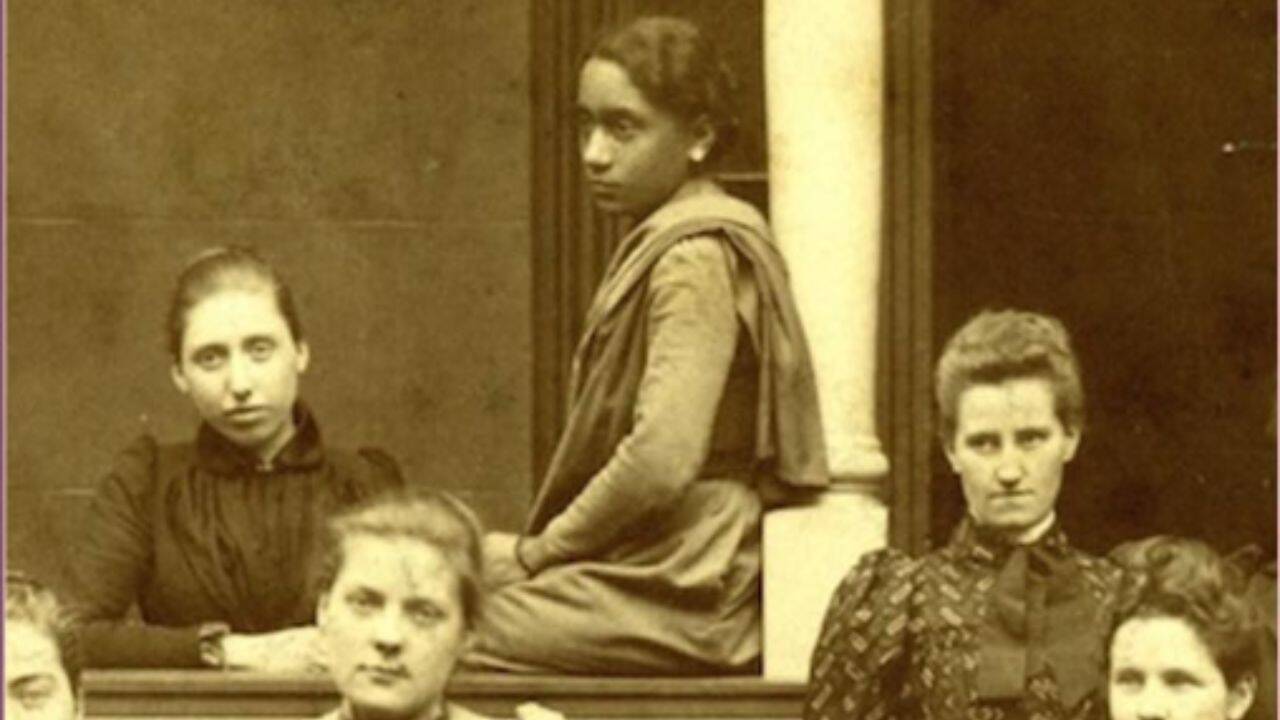
Rukhmabai did not stop there. Once free, she set her sights on a dream that seemed impossible for an Indian woman at the time: becoming a doctor. She traveled to England and enrolled at the London School of Medicine for Women. In 1894, she completed her medical degree, becoming one of the earliest Indian women to qualify as a doctor in Western medicine. She returned to India and spent the next several decades working as a physician, eventually serving as the head of a women’s hospital in Surat for many years. She treated countless women patients and remained a strong voice for women’s education and rights throughout her life.
Why Her Story Still Matters
Rukhmabai’s courage helped push India toward the Age of Consent Act of 1891, an early but important step in the long fight against child marriage. Her life is a powerful reminder that one person’s refusal to accept an unjust situation can spark change that lasts for generations. From an 11-year-old bride who had no say in her own marriage, to a woman who chose prison over submission, to one of India’s first women doctors, Rukhmabai Raut’s journey remains a remarkable story of courage, education, and quiet rebellion.