
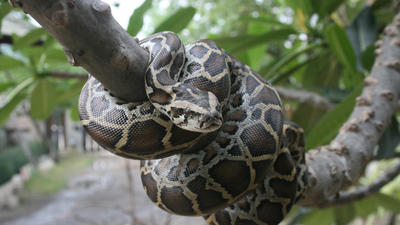
Tom Rahill, the 69-year-old veteran hunter, won this year’s Florida Python Challenge by catching 96 pythons individually, Fox News reported.For over 10 days, 907 participants combed the Everglades and pulled out 280 invasive Burmese pythons this year.Just months earlier, in January, contracted hunter Carl Jackson and his family wrestled a 202-pound, nearly 17-foot female python out of the Big Cypress National Preserve, the second-heaviest ever recorded in the state.But surprisingly, none of this is new territory for Florida. Burmese pythons trace back to the exotic pet trade of the 1970s and ’80s, when the snakes were imported as pets and either escaped or were deliberately released once they outgrew their owners’ patience.A 1992 hurricane is widely believed to have destroyed a python breeding facility near the Everglades, scattering more snakes into the wild at once. Once loose, they found a landscape that well suited their living conditions, which was a warm, swampy, prey-rich environment climatically similar to their native Southeast Asian wetlands, with no natural predators to keep their numbers in check.That same combination- subtropical warmth, abundant water, and few checks on non-native species- is exactly why pythons are not the only invasive species in Florida.Several other invasive animals have carved out their own footholds across the state, and each is putting different areas of Florida’s native wildlife under pressure.Here are some invasive species living in Florida:
Argentine black and white tegus
These large, intelligent lizards, which are native to South America, have established breeding populations across South and Central Florida. Tegus eat an unusually broad diet, including bird eggs, insects, small mammals, and other reptiles, which makes them especially damaging to ground-nesting species like gopher tortoises and burrowing owls.
Green iguanas
Originally from Central and South America, green iguanas escaped or were released through the pet trade and are now common along canals, seawalls, and urban green spaces in South Florida. Beyond outcompeting native species for food and shelter, their extensive burrowing damages seawalls, sidewalks, and levees. They were added to Florida’s Dirty Dozen list of worst invasive species in early 2026.
Lionfish
Lionfish
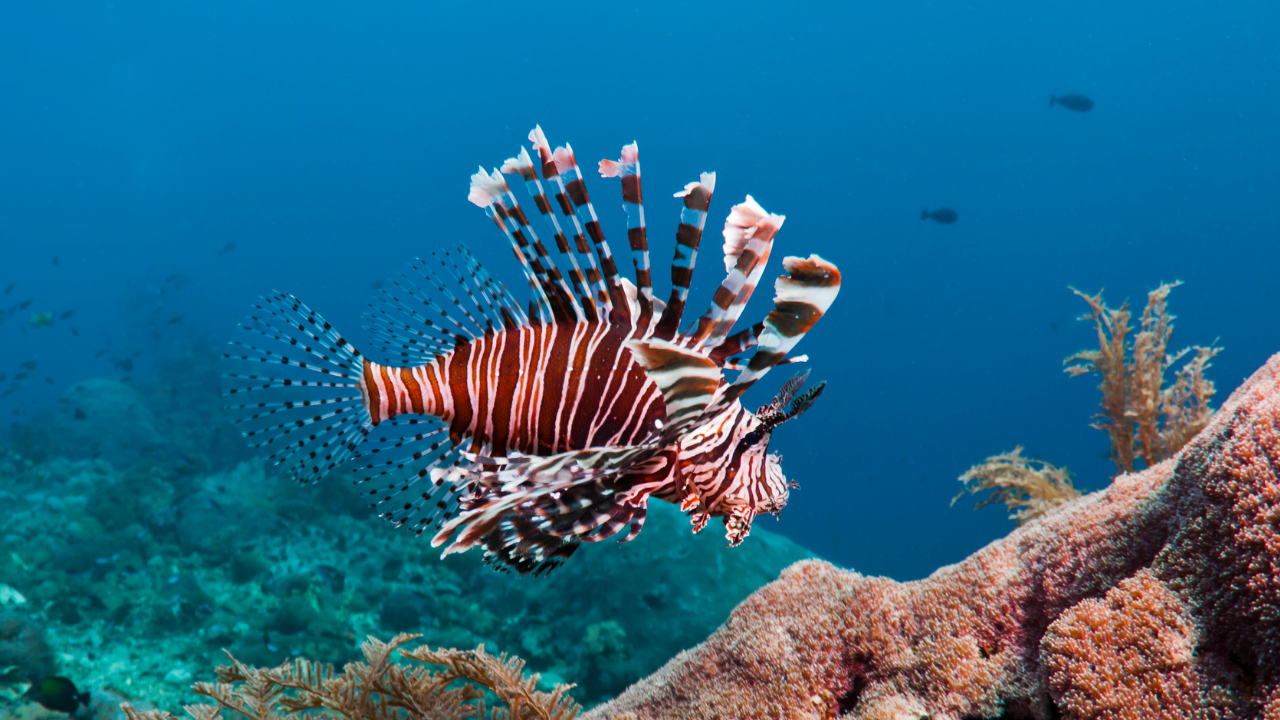
First spotted off Florida in the 1980s, after aquarium releases, Pacific lionfish have since spread through the Caribbean and into the Gulf of Mexico. With no natural predators in the Atlantic, their populations exploded, and they now outcompete native reef fish and reduce biodiversity wherever they establish.
Feral hogs
Feral hogs are found in nearly every corner of the state, from Everglades wetlands to Panhandle forests. Their burrowing behaviour damages soil, native vegetation, and crops, making them one of Florida’s most agriculturally destructive invasive species, along with their ecological impact on wetlands.
Cane toads
Cane toads
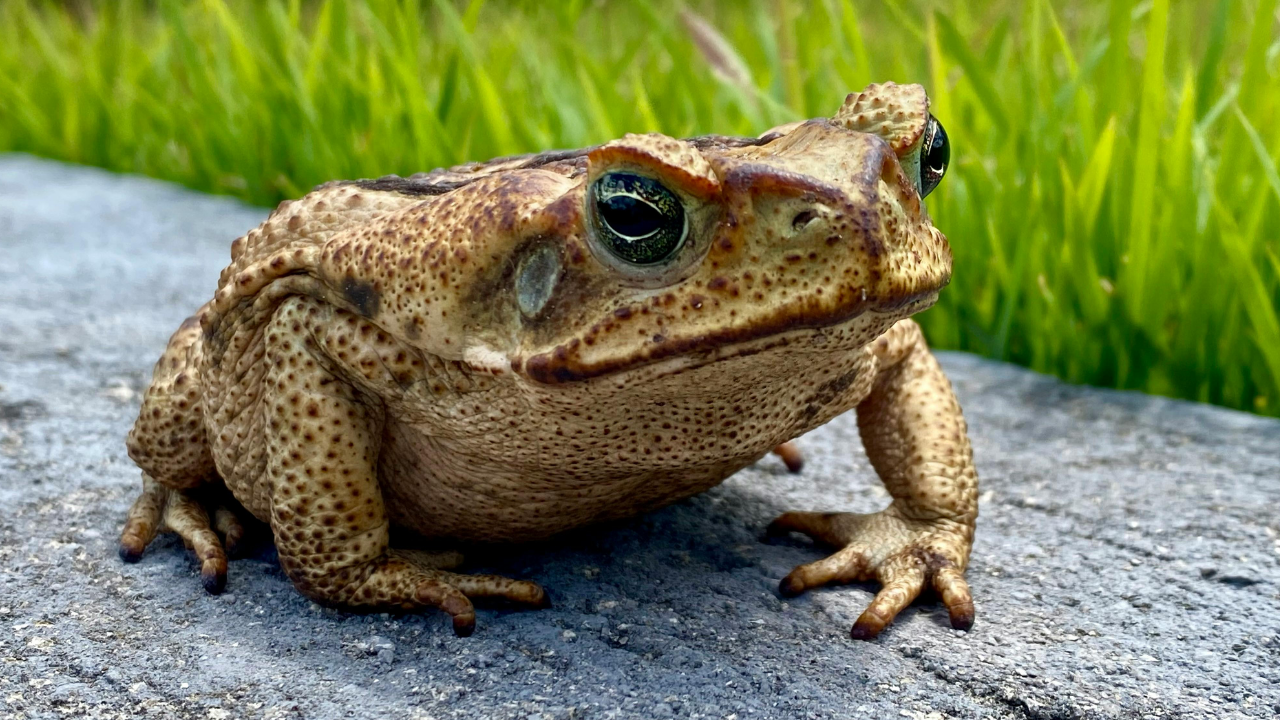
Introduced in the 1930s and ’40s to control agricultural pests in sugar cane fields, cane toads have since spread well beyond their intended role. They secrete a toxin dangerous enough to sicken or kill dogs that bite them, and they outcompete and prey on native frogs, insects, and small fish.