In 1964, Elizabeth Hird and her husband, Basil Rauch, purchased Outer Island as a summer retreat in Connecticut’s Thimble Islands. More than three decades later, Hird made a decision that transformed the island’s future: in 1995, she donated it to the U.S. Fish and Wildlife Service in memory of her late husband. According to the Outer Island website’s history, her goal was to protect the island’s natural resources while ensuring it could continue to support education and research.
From summer retreat to protected island
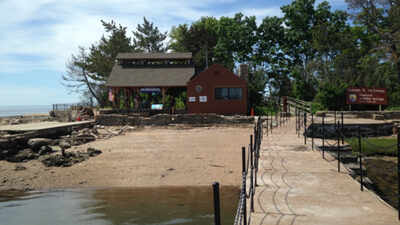
Outer Island lies off the coast of Branford, Connecticut, and is the southernmost of the Thimble Islands. The five-acre island is characterised by granite outcroppings, boulder and cobble beaches, intertidal areas and small salt marshes. Today, it forms part of the Stewart B. McKinney National Wildlife Refuge.The island’s history stretches back much further than Hird’s ownership. According to the Outer Island history, glaciers helped shape its landscape thousands of years ago, leaving exposed granite bedrock and large boulders behind. The Mattabesic Native Americans who lived in the Stony Creek area also used the Thimble Islands during the summer and called Outer Island “Two Tree Island,” referring to two prominent pine trees that once stood there.In 1889, Addison Verrill, Yale’s first professor of zoology, purchased the island and spent summers there with his family. A later fire destroyed the house, but its large stone fireplace and chimney survived and were incorporated into the present building.
Hird’s conservation vision
Elizabeth Hird and Basil Rauch became the island’s owners in 1964. Rauch was a professor of history at Columbia University, while Hird was an architect, artist and active conservationist. According to The Outer Island history, the couple used the property as a summer retreat before Hird ultimately decided that its future should extend beyond private ownership.In 1995, after Rauch’s death, Hird donated Outer Island to the U.S. Fish and Wildlife Service. The U.S. Fish and Wildlife Service confirms that the island had been privately owned until 1995, when Hird donated it to the refuge to protect its natural resources and provide access for education and research.The donation was more than a transfer of property. It reflected Hird’s desire to preserve a place where people could study the natural environment and learn directly from it. The Outer Island history notes that she continued to use the island as her summer home until her death in 2002, at age 87.
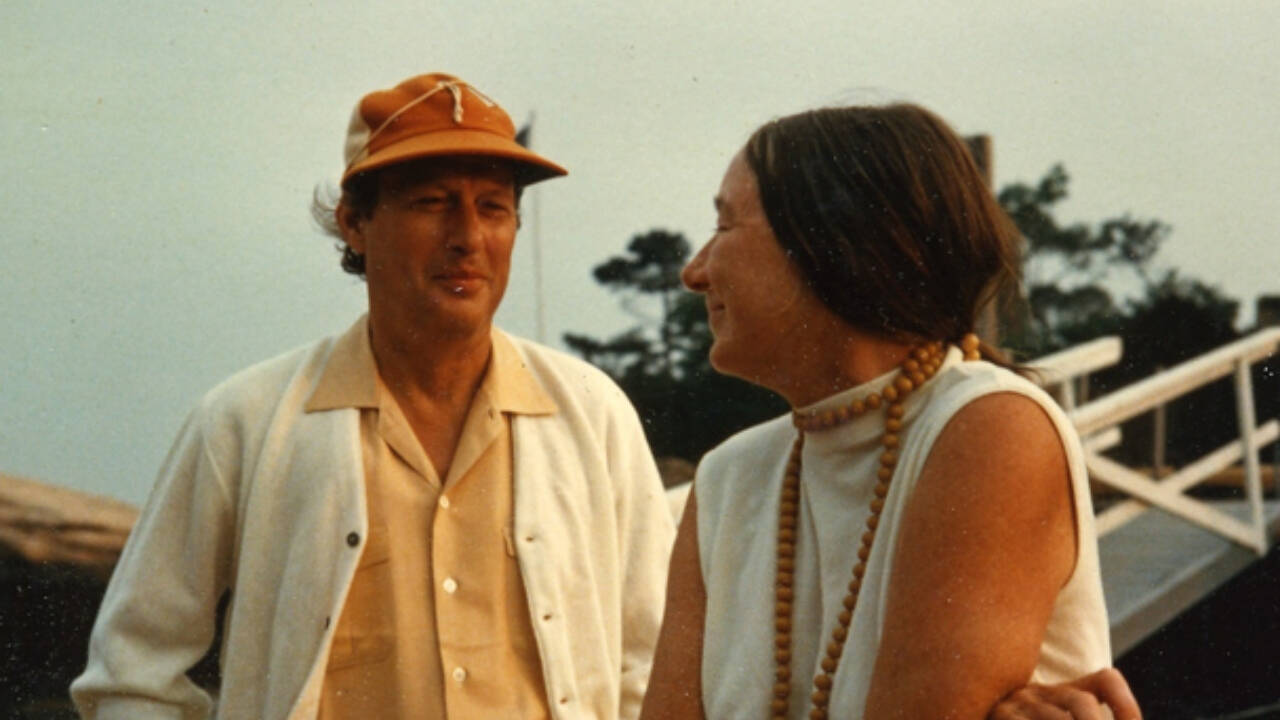
Elizabeth Hird and her husband Basil Rauch (Image Credit: outerisland.org)
A living classroom
Hird’s vision continues through educational and research programs conducted on the island. According to The U.S. Fish and Wildlife Service, Outer Island provides habitat for migratory birds, marine life and serves as an important pollinator stopover site. Its varied landscape also makes it useful for exploring coastal and intertidal ecosystems.The island’s education facilities include a laboratory where students can examine organisms and test water quality. A pavilion also provides an outdoor space for visitors and student groups. According to the Outer Island history, the U.S. Fish and Wildlife Service works with the Connecticut State University System and Friends of Outer Island on research and education programs.That partnership gives students opportunities to experience the Long Island Sound environment directly rather than studying it only in classrooms. Guided visits can help educators connect lessons about ecology, geology and marine life with the landscape around them.
A legacy that continues
Hird’s donation changed Outer Island from a privately owned summer retreat into a protected place with a broader public purpose. The U.S. Fish and Wildlife Service lists the 1995 donation as an important milestone in the history of the Stewart B. McKinney National Wildlife Refuge, noting that Hird wanted the island to be used for education and Long Island Sound research.Today, Outer Island remains both a wildlife habitat and an outdoor learning environment. Its protected shoreline, intertidal areas and small salt marshes provide space for wildlife, while its educational facilities allow students, researchers and visitors to explore the natural systems that surround the island.What began in 1964 as a couple’s summer retreat ultimately became a lasting conservation legacy. By donating Outer Island to the U.S. Fish and Wildlife Service in memory of her husband, Elizabeth Hird ensured that the island would remain protected while continuing to teach future generations about Connecticut’s coastal environment.