Aryna Sabalenka has never had trouble speaking her mind. That quality has made her compelling to watch and, at times, costly off the court. After losing the 2025 French Open final to Coco Gauff, Sabalenka walked into the press room and said things she would later regret. Now, in a candid TIME magazine cover story, she explains what that controversy actually taught her about managing losses, trusting herself, and knowing when to stay quiet.
What did Aryna Sabalenka say about Coco Gauff after the 2025 French Open?
The match itself was already a bruising one. Sabalenka lost 6-7 (5-7), 6-2, 6-4 and was visibly frustrated. But what followed in the press room drew far more attention than the scoreline.She told reporters it was “honestly the worst tennis I’ve played in I don’t know how many months,” then went further by suggesting Gauff had not won so much as Sabalenka had gifted the match away. She implied Iga Swiatek would have converted those chances, and claimed some balls were “magically appearing” on the court. The remarks landed exactly as badly as they sound.She added,”I think she won the match not because she played incredibly, just because I made all of those mistakes from, if you look from the outside, easy balls.”Gauff pushed back publicly. Sabalenka apologized. The two eventually filmed a TikTok together, which helped close the chapter publicly if not entirely privately. But Sabalenka knew the damage had been done, and more importantly, she knew why it happened.“Just shut up and wait a little bit longer before you go to the press-conference room,” she told TIME. “Speak with your team before you actually decide to say something. Every time I lose a big match, there’s a room full of people waiting for the moment. No. Not gonna happen.”It reads like a rule she wrote for herself on the spot and intends to keep.
Why did Aryna Sabalenka stop seeing her sports psychologist ?
Around the same time, Sabalenka made another decision that surprised people. She stepped away from her sports psychologist. Not because things were going well, but because she felt she had started leaning on the sessions as a crutch rather than genuinely growing through them.“I feel like at some point I started to overthink about psychology,” she said. “I would rely a lot on that and forget about focusing on my tennis. So I decided to step away from it to learn on my own how to control myself. No one else understands myself better than me.”
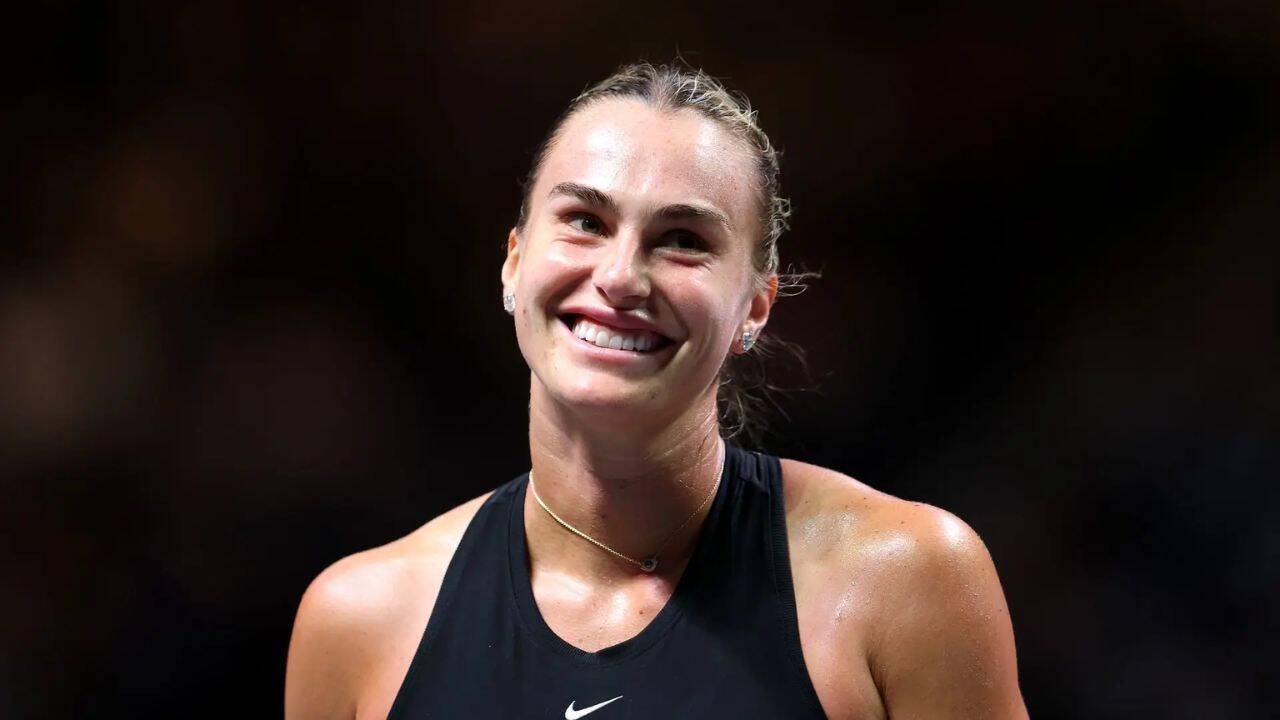
Aryna Sabalenka (Getty Images)
It is the kind of self-awareness that does not come easily, and it clearly cost her something to admit. But the experiment had a limit. After a quarterfinal exit at the 2026 French Open, she reached back out to her psychologist ahead of Wimbledon. She was specific about why she returned to the same person rather than finding someone new. “You have to go through the whole story, you have to tell your whole story, and make the other person understand you deeper,” she said.That practicality tells you a lot about where her head is now. She is not chasing breakthroughs, she is managing herself match by match.Sabalenka enters the back half of 2026 having won three titles, including the Sunshine Double in March. She suffered a Round of 16 defeat to Ekaterina Alexandrova in Toronto and now shifts focus to Cincinnati before defending her US Open title.