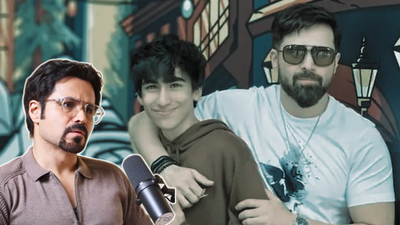
Emraan Hashmi may be enjoying the box-office success of his film Awarapan 2 today, but there was a time when nothing about his professional success mattered. In 2014, when his son Ayaan was just three years old, one outing changed the family’s life for years.Speaking to Ranveer Allahabadia on The Ranveer Show, Emraan once recalled how his son’s cancer diagnosis became the most difficult phase of his life. “My son became ill in January 2014. I don’t think any professional thing even comes close to that,” Emraan said, describing it as a phase he still finds difficult to put into words. “It was not just that particular moment. It lasted for five years. I think such experiences give you a sense of strength and purpose. I learned a lot from that phase,” he added.
28 Jul 2026 | 16:22
How do you teach children about money and financial responsibility?
“He had blood in his urine”
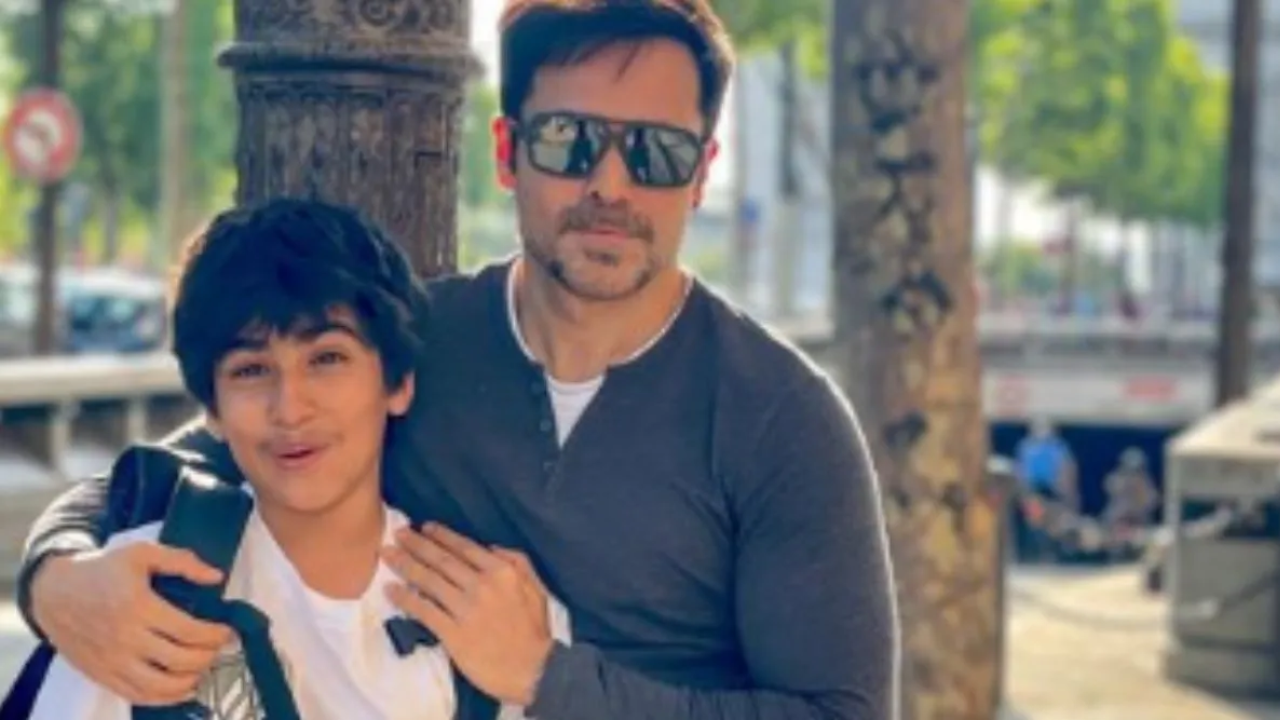
At the time, Ayaan was only three years and 11 months old.
The diagnosis came without warning. Emraan recalled that on January 13, he and his family had gone out for brunch. He was having pizza with his young son when Ayaan suddenly asked his mother to take him to the bathroom. “He had blood in his urine. That was the first symptom,” Emraan recalled.“And from there, within just three hours, we were sitting in a doctor’s clinic, and the doctor was telling us, ‘Your son has cancer and you have to get him operated on tomorrow, and after that he will need chemotherapy.,’” he added.“My whole world flipped in the matter of 12 hours,” the actor said.At the time, Ayaan was only three years and 11 months old. He was diagnosed with Wilms tumour, a type of kidney cancer that primarily affects young children. Emraan said the family had not noticed any warning signs before that day and had never expected to face something like this.
“It was like hitting a wall”
Emraan said that time was very difficult for him and like hitting a wall. “I had been working hard since 2003. I was actually reaping whatever I had sown before that. And then suddenly this happened in 2014. It was not just a speed breaker. It was like hitting a wall. I remember that on the first day when we got the news, we could not even cry in front of our son,” said Emraan.
When parents have to be strong even when they are scared
For Emraan and his wife, the first challenge was not only understanding the diagnosis but also protecting their child from their own fear. He remembered that on the first day, the family went into another room to cry because they did not want Ayaan to see them breaking down.“We did not want to show him that we were breaking down. We did not want that to affect his mental state,” he said. “There was one particular week, actually, when we both cried. After that, there was a kind of facade that we had to maintain for our son,” added Emraan.That became an important part of the family’s approach during treatment. Ayaan had to undergo chemotherapy and surgery during the first six months. But even after the main treatment ended, the family had to live with the possibility that the cancer could return.For the next few years, Ayaan had to undergo tests every three months. “We had to give him a sense of confidence that we had got this, that everything would be okay,” Emraan said.
“We had to give him a sense of hope”
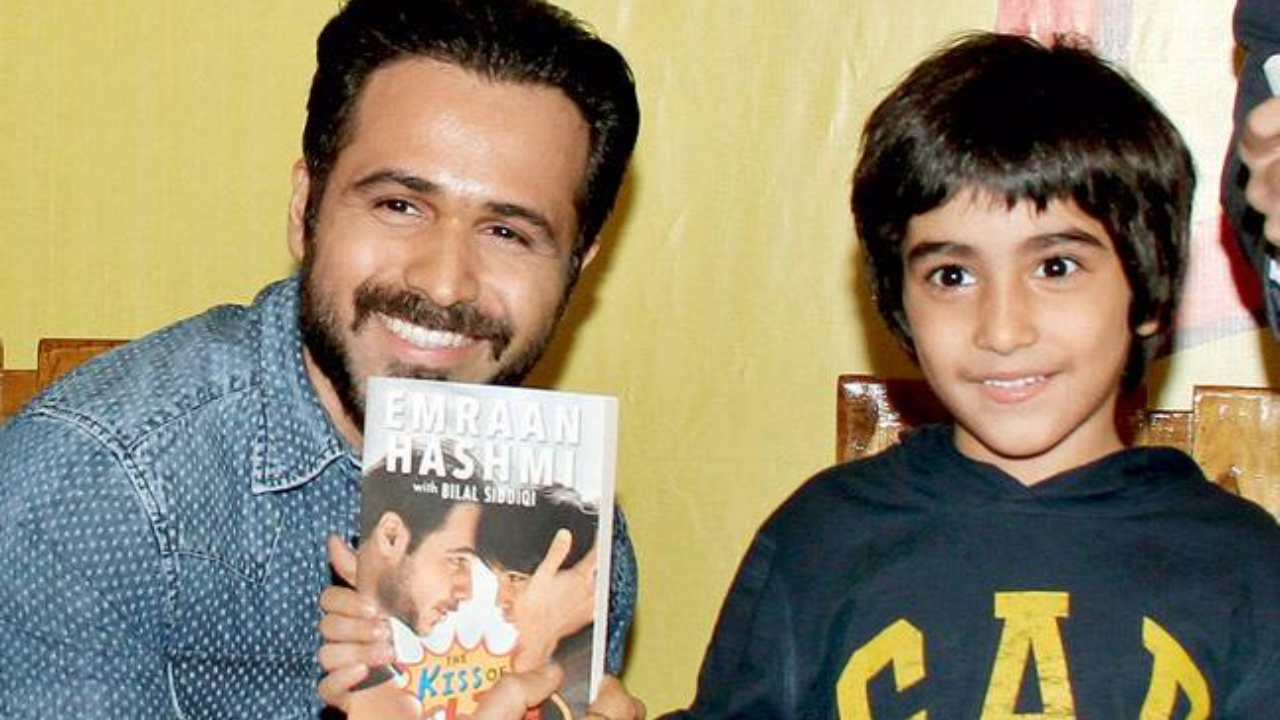
Emraan Hashmi co-authored the autobiographical book The Kiss of Life: How a Superhero and My Son Defeated Cancer with Bilal Siddiqi.
Emraan said the experience also changed the way he approached his son’s illness. He began reading extensively about cancer and Ayaan’s specific condition. “I started reading everything about cancer,” he said, adding that he read so much that doctors would sometimes ask him how he knew so much about the disease.That knowledge eventually helped him write a book about the experience. The book is called “The Kiss of Life: How a Superhero and My Son Defeated Cancer.” His intention, he said, was not simply to document what his family had gone through, but to help other parents and people fighting cancer.At the same time, he and his family tried to hold on to a sense of positivity. “We told ourselves that, as parents, we would do everything within our ability,” he recalled.
The five years after treatment were not easy either
The first six months involved the main treatment. But the family’s anxiety did not disappear when the treatment ended. There were years of follow-up tests because of the possibility of recurrence. Emraan said that Ayaan probably does not remember much of the period because he was so young, although he believes some part of the experience may remain in his subconscious.Just when the family began to feel that they were moving past the ordeal, another difficult period followed.Emraan’s mother was diagnosed with cancer and passed away around six months later. He had also lost his grandmother during those years. “So much happened during those six or seven years. And that taught me a lot. It made me tougher,” he said.Looking back, Emraan described his son’s illness as a period that gave him a different understanding of life, strength and purpose. “You always find a sense of hope, and you want to hold on to that sense of hope when things are at their worst,” he said.
What parents can learn from Emraan’s experience
A child’s serious illness can leave parents feeling helpless. There is no simple formula for handling such a situation, but Emraan’s experience points to a few practical lessons that can help parents navigate a frightening diagnosis.Let children see that emotions are normalEmraan and his family chose not to break down in front of their young son because they wanted to protect him. But parents should also remember that children do not need perfectly calm parents all the time. As children grow older, it can help to explain that feeling scared, sad or worried is normal and that adults can ask for help too.Give children something to look forward toWhen treatment stretches over months or years, a child’s entire identity can begin to revolve around hospital visits. Parents can deliberately protect small pieces of normal childhood: story time, favourite games, birthdays, family rituals or simply a regular conversation about something unrelated to illness.Parents need support tooThere is another important lesson in Emraan’s story. Parents can become so focused on keeping a sick child strong that they forget they are also going through a crisis. Having another trusted adult to talk to, taking turns during hospital visits, asking family members for practical help and speaking to a counsellor when needed are not signs of weakness.For Emraan, the experience began with one ordinary family lunch and a symptom that nobody expected. It changed his family’s life for years. But his biggest lesson from that period was also one that many parents can relate to: when a child’s world suddenly becomes uncertain, parents may not have all the answers, but being informed, staying present and giving the child hope can become a powerful form of support.