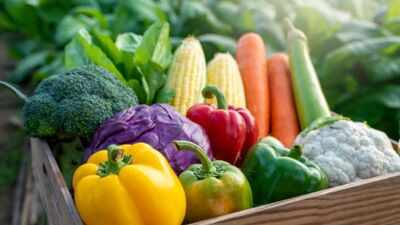
An average person in US eats about 6 to 8.5 pounds of fresh broccoli annually. Nationally, the country produces more than 500,000 tons of the vegetable per year, with California growing roughly 90% of the total crop. Broccoli is the most consumed vegetable in the country and obviously, most loved. However, as per a recent study published in Agribusiness by researchers from Cornell University, the country’s supply of broccoli is vulnerable to the risk of drought in California.In the study, the researchers compiled 20 years of shipping records and federal drought data to build a model that analysed 14 potential sources of broccoli, including California, Arizona, Mexico, Canada and 10 eastern states. The team examined three scenarios: no drought, moderate drought, and severe drought to find that a severe drought in California could cause broccoli shipments to fall by 20.3%, while a moderate drought could lead to a 9% drop in shipments. This vulnerability is especially significant since the East Coast is home to far more people than the West Coast: about 128 million compared with 51.6 million, according to the 2025 U.S. Census Bureau estimates. This means much of the country’s broccoli must travel long distances from where it’s grown to where it’s eaten.According to their research, water droughts in California have reduced broccoli crop yields and the amount of planted acreage since 2000. “California remains central to the nation’s fresh fruit and vegetable supply, including broccoli,” Cornell researcher Bingyan Dai told Fox News Digital. “At the same time, drought events in California have become more frequent in recent years, affecting fresh broccoli production and reliable access for American consumers.”
What to do now?
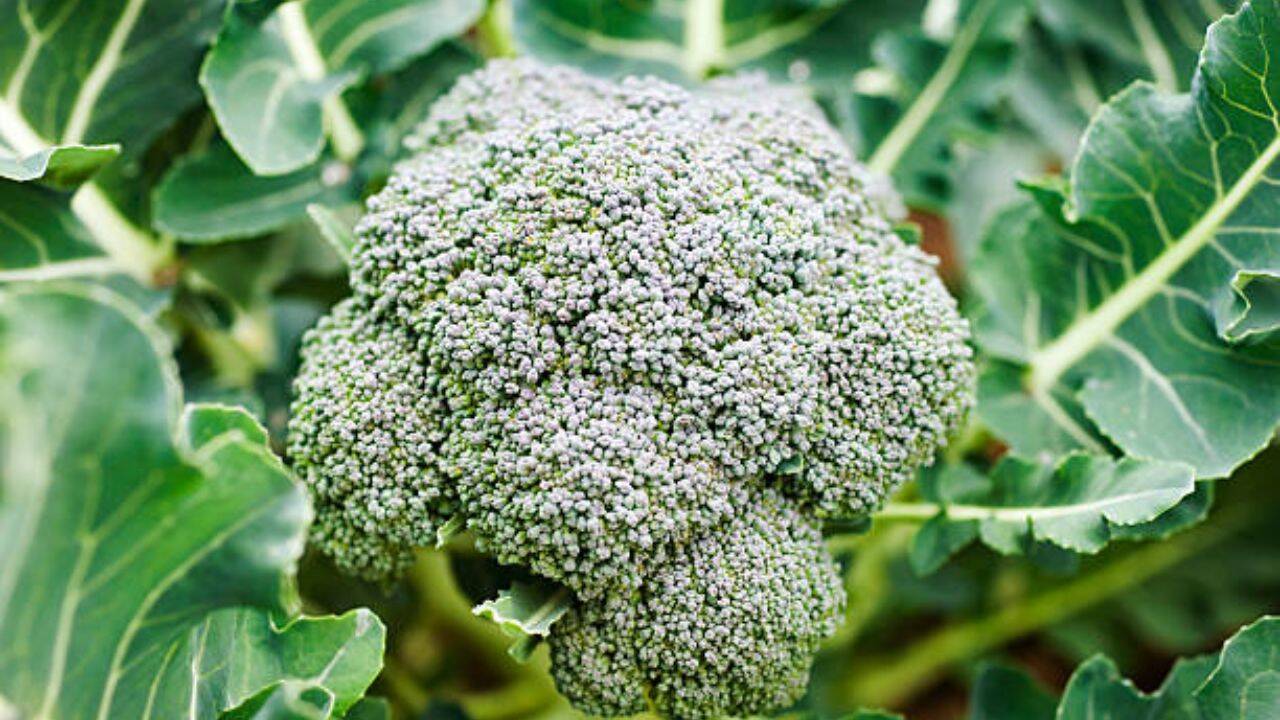
Researchers suggest that growing more broccoli on the country’s east coast could reduce the risk of a breakdown in broccoli supply.
Well, researchers suggest that growing more broccoli on the country’s east coast could reduce the risk of a breakdown in broccoli supply. Their model included Maine, New York, New Jersey, Pennsylvania, Virginia, Maryland, North Carolina, South Carolina, Georgia, and Florida. The findings revealed that expanding broccoli production to eastern states could reduce supply chain costs by around $10 million under a severe drought scenario.There is a trade-off: broccoli is more expensive to produce in eastern states than in California. The crop also relies heavily on hand harvesting, contributing to high labour costs throughout the industry. Under the model’s severe drought scenario, shifting production east increased production costs by as much as 2.66% in autumn, the largest seasonal increase. But those higher production costs could be offset by savings elsewhere in the supply chain. Moreover, shifting east would also reduce the “food miles” or the distance the food travels from the farms to the grocery stores.In severe drought conditions, those distances fell 19.7% annually in the model and as much as 31.66% in autumn. Transportation costs dropped 19.8% during that season.
Warning bells?
The researchers caution that their model has limitations. It treats broccoli grown in California as interchangeable with broccoli grown in Maine. This does not account for buyer preferences, existing supplier contracts or regional differences in shelf life and handling. The model also assumes imports from Mexico and Canada remain constant across drought scenarios, which could overstate the resilience of the winter broccoli supply.Also posed is the question of who would bear the costs of expanding production in the east. “We expect the gains from shorter supply chains to accrue most directly to supply-chain intermediaries and buyers through lower delivered logistics costs and improved timeliness, while many of the expansion costs and risks fall on eastern growers and firms,” the researchers wrote.Christopher Valadez, president and CEO of the Grower-Shipper Association of Central California, cautioned against doom and gloom, telling Fox News that California’s growing regions have continued to supply the country with broccoli during several drought periods. “Sensible diversification has a role in risk management,” Valadez told the outlet, emphasising California’s “proven adaptive capacity and quality advantages.”Still, researchers emphasise that the expansion to the East Coast could strengthen the supply chain. “Our study suggests that growing broccoli on the East Coast could help make the country’s supply more resilient without adding substantial supply chain costs,” Dai told Fox News.“While California will continue being a critical broccoli production region, a more diversified supply chain that includes the East Coast could create a more resilient supply chain.”