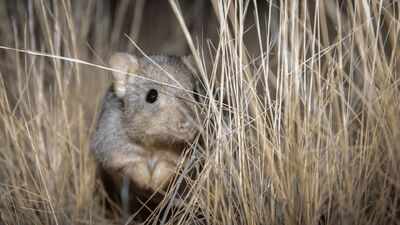
Australia’s effort to bring digging mammals back to an 8,000-hectare wildlife sanctuary has produced changes below the surface. Researchers studying Scotia Sanctuary in south-eastern Australia found that 8 years after reintroduced mammals were given access to areas, the communities of insects emerging from the soil had changed. The mammals, including greater bilbies and bettongs, dig while searching for food, making them important ecosystem engineers that reshape their surroundings.The study titled ‘Digging into dirt: Rewilding with threatened mammals shapes soil-emerging insect assemblages,’ compared areas where digging mammals could enter with fenced plots where they were excluded. The results did not show a simple decline in all insects. Instead, particular groups responded differently, with some parasitoid wasps and predatory robber flies becoming more common where digging was absent. The findings show how restoring one part of an ecosystem can influence life underground in unexpected ways.
Reintroducing digging mammals to an 8,000-hectare sanctuary
The study was carried out at Scotia Wildlife Sanctuary in south-western New South Wales, where the Australian Wildlife Conservancy manages a predator-proof reserve. In 2009, the organisation constructed an 8,000-hectare fence, dividing the area into two 4,000-hectare sections. Native digging mammals were then reintroduced as part of wider rewilding efforts. Greater bilbies were present in both sections, while burrowing bettongs were introduced to one. Numbats and brush-tailed bettongs were also introduced, although these two did not remain in every area throughout the study period. By 2018, mammal densities were almost twice as high as they had been in 2010.The researchers focused on what happened beneath the ground because digging mammals can have a strong physical effect on soil. Their foraging creates pits, disturbs soil and can alter the conditions in which insects live and develop.
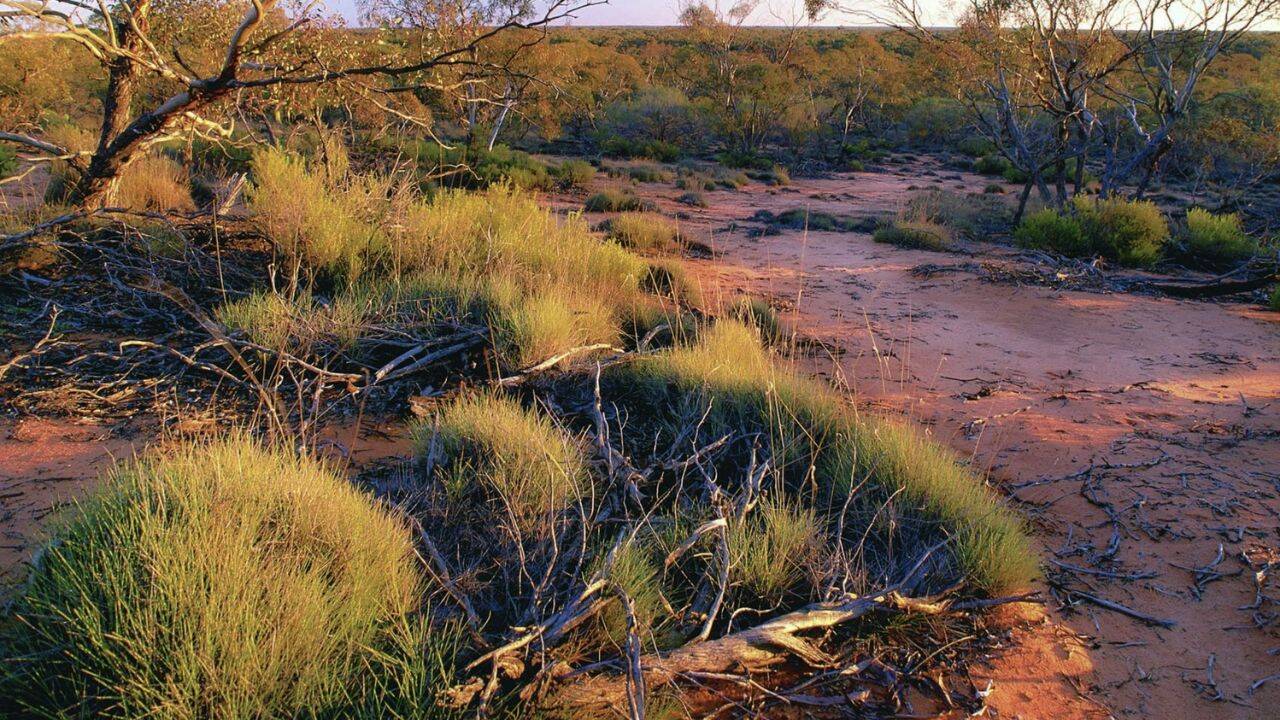
Scotia Wildlife Sanctuary: Image Credit: AWC
The 8-year experiment separated digging from other changes
To measure those effects, researchers established 30 plots across 10 sites. Each site contained a plot where digging mammals were excluded, a procedural control plot that remained accessible to them, and an unfenced reintroduction plot. The exclusion plots had fencing designed to prevent mammals from digging underneath. The procedural control fences allowed mammals to enter, while the surrounding soil was disturbed to account for possible effects caused by installing a fence. The unfenced plots remained accessible and undisturbed.The researchers collected insects emerging from the soil before the treatments were established in 2010 and again 8 years later. Five emergence traps were placed in each plot during the Australian summer, capturing insects as they came out of the ground. The two sampling periods also had similar rainfall, helping make the comparison more reliable.
What did the researchers find after eight years
The team collected 3,601 individual insects representing 197 morphospecies from three major groups which are beetles, flies and wasps. Flies were the most abundant, followed by beetles and wasps. At first, the overall results might appear less dramatic than expected. The researchers found no significant difference between treatments in insect richness or total biomass. Changes in overall abundance also fell just short of statistical significance, although the largest increases occurred in plots where digging mammals had been excluded. The more important changes appeared when researchers examined the composition of the insect communities rather than simply counting everything together.
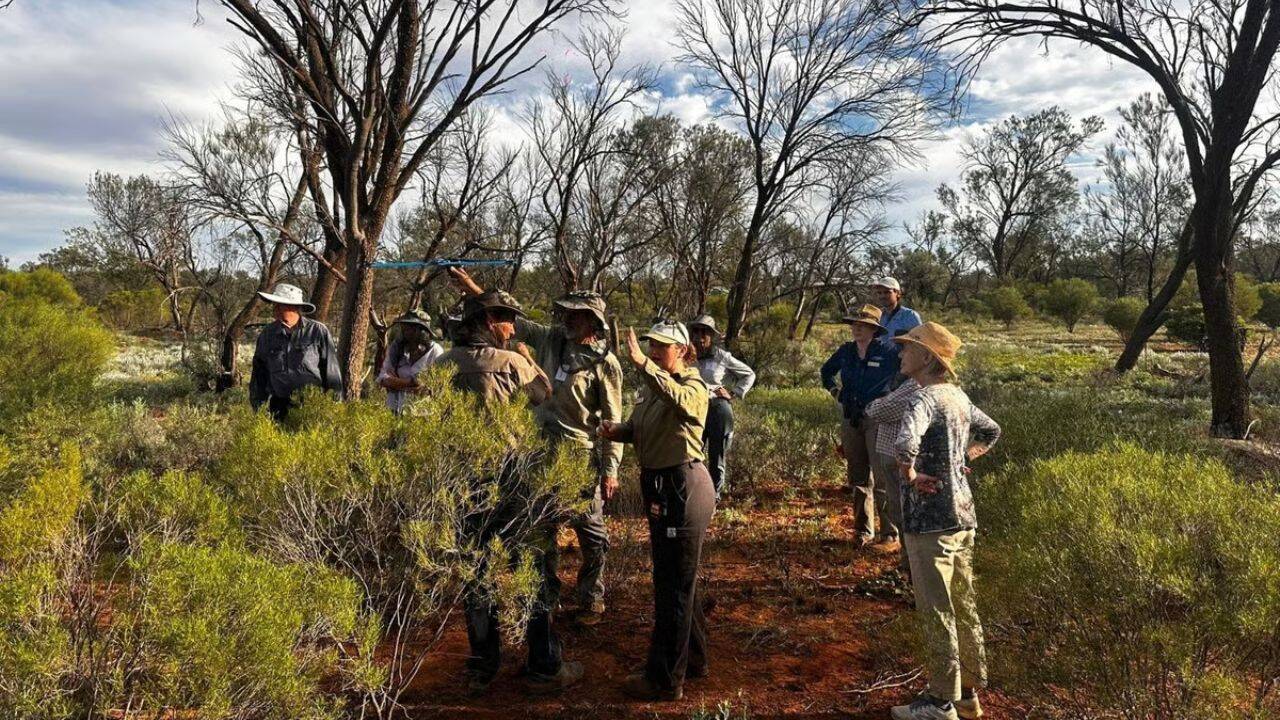
Image Credit: Australian Geographic Travel
Parasitoid wasps and robber flies responded most clearly
Several groups showed strong links with the absence of digging. Parasitoid wasps were particularly associated with exclusion plots and became more abundant there over time. These insects depend on other insects as hosts for their young, meaning that changes to underground conditions can affect them indirectly. The researchers suggest that repeated digging may disturb insect nests, expose larvae to predators or disrupt the stable conditions needed for development. When digging was absent, soil conditions were more predictable, potentially helping host insects and their parasitoids survive.Robber flies, a group of predatory flies, also showed a strong association with areas without digging activity. Their larvae develop in soil or leaf litter, while adults hunt other insects in the air. The study suggests that reduced disturbance and greater accumulation of leaf litter may have created more suitable conditions for these flies.
Results showed that rewilding can have unexpected effects
The study does not suggest that reintroduced mammals simply harmed insect communities. Instead, it found that their effects were selective and depended on the type of insect involved. Herbivorous beetles, in particular, did not show a consistent response to digging. This meant the changes were focused among particular groups rather than affecting all insects uniformly.
Long-term monitoring can make rewilding more effective
The researchers argue that these findings demonstrate why conservation projects cannot assess mammal reintroductions only by measuring whether the target species survives and increases in number. At Scotia Sanctuary, the return of digging mammals altered relationships among organisms that were not the main focus of the reintroduction.The study also cautions against treating the observed reductions in some insects as automatically negative. The researchers note that the patterns could sometimes represent a return towards conditions that existed before European settlement. They recommend continued monitoring to understand how insect communities respond to factors such as rainfall, mammal density and vegetation type. The research therefore presents rewilding as something more complex than bringing an animal back to a landscape. At Scotia, the mammals did not merely return to their old habitat; their digging changed the conditions experienced by organisms living beneath their feet.