Nature works in mysterious ways. We knew wetlands as places that support wildlife, provide shelter to birds and fish, and help maintain ecosystems. But did you know wetlands can also act as natural water filters? This function often goes unnoticed, but wetlands can filter water before it reaches larger water bodies by trapping excess chemicals and pollutants.Florida is doing exactly that. Florida is planning to use this natural process on a much larger scale, with a proposed 4,800-acre wetland project near the mouth of the Kissimmee River to reduce the phosphorus pollution flowing into Lake Okeechobee.The project, known as the Lower Kissimmee Basin Stormwater Treatment and Recreation Area, is being developed by the South Florida Water Management District. Located approximately three miles upstream from Lake Okeechobee, the proposed wetland system will capture and treat water from parts of the watershed that consistently record some of the highest phosphorus concentrations and pollution loads. The idea is to direct polluted stormwater through treatment areas containing aquatic vegetation, allowing plants and wetland soils to absorb and retain excess nutrients before the water reaches the lake.
Why is phosphorus pollution a concern for Lake Okeechobee?
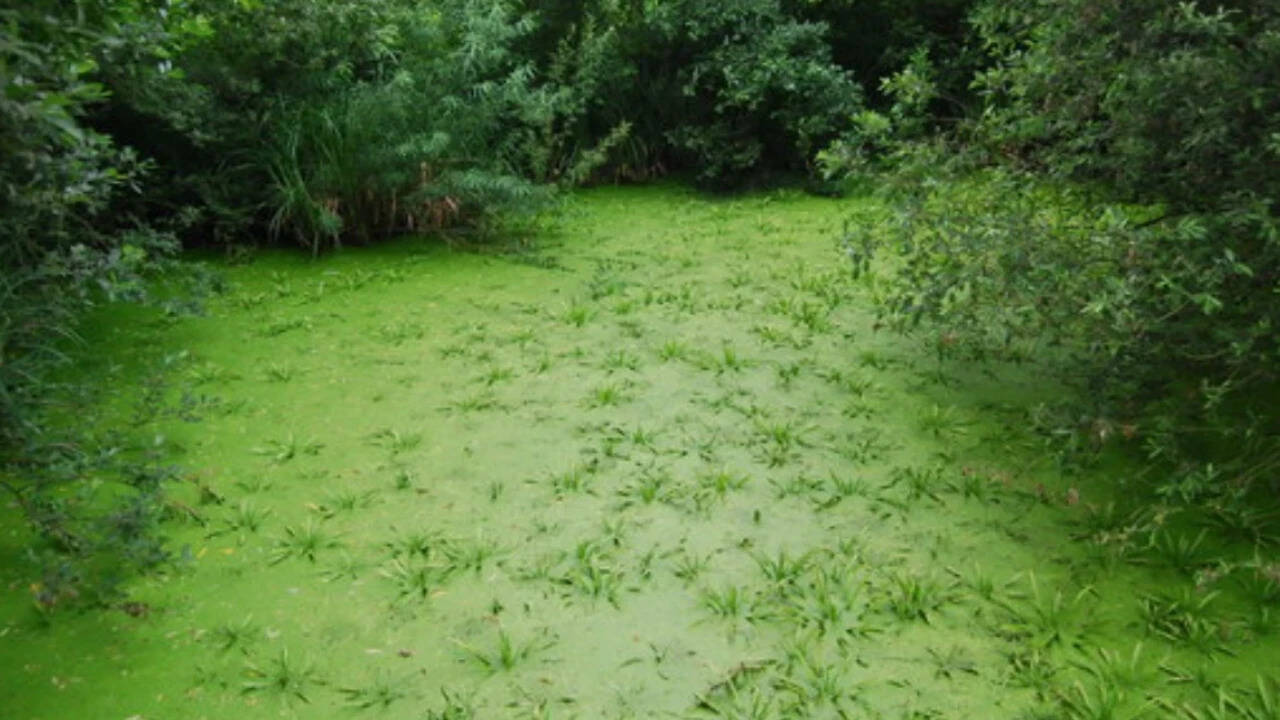
Representative image for Algal bloom. Credits: Wikimedia Commons
Phosphorus is an important nutrient for plant growth, but excessive amounts entering freshwater ecosystems can create serious environmental problems. When too much phosphorus enters a lake, it can encourage the rapid growth of algae, including harmful blue-green algae that can affect water quality as well as aquatic life.Lake Okeechobee, one of Florida’s largest freshwater lakes, has had a persistent problem with nutrient pollution over the years. Most of these nutrients run into the lake through stormwater runoff from surrounding agricultural and developed areas, carrying phosphorus and other nutrients into the lake.This excessive runoff can lead to a phenomenon known as an algal bloom. It occurs when large amounts of nutrients, particularly nitrogen and phosphorus from agricultural fertilisers and other sources, enter water bodies, encouraging the rapid growth and accumulation of algae. In freshwater ecosystems, these blooms are often caused by cyanobacteria, commonly known as blue-green algae, which can turn the water a dense green colour.Excessive algal growth can block sunlight from reaching underwater plants, affecting their ability to survive. When large amounts of algae eventually die, bacteria break them down, consuming dissolved oxygen in the water. This can significantly lower oxygen levels in the lake, creating conditions that can suffocate fish and other aquatic species.The new project is intended to address some of these pollution sources before the water reaches the lake. According to the South Florida Water Management District, the treatment system will use aquatic vegetation within stormwater treatment cells to remove nutrients from incoming water. The district describes it as one of the largest water quality projects planned north of Lake Okeechobee.
How wetlands can help clean polluted water
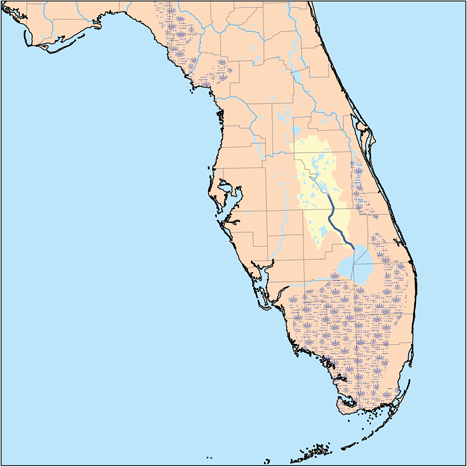
Kissimmee River Map for the project credit- Wikimedia Commons
Wetlands naturally slow down the movement of water, allowing suspended particles to settle rather than flow into rivers and lakes. Their vegetation also plays an important role in absorbing nutrients such as phosphorus, while wetland soils can retain some of these substances.In the proposed Florida project, water will pass through a series of treatment areas containing aquatic vegetation. As it moves through the system, plants, soil and other natural processes are expected to reduce the amount of phosphorus entering Lake Okeechobee.However, the project is still under development, and its environmental benefits remain projections rather than measured results. The district has not yet provided a confirmed estimate of how much phosphorus the proposed system will remove once it begins operating.The project is also expected to maintain existing flood protection for nearby communities while providing recreational opportunities in the area.
The Kissimmee River’s long journey towards restoration
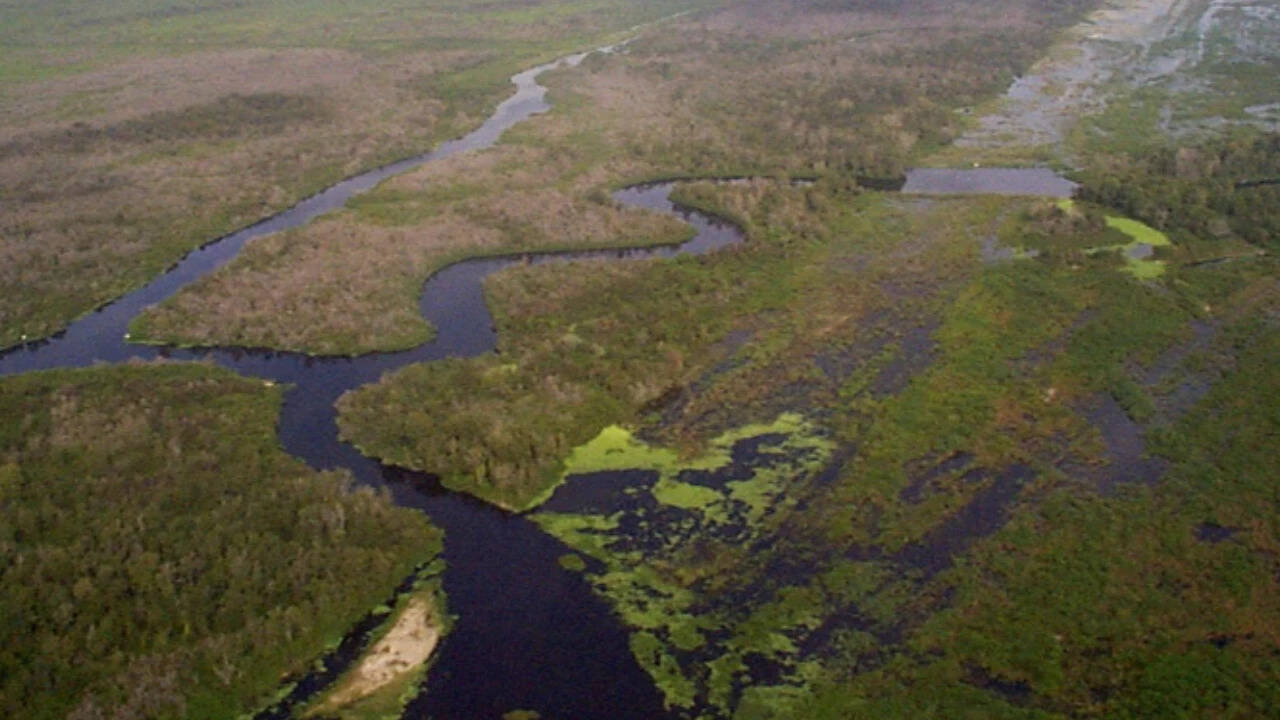
Kissimmee River Restoration project (Source – Wikimedia commons)
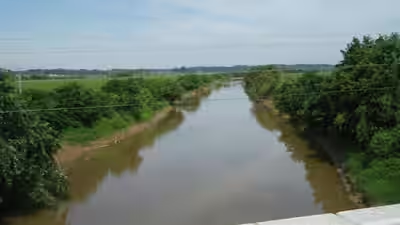
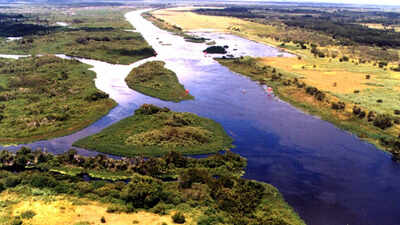
The Kissimmee River once followed a winding, meandering course for approximately 103 miles through central Florida. Its floodplain supported extensive wetlands that provided habitats for fish, birds and other wildlife. However, following severe flooding in the 1940s, authorities began looking for ways to control the river and protect nearby communities.The US Army Corps of Engineers subsequently modified the river as part of the Central and Southern Florida Project. During the 1960s, engineers straightened and channelised the waterway by creating the C-38 canal, transforming its natural meandering course into a deep, straight channel designed to move water more quickly.While the project improved flood control, it also disrupted the river’s natural floodplain. The changes reduced the seasonal flooding that sustained surrounding wetlands, affecting habitats and the wildlife that depended on them.Recognising the ecological damage, restoration efforts eventually began to reverse some of these changes. The Kissimmee River Restoration Project, authorised by Congress in 1992, involved filling sections of the artificial canal, removing levees and restoring the river’s historic meandering flow.According to the South Florida Water Management District, the restoration programme aims to restore 44 miles of meandering river and nearly 20,000 acres of wetlands. It has already re-established continuous water flow along 24 miles of the restored river.The proposed 4,800-acre treatment area represents another effort to improve the health of the wider Kissimmee-Okeechobee ecosystem, this time by addressing the nutrients carried by water before they reach Lake Okeechobee.
What happens next?
The Lower Kissimmee Basin project has been under development since 2019, with planning, preliminary design and land acquisition taking place over the following years. In February 2026, the South Florida Water Management District purchased the project property and executed the contract.The district has also scheduled a public meeting for November 5, 2026, to present the project plan and discuss construction timelines and recreational features.While the proposed wetlands offer another approach to tackling nutrient pollution, important details are still awaited, including the expected amount of phosphorus that will be removed and when the treatment system will begin operating.For now, the project reflects a broader effort to work with natural systems to address some of the environmental problems created by decades of changing waterways and managing water primarily for human needs.