
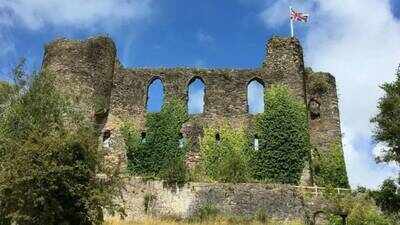
Haverfordwest Castle in Pembrokeshire, Wales, is undergoing a £17.7 million transformation that aims to turn the historic fortress into a major tourist attraction featuring an immersive visitor centre, Christmas markets, open-air theatre shows, community events and live music.The 800-year-old castle is currently closed while restoration and improvement work takes place. The development, funded by Pembrokeshire County Council with government money, is expected to be completed by summer 2027, with the attraction scheduled to reopen to the public in 2028.
Castle to become flagship heritage attraction
Once reopened, Haverfordwest Castle will offer visitors an interactive exhibition exploring the history, myths and legends associated with the site and the wider Pembrokeshire area.According to Visit Pembrokeshire, the new attraction is designed to use physical and digital experiences to tell stories about how creativity, resourcefulness, local traditions and the forces of nature have shaped life in the region.A new cafe will serve locally sourced food and drink, while a shop will sell locally crafted products and produce.The plans also include a 500-seat outdoor event space, which is expected to host theatre performances, live music and other events during the summer. Christmas markets and community events are also planned as part of the castle’s future programme.
An 800-year history of wars and changing fortunes
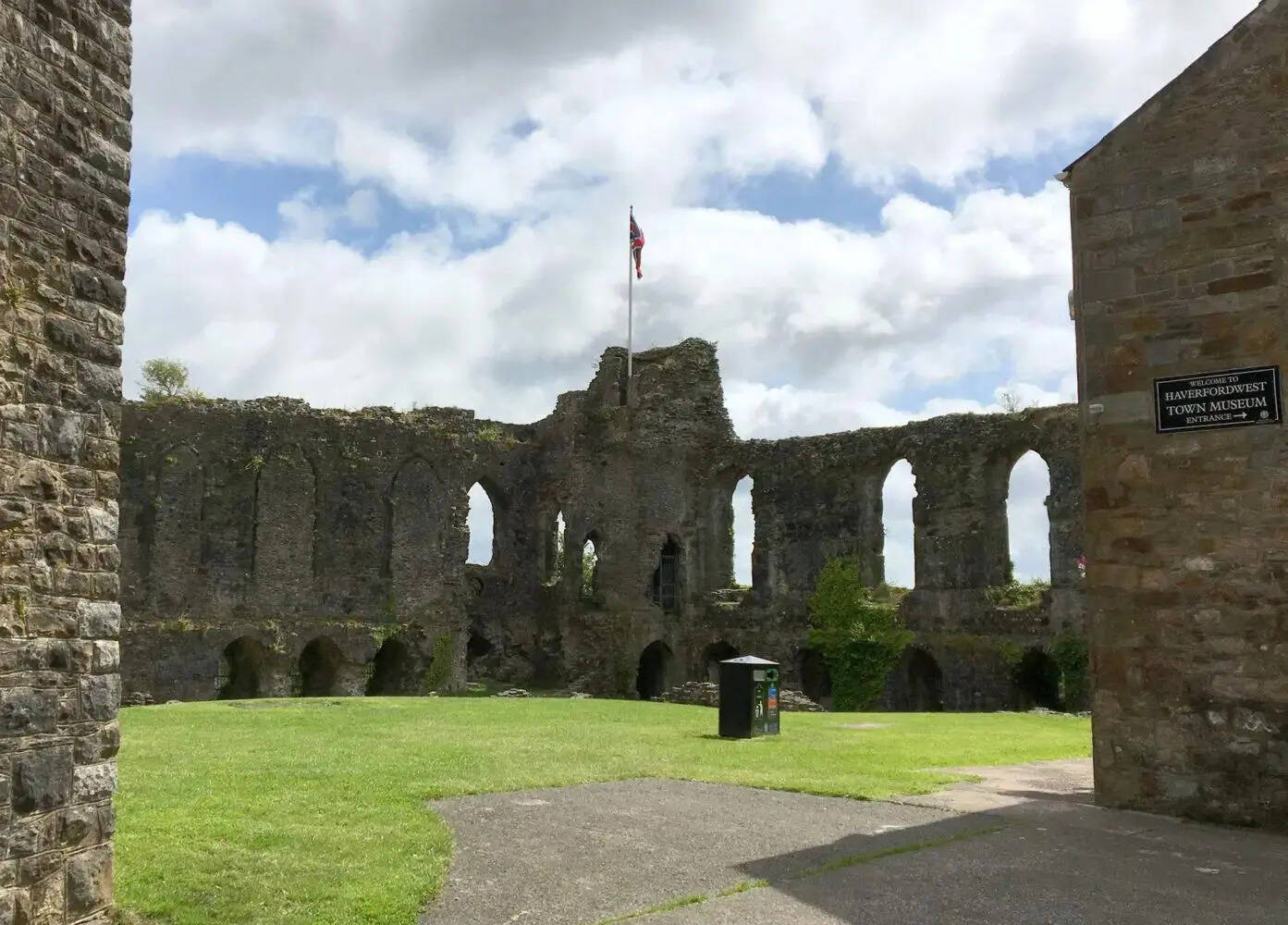
The £17.7 million redevelopment will introduce a new visitor centre, cafe, shop and interactive exhibitions exploring Pembrokeshire’s history, myths and legends. (Photo: Visit Pembrokeshire website)
The castle has undergone numerous changes since it was first recorded in 1188 by Gerald of Wales, when it was described as an earth-and-timber construction.By around 1220, the castle had developed into a substantial stone stronghold and survived an attack by Llywelyn the Great. In 1289, it was acquired by Queen Eleanor, wife of Edward I, who began a major programme of construction.The fortress later passed through the hands of several prominent figures, including Edward, the Black Prince, and was repaired while under Crown ownership in the late 14th century.It also played a role during Owain Glyndwr’s rebellion, successfully resisting an attack in 1405.By the 16th century, however, the castle had fallen into disrepair before being hastily refortified during the English Civil War. It changed hands between Royalist and Parliamentarian forces four times.In 1648, Oliver Cromwell ordered the castle’s destruction. Although the demolition was only partially successful, much of the fortress was left in ruins.Part of the site was later converted into a prison during the 18th century, while the building is now used to house the county archives.
From fortress to tourist attraction
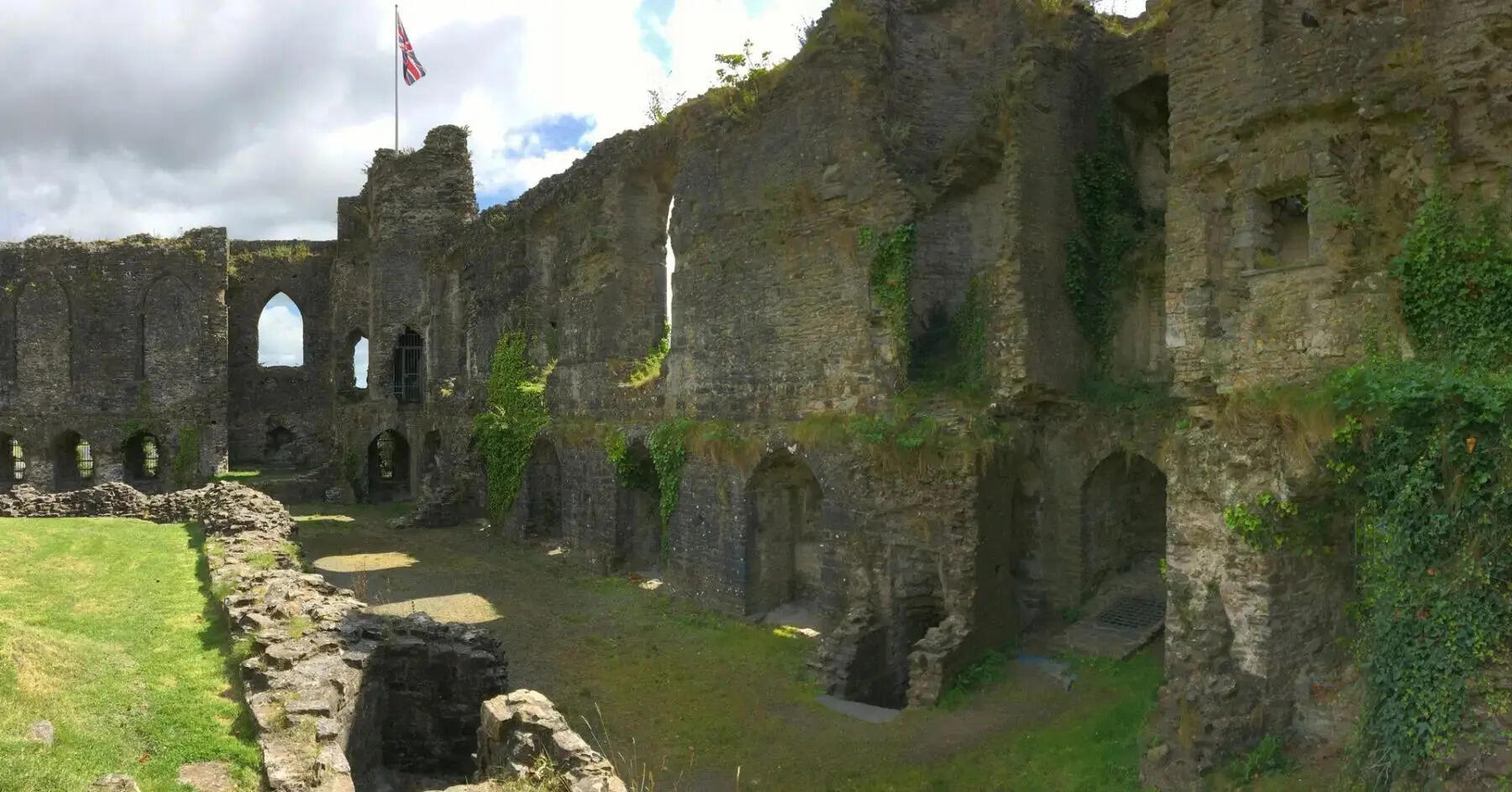
A 500-seat outdoor events space at Haverfordwest Castle is expected to host theatre shows, live music and community events after its planned 2028 reopening. (Photo: Visit Pembrokeshire website)
Today, the surviving castle includes the shell of the inner ward and curtain wall, along with several towers. Its elevated position overlooking the River Cleddau makes it a prominent feature of Haverfordwest.The redevelopment is intended to give the remains a new role while preserving the site’s historic character.Pembrokeshire County Council deputy leader Councillor Paul Miller said the project was moving closer to becoming a “flagship heritage attraction” and would help boost the economy of both Haverfordwest and the wider area.The council has said the castle will be free to visit once it reopens.During the restoration, the town museum has been relocated to Haverfordwest town centre, while the castle’s car park remains closed.If completed as planned, the project will give one of Pembrokeshire’s most historic landmarks a new lease of life, combining its medieval past with cultural events, local food, crafts and year-round tourism.