
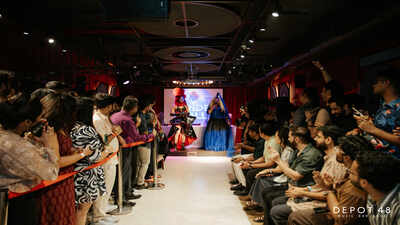
The real question is what happens in July,” observes Vikas Narula, queer co-founder of an independent live music and cultural venue Depot 48 in GK-2, serving as a sanctuary for the community well beyond the festivities of June. He tells us that now that the Pride month has ended, conversations around the LGBTQIA+ community need to shift from temporary rainbow campaigns to what genuine, year-round inclusion looks like. For Vikas, the true measure of commitment remains simple yet profound. From introducing queer-centric programmes, like Pink Thursday, to fostering an inclusive culture, Vikas believes hospitality can be a powerful form of activism.
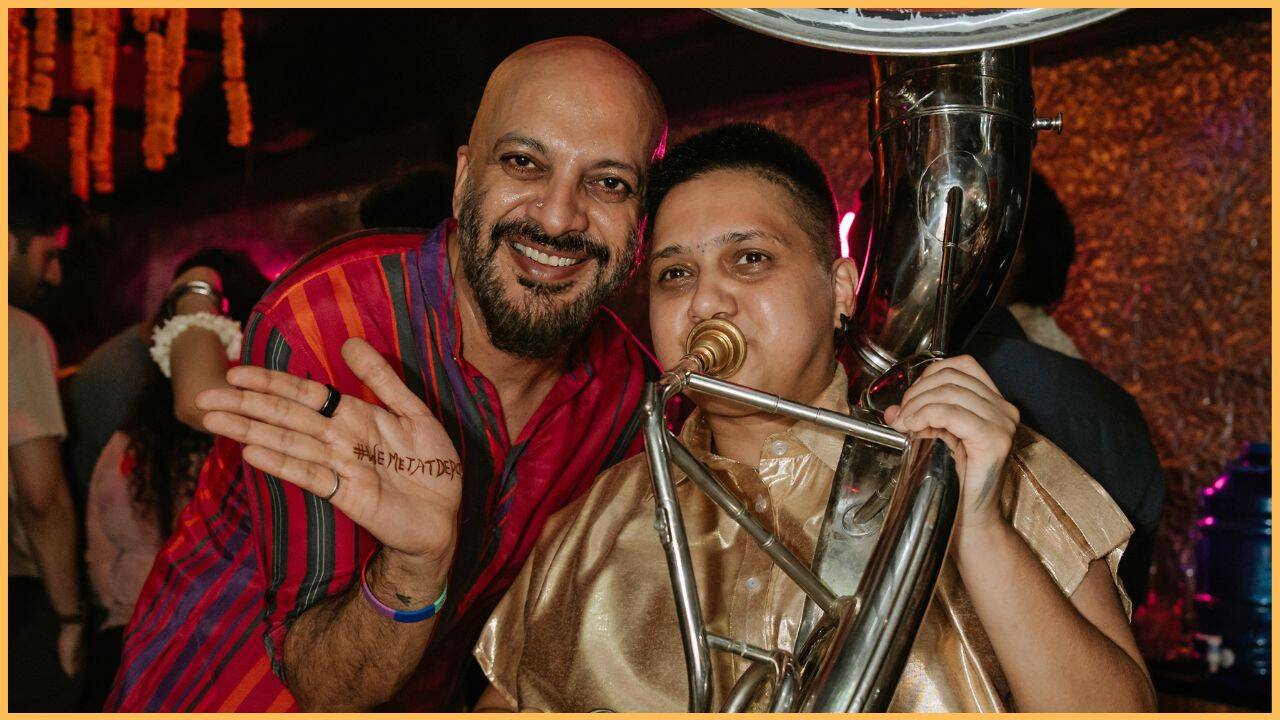
Founder of Mr Bartender & The Crew, Fay Barretto poses with Vikas Narula (left) at the recent Pride Month celebrations
‘Creating a room where people don’t have to shrink themselves was never optional’ For Vikas, inclusion is not optional. When asked if creating a welcoming hospitality venue is a form of everyday activism, he notes, “We believe hospitality should actually be hospitable. Real inclusion is rarely visible on Instagram. It’s who we, as a team hire, how the staff responds when someone feels uncomfortable, whether people can express affection without becoming a spectacle, whether an artist feels respected backstage, whether a woman can get home feeling safe after a gig. Creating a room where people don’t have to shrink themselves has never felt optional. Rainbow branding lasts a month. We’re more interested in the other eleven.”
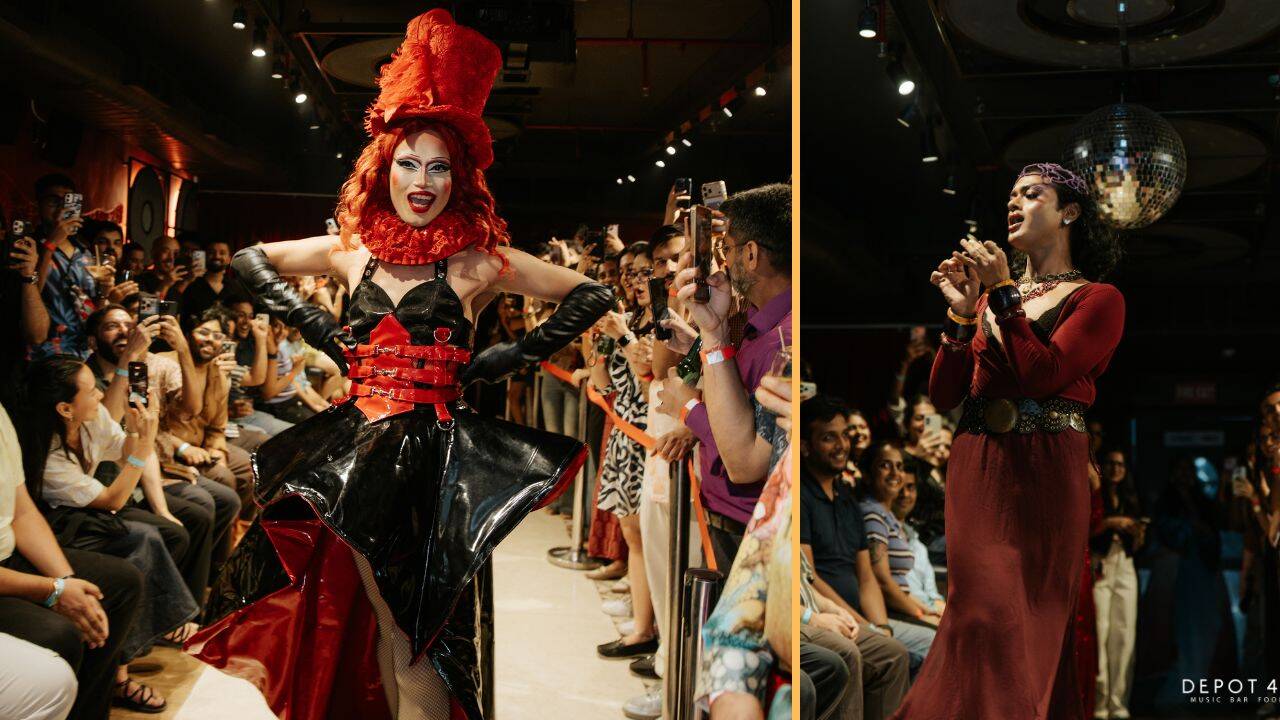
Betta Naan Stop (L) at the Pride Ball at Depot 48
‘What gives me the most hope is watching queer people become builders, not just participants’ While Pride has become increasingly visible, Narula believes visibility alone is not enough. He says, “The real question is what happens in July. Are queer artists still being commissioned? Are queer-owned businesses still getting contracts? Are inclusive workplace policies actually being implemented? Are difficult conversations still happening when there isn’t a rainbow logo attached to them? Some organisations are doing the work sincerely and deserve credit. Others still treat Pride as a seasonal marketing campaign. Communities can usually tell the difference.”Talking about the future of queer activism, he says, “Policy matters because rights shouldn’t depend on goodwill. Culture matters because laws alone don’t eliminate prejudice. Businesses matter because people spend most of their lives in workplaces and public spaces. And individual courage matters because every person who lives openly makes the world slightly easier for someone else.”What gives him the greatest hope is seeing queer people become creators and institution-builders. “The biggest shift I’ve seen is that younger queer people are demanding more than acceptance. The thing that gives me the most hope is watching queer people become builders, not just participants. They’re opening cafés, creating films, running brands, making music, writing books and shaping culture on their own terms.”‘People have become far more willing to engage without reducing drag artists to stereotypes’He has also witnessed Delhi’s drag culture come into its own over the years. “When we started hosting drag at Depot 48, people were still treating it as a novelty. A spectacle to consume rather than a craft to engage with. That’s changed substantially. Audiences today understand or are at least open to understanding that it’s performance, political commentary, fashion, comedy; it’s a full artistic practice,” he says, adding, “What’s made the shift exciting for me personally is watching a new generation of performers arrive at drag through their own cultural frames. People have become more curious, more informed and far more willing to engage without reducing drag artistes to stereotypes. There’s also a new generation of performers bringing regional languages, local references and distinctly Indian identities into their work instead of imitating Western templates. That has made the scene richer and far more authentic.”