The Legionnaires’ disease outbreak in New York City has just turned deadlier. Health officials have confirmed a third person has died after getting sick from a cluster of cases on Manhattan’s Upper East Side. As the investigation drags on, public health authorities are urging anyone who lives in or has visited the area and comes down with symptoms to get checked out right away.So far, more than 70 people have gotten sick, and a number of them needed to be hospitalized. Investigators think contaminated cooling towers in large buildings are behind the outbreak. They’re testing water systems aggressively, ordering cleanups, and disinfecting equipment as fast as possible. New cases seem to be slowing down, but officials say the work isn’t over.So, what exactly is this Legionnaires’ disease? How does it spread? Who should be worried?Let’s unpack.
New York City’s Legionnaires disease outbreak: What we know so far
Per ABC News, the city confirmed a third death tied to Legionnaires’ disease in Carnegie Hill and Yorkville, neighborhoods on the Upper East Side. At last count, there were 74 known cases, eight people are still hospitalized, and dozens have recovered and gone home.Health officials have found Legionella bacteria in several cooling towers serving buildings in those neighborhoods. The towers have been cleaned and disinfected, and the city is still monitoring them. One thing officials keep repeating: NYC’s tap water is safe to drink because the outbreak isn’t connected to the city water supply.The good news? The number of new cases reported each day has dropped since the worst point a few weeks ago, so it looks like the control measures are working. But because symptoms can take a while to show up, health authorities aren’t letting their guard down yet.
Legionnaires’ disease: What is it?
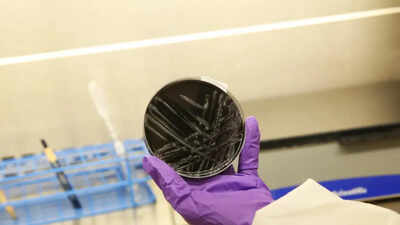
Legionnaires’ disease is a type of pneumonia caused by bacteria from the Legionella family, usually Legionella pneumophila. Doctors first identified it in 1976 when a mysterious pneumonia outbreak hit a hotel hosting an American Legion convention in Philadelphia. Since then, similar outbreaks have been traced to building water systems all over the world.It’s dangerous, for sure. But it can be treated with antibiotics, especially if you catch it early.
How does it spread?
Legionnaires’ isn’t like the flu or COVID; it doesn’t usually move from person to person.Instead, people get sick after breathing in tiny airborne water droplets contaminated with Legionella. That mist can come from:
- Cooling towers in air-conditioning systems
- Decorative fountains
- Hot tubs and whirlpools
- Big plumbing systems
- Showers or faucets in certain buildings
- Some industrial water systems
The bacteria naturally live in freshwater, but they become a problem in warm, stagnant, or poorly maintained man-made water systems. When contaminated water turns into airborne mist, people nearby can inhale the bacteria into their lungs.
Who is at risk?
Not everyone exposed to Legionella bacteria gets sick. But your risk goes up if you:
- Are 50 or older
- Smoke or used to smoke
- Have chronic lung disease like COPD
- Have diabetes or kidney problems
- Have cancer
- Received an organ transplant
- Take medications that weaken your immune system
Young, healthy adults can get Legionnaires’ too, but it’s rare for the disease to hit them hard.
Symptoms to watch for
Symptoms of Legionnaires’ disease usually show up 2 to 10 days after exposure, but the window can stretch longer.Early signs feel a lot like the flu or other respiratory bugs, including:
- High fever
- Chills
- A persistent cough
- Shortness of breath
- Aches and pains
- Headaches
- Feeling seriously tired
Some people also get stomach issues like nausea, vomiting, or diarrhea. Others (especially older adults) might feel confused or out of it. If Legionnaires’ worsens, it can cause severe pneumonia that sometimes lands people in the hospital.
Diagnosis and treatment
Medical professionals generally use urine antigen tests, lab work on respiratory samples, and chest scans to diagnose Legionnaires’. Treatment is straightforward: antibiotics that specifically kill Legionella, like azithromycin or fluoroquinolones. People with serious pneumonia might need oxygen or hospital care.The main thing to note here: one must seek help from a healthcare provider as soon as the early signs are spotted. Early treatment makes a huge difference and saves lives.
How can you prevent it?
For the unversed, no vaccine exists for Legionnaires’ disease yet.So, prevention is all about good water system maintenance. Building owners need to inspect and disinfect cooling towers, hot water systems, and other equipment where Legionella could grow. Rules are tighter in a lot of places, especially during warm months when the bacteria multiply fastest (20°C to 45°C, or 68°F to 113°F).
What’s next?
The city health department plans to keep testing water systems, inspecting towers, and watching for new cases until they’re confident the outbreak is contained. If you’ve been on the Upper East Side recently and notice a cough, fever, or trouble breathing, see a doctor and tell them you may have been exposed.This latest death is a tough reminder that Legionnaires’ isn’t something to take lightly, but experts say most people don’t catch it, it doesn’t spread person to person, and when it’s caught early, it’s usually treatable. The ongoing investigation also shows how vital it is to keep building water systems in good shape (especially in big, crowded cities) to help stop outbreaks like this from happening again.