
An elephant herd comes across the remains of another elephant. Instead of simply walking past, some animals slow down, approach the bones, touch them with their trunks and sniff them. In some cases, elephants return to the same spot weeks or months later.This behaviour has often been described as elephants visiting a “grave” or mourning their dead. But scientists say the reality is more complicated. There is strong evidence that elephants are unusually interested in dead members of their own species. What researchers cannot yet say with certainty is whether they understand a particular site as a grave in the same way humans do.
Elephants do return to places where other elephants died
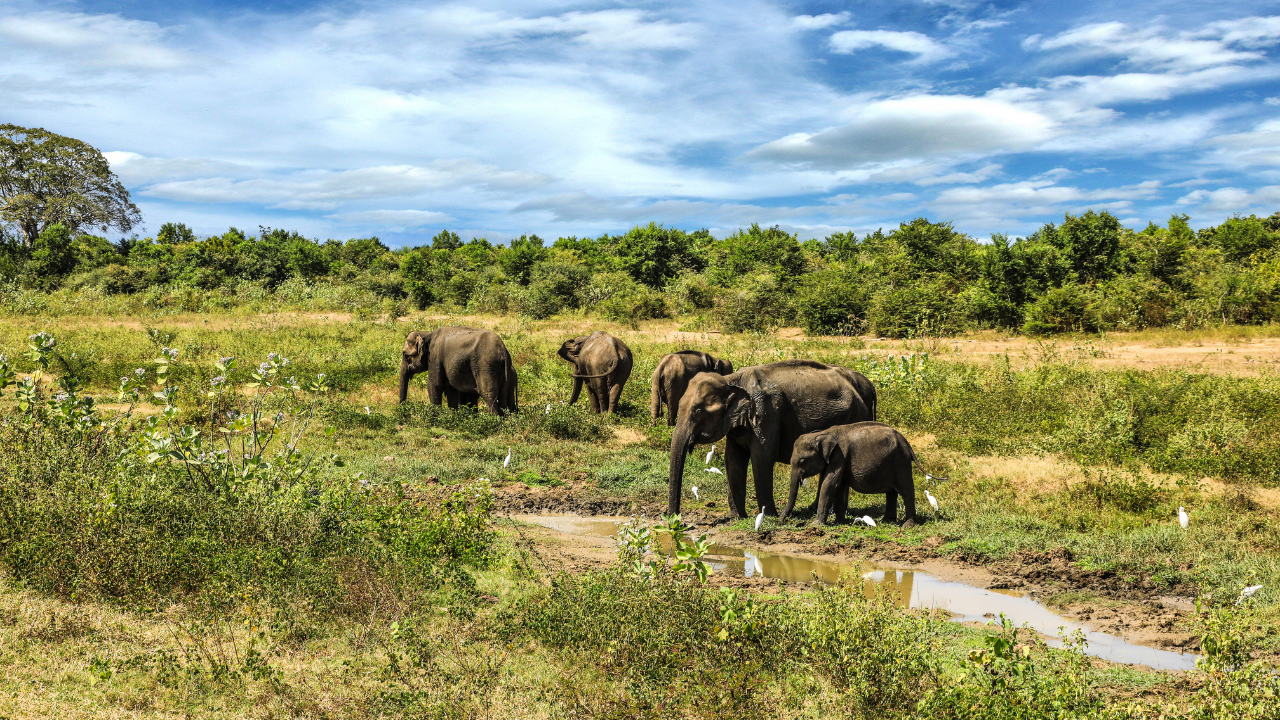
There is no solid scientific evidence that elephants deliberately travel to a special place to die.
A study published in the African Journal of Ecology in August 2026 provided one of the newest observations of this behaviour. Researchers placed a camera at the remains of a long-dead African savannah elephant in southern Kenya. Over 3.5 months, the camera recorded 34 separate visits by elephants. The animals often touched and sniffed the bones. About 85.3% of the recorded visits were made by lone males or bachelor groups.The finding is important because many earlier observations involved fresh carcasses. The Kenya study shows that elephants can also show interest in the remains of an elephant that has been dead for a long time. But calling such a location an “elephant grave” can be misleading. There is no solid scientific evidence that elephants deliberately travel to a special place to die. The popular idea of large elephant graveyards filled with the remains of animals that went there at the end of their lives is largely considered a myth. Large concentrations of elephant carcasses can occur because of drought, disease, poisoning, poaching or other environmental events.
So why do elephants investigate dead elephants?
Researchers have documented several behaviours around dead elephants. They may approach slowly, sniff the body, touch it with their trunks, stand beside it, move parts of the carcass or remain in the area for an extended period. A 2020 review by researchers from Save the Elephants and Colorado State University examined observations of elephants interacting with carcasses. It found that approaches, touching and investigative behaviour were common, and that elephants sometimes returned to carcasses at different stages of decomposition, including when only scattered bones remained. This behaviour is unusual because elephants do not appear to show the same level of interest in every large animal carcass.In a controlled experiment published in Biology Letters, researchers presented African elephants with elephant skulls, elephant tusks and other objects. The elephants showed significantly greater interest in elephant remains than in the remains of other large mammals or ordinary objects. That suggests the response is not simply curiosity about an unfamiliar object. Elephant remains themselves appear to carry particular significance.
But do elephants recognise a dead relative?
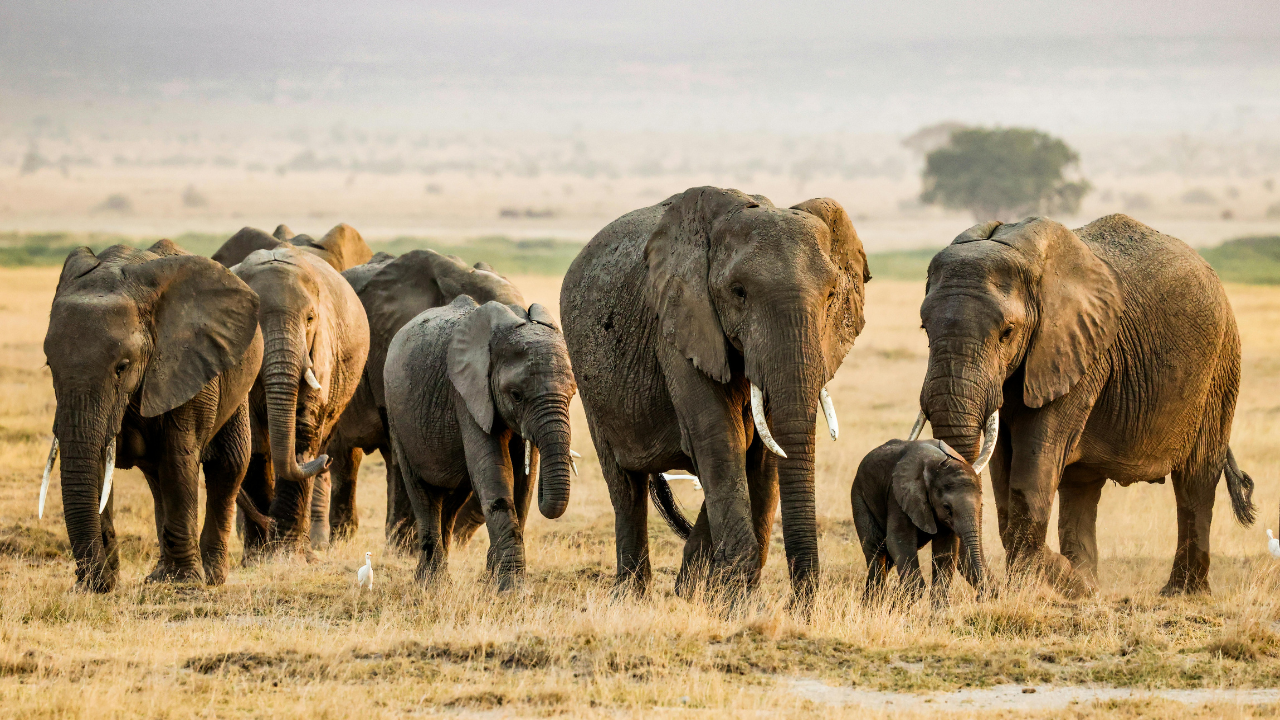
Elephants have complex social relationships and can distinguish members of their social groups.
This is where the evidence becomes more interesting. It may seem logical that an elephant would be especially interested in the bones of a family member it knew. But experiments have not clearly demonstrated this. The 2006 study found that elephants showed strong interest in elephant skulls, but they did ‘not’ show a clear preference for the skulls of individuals they had previously known. Researchers therefore suggested that elephants’ interest in remains may be directed toward elephant remains generally rather than specifically toward the remains of relatives.That does not mean elephants fail to recognise individuals when they are alive. Elephants have complex social relationships and can distinguish members of their social groups. It simply means that scientists have not established that they identify a particular individual from its bones.
Asian elephants show similar behaviour
The behaviour is not limited to African elephants. Researchers from the Indian Institute of Science and Kyoto University documented three cases involving free-ranging Asian elephants. In each case, elephants approached and investigated dying or dead elephants, using behaviours such as sniffing and inspecting the body. In one case involving a dying calf, an adult female also produced frequent trumpeting sounds. The researchers concluded that Asian elephants, like African elephants, may have some awareness of death.Another study of Asian elephants kept at Chester Zoo found changes in the behaviour and social relationships of surviving elephants after members of their herd died. The effects differed according to the age and relationship of the surviving animals. That provides evidence that death can affect the behaviour of surviving elephants, although it still does not prove that elephants experience grief exactly as humans do.
What about elephants actually burying their dead?
This question became particularly interesting after researchers reported five cases involving Asian elephant calves in northern West Bengal. In a 2024 paper published in the Journal of Threatened Taxa, researchers described five dead elephant calves found partly buried in irrigation trenches on tea estates. The carcasses had been transported and were found with soil covering much of their bodies, while the legs remained above the ground.The findings attracted international attention because deliberate burial is rare among animals. However, scientists have urged caution. According to National Geographic, the burials were not directly witnessed. Some experts questioned whether the elephants deliberately buried the calves or whether the calves ended up in the trenches during attempts to carry or move them. Ecologist Raman Sukumar and Asian Elephant Specialist Group experts cautioned against treating the observations as proof of intentional burial.The University of Portsmouth similarly noted that the cases were intriguing but said more evidence is needed because nobody directly observed the burial process.
Returning to a “grave” may not mean remembering it as a grave
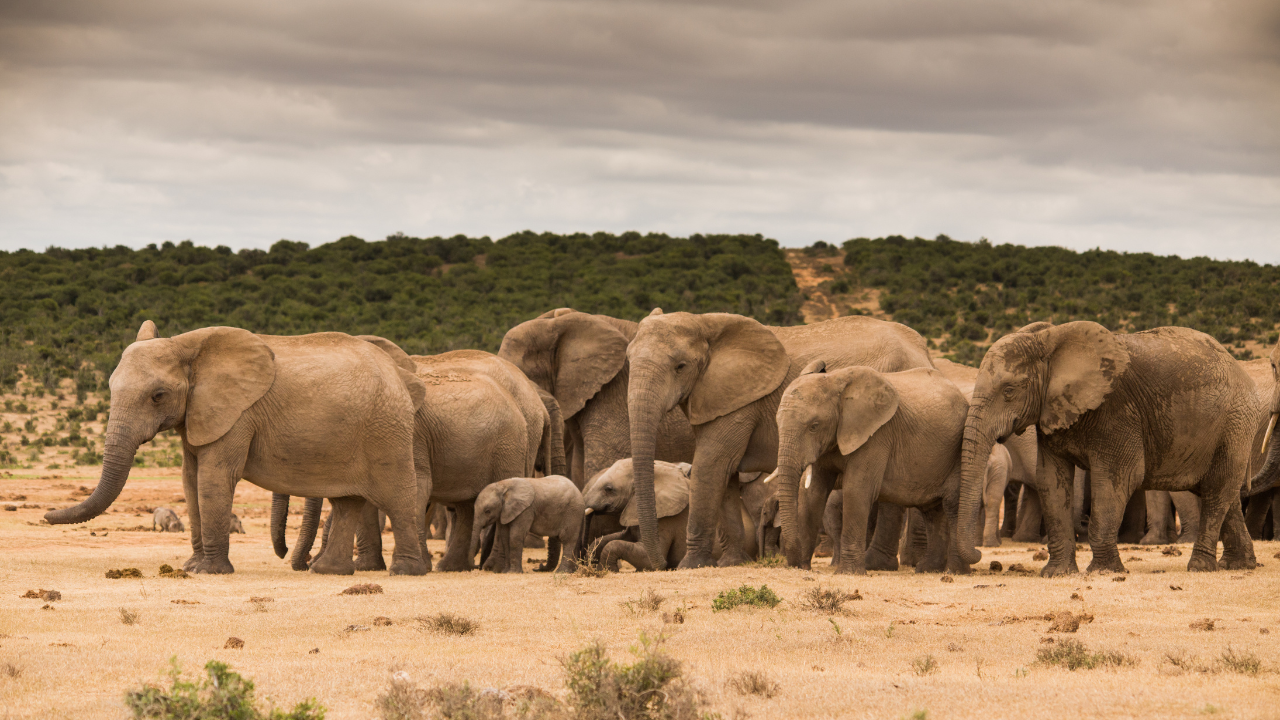
Elephants have an exceptional sense of smell and use their trunks to investigate their surroundings.
Scientists are still trying to understand what drives elephants to revisit dead individuals or their remains. One possibility is that the remains provide important information. Elephants have an exceptional sense of smell and use their trunks to investigate their surroundings. A carcass can provide information about what happened to another elephant, whether danger is nearby and what has changed within the herd’s social environment.The 2020 review suggested that investigating the dead may help elephants update information about their social surroundings. Another possibility is that the behaviour has an emotional component. Researchers have observed elephants helping distressed individuals, staying around dying animals and showing prolonged interest after death. But proving an internal emotional state such as grief is much harder than documenting the behaviour itself.Scientists can observe an elephant returning to bones. They cannot directly observe whether the elephant is thinking about a particular individual, remembering a relationship or mourning in the human sense.
The mystery is still not solved
What researchers know is that elephants react differently to the dead than most animals do. They investigate carcasses, touch bones, show particular interest in elephant skulls and tusks, and in some cases return to the same remains long after death. The latest evidence from southern Kenya adds another piece to that picture. It is that elephants may continue visiting the remains of an individual long after its body has decomposed. But the idea of an elephant deliberately travelling to a special “graveyard” to die has not been established by science.What happens when an elephant stands quietly beside the bones of another elephant is still an open question. The behaviour is clear. Its meaning is not.