In one of Scotland’s largest citizen-led woodland restoration efforts, around 100 volunteers have spent the past three years hand-collecting more than 11 million rare native tree seeds from remote forests, islands and rugged coastlines. The ambitious project, led by Trees for Life and Woodland Trust Scotland, has already exceeded its original target elevenfold and is expected to produce nearly 7.8 million native trees for rewilding projects across the country. By gathering genetically unique seeds from some of Scotland’s oldest woodlands and fragments of its endangered Atlantic rainforest, volunteers are helping restore habitats that have been shaped over thousands of years and are now among Europe’s rarest ecosystems.
How volunteers collected 11 million rare seeds from Scotland’s remotest forests
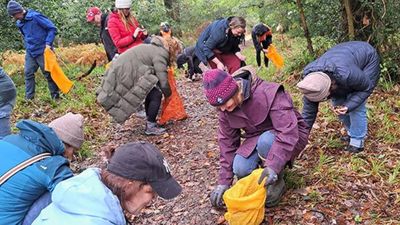
Launched in August 2023, the Tree Seed Collection Project initially aimed to collect one million native tree seeds over three years. Instead, the project surpassed all expectations, with volunteers gathering more than 11 million seeds by hand from remote areas across western Scotland, the Highlands and numerous islands.The work is far more demanding than simply collecting fallen seeds. Volunteers often hike for hours into isolated ancient woodlands using detailed habitat maps prepared by NatureScot and Scottish Forestry. Many collection sites are inaccessible to commercial contractors because of steep terrain, harsh weather and high costs. Equipped with bags, poles and careful identification guides, volunteers collect seeds directly from healthy native trees while ensuring enough remain behind for natural regeneration.Their efforts are expected to produce around 7.8 million native trees, which will support woodland restoration projects across Scotland for years to come.
Why Scotland’s ancient tree seeds are so valuable
The project focuses on species that are both difficult to collect and genetically important. These include sessile oak, hazel, dwarf birch, willow, juniper, birch, wild cherry, wych elm, yew and elder.Many of these trees descend from populations that recolonised Scotland after the last Ice Age. Over thousands of years, they evolved unique genetic adaptations to survive the wet, windy conditions of Scotland’s west coast and islands. Because of this local adaptation, trees grown from these seed collections are far more likely to survive disease, storms and a changing climate than trees grown from imported seed stock.Conservationists say protecting this local genetic diversity is just as important as planting large numbers of trees, since resilient forests are better equipped to withstand future environmental pressures.
Rebuilding one of Europe’s rarest rainforests
Although Scotland is often associated with dramatic landscapes, it is now one of Europe’s least-wooded countries, with only about 4% of its land covered by native woodland. Among its most threatened habitats is the Atlantic rainforest, a globally rare temperate rainforest found mainly along Scotland’s west coast.Today, only around 30,000 hectares of this rainforest remain. These ancient woodlands support an extraordinary diversity of mosses, lichens, liverworts, fungi, insects and birds that thrive in the region’s cool, humid climate. Many of these species cannot survive elsewhere in Britain.The collected seeds are being used to restore these disappearing forests, helping reconnect fragmented habitats while strengthening ecosystems that have taken thousands of years to develop.
From tiny seeds to millions of future trees
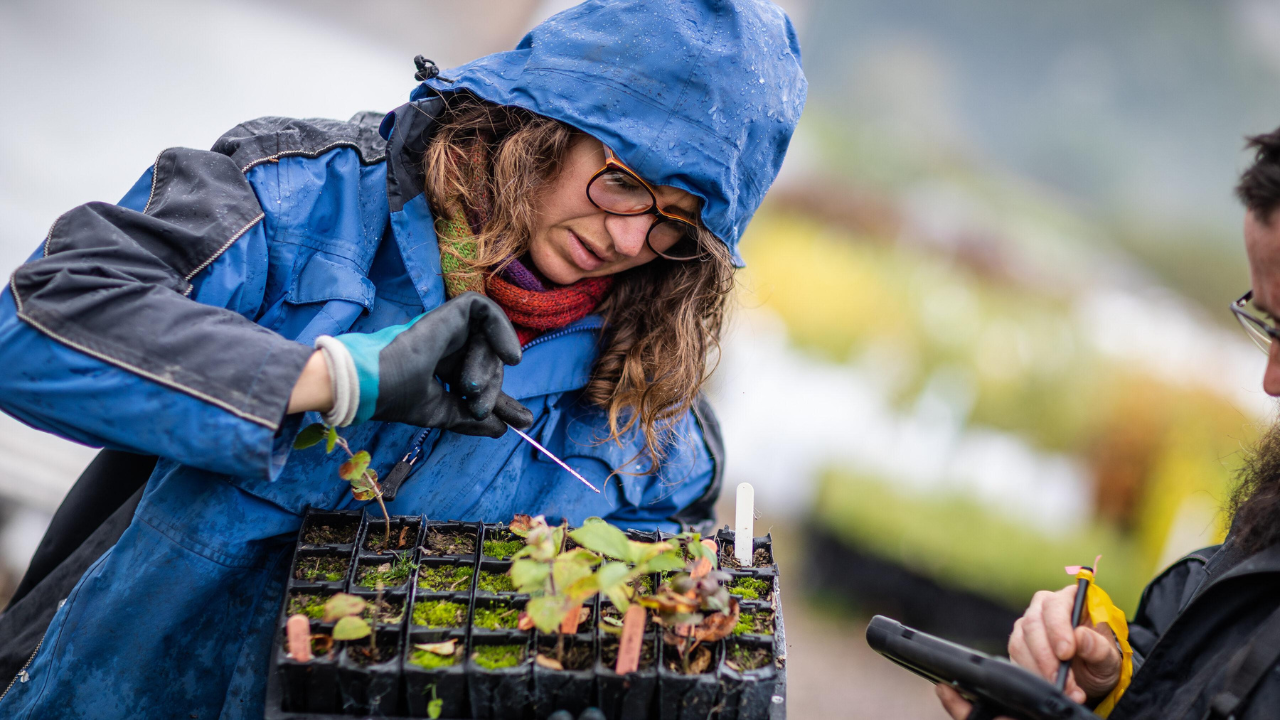
After collection, every seed batch is transported to Trees for Life’s Dundreggan Rewilding Estate near Loch Ness, where specialists inspect, clean and carefully grade the seeds. Many are then supplied to more than 20 accredited tree nurseries participating in the Woodland Trust’s UK and Ireland Sourced and Grown Assurance Scheme.The nurseries grow the seeds into young saplings before they are planted across carefully selected restoration sites throughout Scotland. Many seedlings will eventually be used in major rewilding projects, including efforts to restore the ancient Caledonian Forest, one of Britain’s most iconic native woodland ecosystems.By tracing every seed back to its original collection area, conservationists ensure each tree is planted in habitats where it is naturally adapted to thrive.Healthy native forests do far more than produce trees. They provide habitat for species including red squirrels, capercaillie, crossbills, pine martens and countless insects and fungi while improving soil quality, reducing flood risk and storing large amounts of carbon dioxide.Scientists also view woodland restoration as one of Scotland’s most important natural climate solutions. As temperatures continue to rise, larger and more connected forests can help wildlife adapt, improve ecosystem resilience and reduce biodiversity loss.The project also demonstrates the growing role of citizen science in conservation. Retired teachers, doctors, office workers, students and families have all contributed thousands of volunteer hours, proving that restoring nature is not limited to scientists or professional conservationists.
Growing Scotland’s forests one seed at a time
The success of the Tree Seed Collection Project has secured funding for at least another year after far exceeding its original goals. Supported by Woodland Trust Scotland, Trees for Life, the People’s Postcode Lottery, the BrITE Foundation, the Clean Planet Foundation and other donors, the initiative has become one of Scotland’s most ambitious volunteer-led restoration programmes.For the volunteers, every seed represents far more than a future tree. It carries the genetic legacy of ancient forests and the promise of healthier woodlands for generations to come. At a time when biodiversity is declining and native habitats continue to disappear, millions of carefully collected seeds are helping write a hopeful new chapter for Scotland’s forests, one tree at a time.