

US is currently battling a growing Cyclospora outbreak across the states. According to researchers, it is the largest outbreak of its kind in the country’s history and health officials are yet to identify the source. Since May 1, 1,645 infections with the parasite have been confirmed across 45 states and more than 5,100 further cases are under investigation.According to Joel Barratt, a molecular parasitologist at Emory School of Medicine in Atlanta, Georgia, these figures have quickly surpassed the total number of cases typically seen in a year. More than 100 people with parasite infections have been hospitalised, but no deaths have been reported.
What is Cyclospora and how does it affect people?

The main symptom is watery diarrhoea because the parasite inflames the intestinal lining
Cyclospora cayetanensis is an intracellular parasite, meaning that it invades and then hijacks a host’s cells, especially those in the lining of the intestines, according to the journal Nature. Once inside, it rapidly begins to multiply, which damages the cells. It can take a week or more for the parasite to complete its life cycle and inflict enough harm for symptoms to appear.Getting the infection means that someone has consumed food or water that was contaminated by human faeces. Cyclospora cayetanensis reproduces through egg-like structures called oocysts that are shed in human stool. These oocysts are not immediately infectious: they must first sporulate, or mature, in a warm environment at temperatures between 22 °C and 32 °C for a week or two, which is one reason why outbreaks tend to occur during summer.The main symptom is watery diarrhoea because the parasite inflames the intestinal lining and disrupts the body’s ability to absorb water and nutrients, causing it to flush excess fluid through the gut. While the infection runs its course when the immune system expels the parasite from the body, the illness can last for weeks or even months.The main treatment that physicians use to fight the parasite is the combined antibiotic trimethoprim–sulfamethoxazole (sold as Bactrim). Antibiotics are not typically used against parasites, but Bactrim starves Cyclospora of an essential vitamin it needs to replicate.
How are researchers trying to pinpoint the outbreak’s origin?
Health officials are still working to identify the source, but the state of Michigan, which has reported the highest number of infections, 4,300, has signalled that lettuce or salad greens might be the culprit. On Thursday, the US Food and Drug Administration identified shredded iceberg lettuce from a supplier in Mexico that was sent to Taco Bell locations in five states as one source of the outbreak, but there are likely other food sources driving the spread.Tracking the parasite requires coordination between US state and federal health officials. First, state laboratories collect faecal samples from people with disease symptoms and send them to federal facilities. If a sample tests positive for Cyclospora, health officials will ascertain when the person started showing symptoms and record what the person ate in the weeks beforehand.
How to prevent the infection?
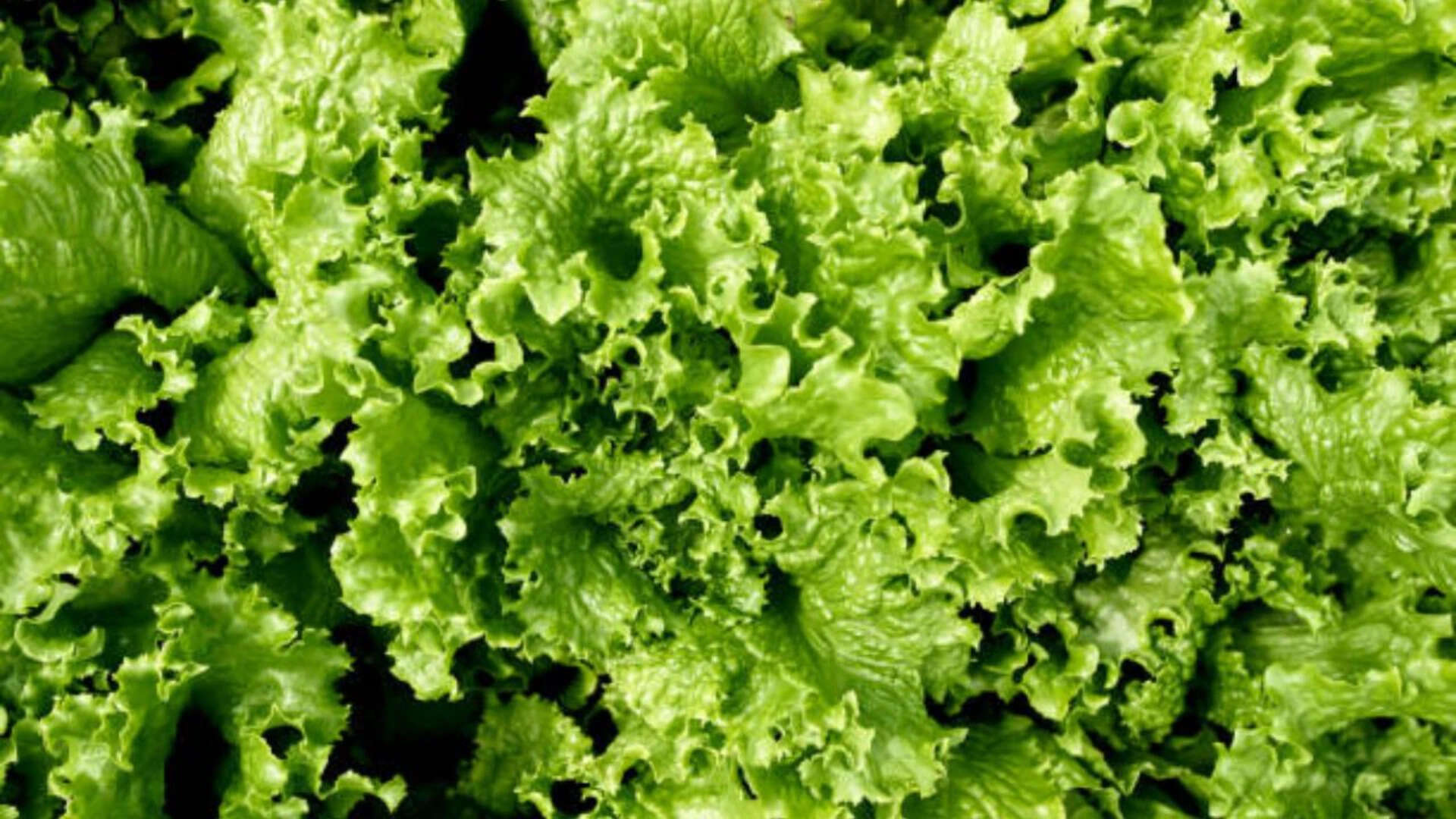
Produce is safest when it is heated to 158°F degrees or higher, which actually kills the cyclospora.
The best way to prevent illness is to follow standard hygiene and food safety practices. Washing hands with soap and water after using the bathroom and before and after preparing food is important, as alcohol-based hand sanitisers do not kill cyclospora; however, soap and water do. Cleaning produce with vinegar has been more effective than just running water alone. Produce is safest when it is heated to 158°F degrees or higher, which actually kills the cyclospora.
Foods to avoid during Cyclospora infection
Because Cyclospora embeds itself in the texture of leafy, delicate, and wet surfaces, past outbreaks have been linked to:
- Leafy greens: Bagged salads, spinach, iceberg, and romaine lettuce.
- Fresh herbs:
Cilantro , parsley, and basil. - Berries: Raspberries, blackberries, and strawberries.
- Raw vegetables: Snow peas, green onions, carrots, and celery.
According to the CDC, the typical cyclospora season lasts until late August, and cases could continue to rise until then.