The first-ever FIFA World Cup final halftime show was always going to attract massive attention. It certainly did. Before the second half of the Spain vs. Argentina final kicked off, football gave way to music, celebrity cameos, and pop culture in an 11-minute production that packed more famous faces into one stage than many award shows. While the ambitious event created plenty of memorable moments, its rapid pace also sparked debate over whether too many stars shared too little time.
Madonna sets the tone with an energetic opening
Launching a brand-new tradition is never easy, but Madonna made an immediate statement.The pop icon kicked off the halftime festivities with an energetic show that married her signature stage presence with a football-themed arrival. She rode into the stadium with Brazilian football legends Ronaldinho and Ronaldo and immediately caught the eye of the tens of thousands inside the stadium and the millions watching around the world.Her performance was a tribute to music and football culture, with colorful visuals, choreography and participation from the crowd. Her appearance was short but it did enough to create the festive atmosphere FIFA wanted for its first halftime show.For many viewers, Madonna’s opening served as the perfect bridge between global sport and global entertainment.
Ted Lasso returns to remind fans why they love the character
One of the biggest surprises had nothing to do with music.Jason Sudeikis briefly stepped back into the role of Ted Lasso, delighting fans who have long associated the optimistic football coach with the sport’s feel-good spirit. The cameo lasted only moments, but it became one of the most talked-about scenes across social media.Sharing the screen with Coach Beard, Ted delivered another message of positivity while interacting with Justin Bieber in a lighthearted segment that played into the coach’s trademark belief that encouragement can change everything.The nostalgic appearance added emotional warmth to a halftime show that otherwise moved at breakneck speed.
Justin Bieber’s performance sparks mixed reactions
Not every performance landed with the same impact.Justin Bieber took a very different approach from the high-energy acts surrounding him. Instead of delivering an upbeat stadium anthem, he chose an intimate acoustic performance of “Everything Hallelujah.”During the performance, Bieber repeatedly sang, “It’s the World Cup, hallelujah”, accompanied only by his guitar.The stripped-back presentation stood in sharp contrast to the explosive choreography and production that defined the rest of the halftime show. While some viewers appreciated the artistic simplicity, many felt the slower mood interrupted the momentum that had been carefully built by the earlier performances.The contrast quickly became one of the evening’s biggest talking points, with fans debating whether a quieter performance belonged in one of football’s biggest celebrations.
BTS, Shakira and surprise guests keep the global celebration alive
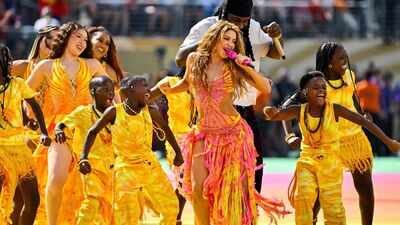
The halftime lineup reflected FIFA’s goal of showcasing artists with worldwide appeal.BTS kicked off the stadium with one of the show’s most anticipated appearances, receiving massive reactions from fans in spite of limited stage time. Their presence helped to cement the group’s international reach and demonstrated the continued popularity of K-pop on the world’s biggest sporting stages.Shakira also returned to football’s biggest stage, joining Burna Boy for another stunning segment. The famous Ghetto Kids dance troupe from Uganda added to the excitement of the production with an energetic performance injecting their enthusiasm into her performance.The Muppets, meanwhile, emerged as one of the night’s surprise stars. Kermit, Miss Piggy, Animal and the Electric Mayhem gang provided comic relief and family-friendly entertainment throughout the event, with Animal’s energetic drumming a fan favorite.The appearance demonstrated FIFA’s effort to appeal to audiences of every generation rather than focusing only on music fans.
Too many stars, too little time?
If one criticism united viewers, it centered on pacing.Madonna. BTS. Justin Bieber. Shakira. Burna Boy. Celebrity cameos. Football legends. Orchestral performances. And the Muppets. All crammed into 11 minutes.It had a star-studded line-up, which was exciting but also limited the scope for any one performer to stand out. There were a number of artists who performed for little more than a minute before the production moved to the next act, leaving the audience wanting more from performers they had waited months to see.The show often felt less like a natural build-up of performances and more like a rapid-fire series of highlights racing against the clock.The event encapsulated, for many fans, the opportunity and challenge of bringing a Super Bowl-style halftime show to the FIFA World Cup. The idea has clear potential for entertainment, but in future editions it might be better to give fewer performers more space to create memorable moments.
A memorable first chapter for FIFA’s new halftime tradition
Mixed opinions aside, the first FIFA World Cup final halftime show succeeded in one important way. It was impossible to ignore.The production ignited a global conversation long after the final whistle, with everyone from Madonna’s grand entrance and Ted Lasso’s surprise return to BTS, Shakira, Justin Bieber and even the Muppets sharing the spotlight.Some performances thrilled audiences, others split opinion and the fast pace left many wishing for longer sets. But the event proved football’s biggest stage can also be one of entertainment’s grandest showcases.As FIFA looks to future tournaments, organizers now have a blueprint to build on. If they can pair the star power with better pacing, the World Cup halftime show could become one of the most anticipated entertainment events in global sports.