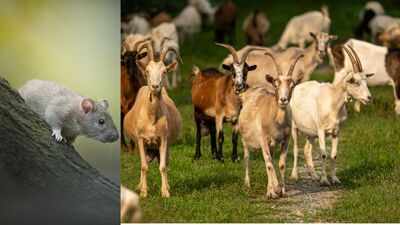
For years, Redonda looked less like a Caribbean paradise and more like a barren volcanic outcrop. Its steep cliffs and rocky surface were stripped of vegetation, while invasive goats and thousands of black rats consumed or destroyed much of the island’s fragile wildlife.Then conservationists removed the animals that did not belong there, and Redonda began to heal.Within only a few months, native plants started returning. Within two years, vegetation cover and biomass had increased more than 20-fold, while the population of Redonda’s rare ground lizards had risen eightfold. Bird species that had disappeared from the island began to return, and the landscape changed from brown and dusty to green and alive, according to a eport by the BBC.The recovery of Redonda is now regarded as one of the Caribbean’s most remarkable conservation success stories. It shows how quickly an island ecosystem can respond when the pressure from invasive species is removed.An island damaged by human activityRedonda belongs to Antigua and Barbuda and lies approximately 30 miles from Antigua. Made largely of volcanic rock, the small island provides important habitat for seabirds, reptiles and plant species found nowhere else in the world.Although it is uninhabited today, Redonda was once home to workers who mined guano and phosphate for use as fertilizer. During the 19th and early 20th centuries, mining activity altered the island’s landscape. People also introduced goats and rats, which remained after the island was abandoned around the time of the First World War.The goats fed on vegetation, preventing native trees, shrubs and grasses from recovering. The rats preyed on eggs, chicks, insects and small reptiles. Together, the two invasive species placed enormous pressure on an ecosystem that had evolved without them, as per BBC.For decades, Redonda became increasingly bare. The island’s native plants struggled to survive, while endemic lizards and seabirds lost food, shelter and safe breeding grounds.Removing the goats and ratsA major restoration programme began in 2016, led by Antigua and Barbuda’s Environmental Awareness Group and the Department of Environment, in collaboration with Fauna & Flora International, Island Conservation, the British Mountaineering Council and Wildlife Management International.The first challenge was removing the goats. Many of the animals were in poor condition and struggling to survive, particularly during the island’s dry season. Conservation teams captured them by hand and prepared them for transport by helicopter to Antigua, where they could be cared for away from Redonda’s sensitive ecosystem.The rat eradication was even more demanding. More than 6,000 invasive black rats were removed from the island, clearing the main threat to eggs, chicks, native reptiles and other small animals. By 2017, the removal programme had been completed, creating the conditions for Redonda’s natural recovery, according to Bussiness Insider.The conservationists did not immediately cover the island with new trees or attempt to rebuild the ecosystem artificially. Instead, they waited to see what would happen once the invasive animals were gone.Nature returned almost immediatelyThe results surprised even the people who had planned the project. Scientists had expected the island to show major signs of recovery after around five years. Instead, Redonda began changing within months.Grass and other native plants appeared across the exposed ground. The island’s overall vegetation increased dramatically, and its colour shifted from brown to green within about a year. By 2019, the number of recorded plant species had risen from 17 to almost 90.The vegetation did more than make the island look healthier. New plants helped stabilise the soil, provided food and shelter for wildlife, and created conditions in which other species could return. As the ground cover increased, the island became more capable of supporting insects, reptiles and birds.According to Fauna & Flora International, vegetation cover and biomass eventually increased by more than 20-fold. Other assessments have described the total rise in vegetation biomass as greater than 2,000%.Lizards and seabirds make a comebackRedonda’s rare reptiles were among the clearest beneficiaries of the restoration. With invasive rats no longer hunting young lizards and competing for food, endemic populations began to grow.The Redonda ground lizard, sometimes called the Redonda ground dragon, saw a significant increase after the rats and goats were removed. Monitoring recorded an eightfold rise in its population during the early stages of recovery. Later assessments reported an even larger increase, with some estimates placing the population at 13 times its 2017 level.Redonda’s tree lizards also benefited, with their numbers increasing several times over. Invertebrate populations rose as vegetation recovered, providing more food for reptiles and birds.The island’s birdlife changed as well. The number of land bird species recorded on Redonda increased from nine to 23, while 15 species returned within about two years. Seabirds such as brown boobies, frigatebirds and red-billed tropicbirds began nesting on the island again.For species that depend on isolated islands, this return is especially important. Remote islands often provide nesting areas free from predators, but only when invasive mammals are kept away.A lesson in rewildingRedonda’s recovery is striking because it required less human intervention than expected. Conservationists removed the goats and rats, then allowed the island’s own ecological processes to resume.That does not mean the work was simple. Capturing goats on steep volcanic terrain, removing thousands of rats and monitoring changes in plants and wildlife required years of planning, funding and cooperation. But once the main pressures were gone, nature responded faster than many scientists had predicted.“This has been the opportunity of a lifetime: witnessing an island be reborn,” Shanna Challenger, a coordinator with the Environmental Awareness Group and Fauna & Flora International, said of the project, as per Island Conservation. She noted that changes expected to take five years occurred within months.Protecting Redonda’s futureThe restoration has also helped Antigua and Barbuda advance its biodiversity and conservation goals. Redonda and surrounding marine habitats have since been incorporated into the Redonda Ecosystem Reserve, a protected area covering the island, nearby waters, seagrass meadows and coral reef.The protected status is important because recovery can be reversed if invasive species return. Long-term monitoring, biosecurity measures and continued protection will be needed to ensure that rats and goats do not regain a foothold.Redonda’s story offers a hopeful message for other islands around the world. Invasive species are one of the greatest threats to island wildlife, but removing them can unlock an extraordinary natural response.The island’s transformation began with a simple but difficult decision: take away the animals that were destroying the ecosystem. What followed was a remarkable demonstration of nature’s ability to rebuild itself. From a barren volcanic rock, Redonda has become a thriving refuge for plants, lizards and seabirds, and a powerful example of what conservation can achieve.