
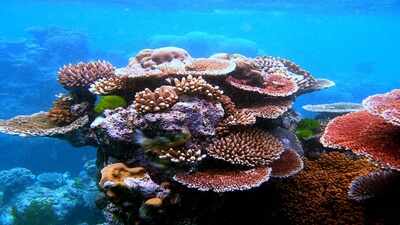
The last two years have been a tale of two extremes for the Great Barrier Reef.” In 2025, the northern region of the reef experienced its biggest annual decline in coral cover on record, dropping to just 30% after a catastrophic mass bleaching event. It was a sobering milestone in a long history of climate-induced disruptions. But just one year later, fresh surveys have revealed a surprising twist. Although another bleaching event hit in early 2026, the amount of coral in the north has risen to 35.1 per cent.The findings, published in August 2026 by the Australian Institute of Marine Science (AIMS), present a rare glimmer of hope for the world’s largest reef of coral system. They show that even in the face of repeated heat stress, the reef retains a capacity to recover, if given the right conditions.A year of record fallsIn the summer of 2024–25, sea temperatures were above average across the Great Barrier Reef, resulting in widespread coral bleaching. When AIMS completed its annual surveys in the middle of 2025, the results were stark. Hard coral cover declined significantly across all three reef regions, with the greatest annual declines since monitoring began in 1986 in the northern and central regions.In the northern region, which extends from Cape York to Cooktown, coral cover declined by around a quarter to 30%. The central region, from Cooktown to Proserpine, saw a 14% decline. The southern region, from Proserpine to Gladstone, experienced a nearly 30% drop, the largest annual decline ever recorded there.The losses were due to prolonged heat stress, which causes corals to expel the symbiotic algae that give them their color and much of their energy. Corals don’t have these algae, they turn white, called bleaching. Bleached corals can die if the stress is severe or prolonged.
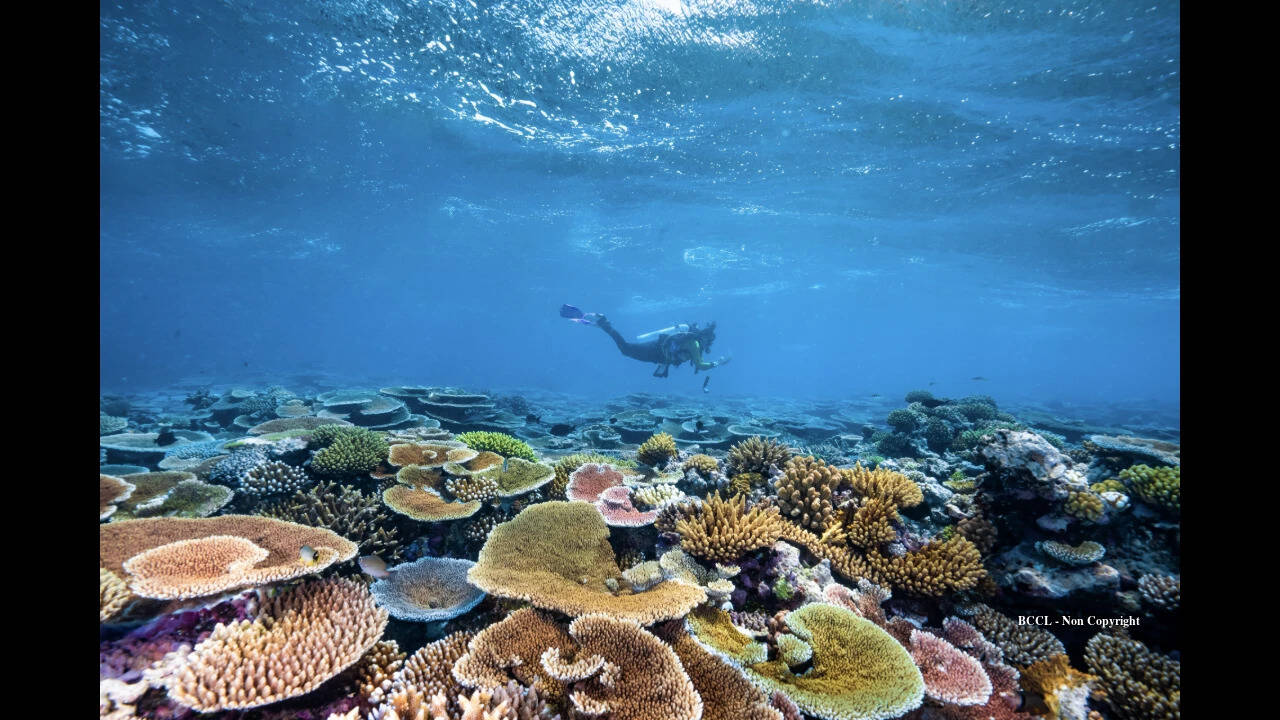
Representative image
The monsoon arrives at an opportune momentIn early 2026 scientists detected signs of regional coral bleaching again in the northern and central regions. Sea temperatures were above average and the outlook bleak. But then the unforeseen occurred. A late-summer monsoon arrived.The monsoon brought widespread cloud cover and rainy weather, helping to cool the reef at just the right time. The reduced heat stress likely limited the severity and extent of bleaching during the 2025–26 summer, giving corals a chance to recover.“A late-summer monsoon in 2026 brought the Great Barrier Reef a reprieve from unfolding coral bleaching, aiding its initial recovery from recent climate-induced disturbances,” according to AIMS.Signs of recoveryThe latest AIMS surveys, conducted between August 2025 and June 2026 on 121 reefs, found that coral cover had increased slightly or remained stable across all three regions of the reef. In the northern region, coral cover rose from 30% to 35.1%, a 16.7% increase relative to 2025 levels. In the central region, it increased from 28.6% to 31.6%, a 10.2% rise. The southern region saw a slight decrease, from 26.9% to 26.4%, but this was within the margin of error.Overall, coral cover remained unchanged on most reefs (56% of reefs), more than a quarter saw increased cover (28%), and declines (16%) were less common. Coral cover levels in the northern and central regions are now above the long-term average, signalling the start of recovery from recent widespread coral loss.A fragile reboundWhile the increase in coral cover is encouraging, scientists caution that the reef’s recovery is fragile. The Great Barrier Reef has experienced five mass bleaching events since 2016, and the frequency of marine heatwaves continues to increase with global warming.“The Reef experienced a summer of above-average sea temperatures once again, but the late-summer monsoon activity, which increased cloud cover and reduced sea temperatures, likely limited the severity and extent of bleaching in the 2025–26 summer,” said an AIMS spokesperson.The monsoon’s cooling effect was a lucky break, but it is not a long-term solution. Without significant reductions in greenhouse gas emissions, the reef will continue to face increasing heat stress, bleaching and mortality.What the future holdsThe 2025–26 survey results show that the Great Barrier Reef still has resilience. Corals can recover from bleaching if conditions improve, and the reef’s northern and central regions are now on a path to recovery. But this resilience is being tested like never before.Climate change remains the greatest threat to the reef’s long-term survival. The Australian Government is currently deciding its 2035 emissions reduction targets, and scientists say a 90% cut is critical to protect the reef. If we do not act urgently, bleaching events will continue to increase in both frequency and severity, beyond the reef’s ability to recover.A call to armsThe Great Barrier Reef is not just any natural wonder. It is a vital ecosystem, supporting thousands of species, providing livelihoods for coastal communities and adding billions of dollars to the Australian economy. Its health is a barometer of the health of the Earth.The recent increase in coral cover is a reminder that the reef can come back — but only if we let it. That means cutting emissions, protecting water quality and supporting conservation work. It means understanding the future of the reef is in our hands.The sun sets over the coral gardens of the Great Barrier Reef, and the message is clear. There is hope, but time is running out.