

For many people, a packet of chips, instant noodles, sugary breakfast cereal, frozen snacks, or packaged cookies are simply convenient parts of everyday life. They save time, satisfy cravings, and fit into busy schedules.But a growing number of scientists are beginning to ask a troubling question: what if these foods are doing more than affecting waistlines and heart health? What if they are also changing the way our brains age?A new study published in the American Journal of Public Health has found that older adults who consumed the highest amounts of ultra-processed foods (UPFs) had a higher risk of developing dementia and cognitive impairment than those who consumed the least. The findings add to an expanding conversation around diet, brain health, and the long-term consequences of heavily processed foods.
What exactly did the new study find?
Researchers analysed data from 5,370 older adults who participated in the long-running Health and Retirement Study in the United States between 2013 and 2020.
The findings were notable:
- People with the highest intake of ultra-processed foods had a 58% higher risk of dementia compared with those who consumed the least.
- They also had a 46% higher risk of cognitive impairment without dementia (CIND).
- Diets richer in minimally processed foods were linked to lower risks of both conditions.
- The researchers concluded that increased consumption of ultra-processed foods was associated with higher risks of dementia and
cognitive decline in older adults.
Importantly, this was an observational study. That means it found an association, not direct proof that ultra-processed foods cause dementia. Still, the results are difficult to ignore because they align with several previous studies conducted across different populations.
Why are scientists worried about ultra-processed foods?
Ultra-processed foods are not simply foods that have been cooked, frozen, or canned.They are industrially manufactured products that often contain ingredients rarely found in home kitchens, including emulsifiers, artificial flavours, colourings, preservatives, sweeteners, and modified starches.
Examples include:
- Soft drinks
- Packaged cakes and biscuits
- Instant noodles
- Processed meats
- Sugary breakfast cereals
- Ready-to-eat frozen meals
- Flavoured chips and snacks
The concern is not just about calories.Scientists believe these foods may contribute to chronic inflammation, insulin resistance, metabolic dysfunction, and disruptions in the gut microbiome. Each of these factors has also been linked to poorer brain health and a higher risk of neurodegenerative diseases.
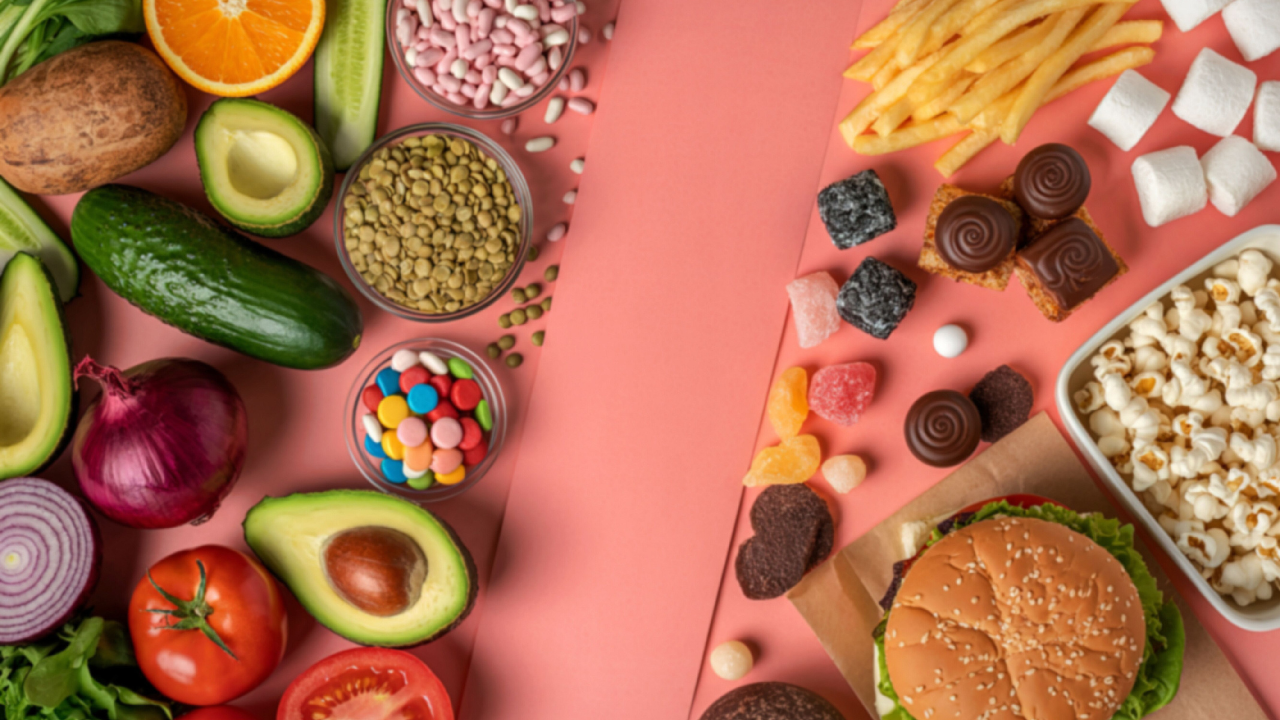
While the findings do not prove that packaged foods directly cause dementia, they add to a growing body of evidence suggesting that what ends up on our plates could influence how well our brains age.
The brain may feel the effects long before dementia appears
Dementia does not develop overnight.The disease often begins years, sometimes decades, before symptoms become obvious. Small changes in attention, concentration, planning ability, and memory can appear long before a diagnosis.Previous research published in Neurology found that adults with higher ultra-processed food consumption experienced a 28% faster rate of global cognitive decline and a 25% faster decline in executive function, which includes skills such as decision-making, planning, and problem-solving.This matters because many people associate dementia only with memory loss. In reality, cognitive decline often begins with subtle difficulties in focus, mental flexibility, and processing information.
Does this mean people must completely avoid packaged foods?
Not necessarily.Nutrition experts generally caution against fear-based eating. The current evidence suggests that the overall pattern of a person’s diet matters more than a single snack or occasional treat.A packaged biscuit at a family gathering is unlikely to determine someone’s cognitive future.The concern arises when ultra-processed foods become the foundation of daily eating habits, replacing fruits, vegetables, legumes, nuts, whole grains, fish, and other minimally processed foods.Research consistently shows that diets rich in these foods are associated with healthier ageing and better cognitive outcomes.The message emerging from the science is surprisingly simple: the closer a food is to its original form, the better it may be for long-term brain health.
Dementia prevention may start in the kitchen
Dementia remains one of the most challenging health conditions worldwide. There is currently no cure for most forms of the disease.That is why researchers are increasingly focusing on prevention.Age and genetics cannot be changed. Diet, physical activity, sleep quality, blood pressure control, and smoking habits can.This latest study does not prove that ultra-processed foods directly cause dementia. However, it strengthens the growing evidence that diets dominated by heavily processed products may not be doing the brain any favours.For a generation that has grown up surrounded by convenience foods, the findings serve as a reminder that every meal is more than a source of energy. It is also information for the body and the brain.And over time, those daily choices may matter more than many people realise.Disclaimer: This article is intended for informational and educational purposes only and should not be considered medical advice. The study discussed shows an association between ultra-processed food consumption and dementia risk but does not prove direct causation. Individuals concerned about memory, cognitive health, or dietary choices should consult a qualified healthcare professional or registered dietitian.