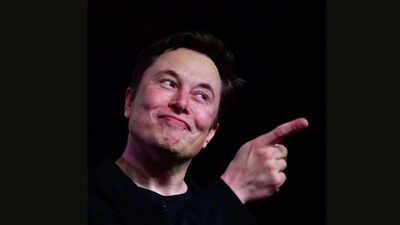
Elon Musk just turned 55, and he marked the milestone the way he marks most things lately—with a post on X aimed squarely at his rivals. The world’s first trillionaire used the occasion to put OpenAI‘s Sam Altman and Anthropic’s Dario Amodei on notice: starting next month, his AI outfit plans to ship a brand-new, trained-from-scratch foundation model every single month for the rest of the year. Not fine-tunes, not patches—complete models, one after another, on a cadence no major lab has publicly committed to.The opening salvo is Grok 4.5, now in private beta at SpaceX and Tesla.
Grok 4.5 enters beta with Opus in its sights
Musk says Grok 4.5 is built on a 1.5-trillion-parameter foundation model, the v9, with data from coding startup Cursor folded into supplemental training. His claim is bold but hedged. Early evals, he wrote, show performance close to—”perhaps exceeding”—Anthropic’s Claude Opus, the model line Anthropic refreshed to Opus 4.8 in late May. Musk was careful to manage expectations, calling v9 a “solid workhorse in the same league as Opus” rather than something mind-blowing.Context explains the swagger. The current v8 foundation behind Grok 4.3 is a 0. 5T model that finished training back in December and carries what Musk admits are “many fundamental flaws.” Tripling the parameter count is meant to feel like a generational jump.
Starlink and Starship engineers are now Musk’s secret weapon against OpenAI and Anthropic
The monthly-release promise leans on people, not just compute. Musk credits a few dozen top Starlink and Starship engineers who have shifted much of their time to AI work, calling it the reason the improvement cadence is “speeding up tremendously.” Cursor’s team, he added, is contributing to v9’s supervised fine-tuning and reinforcement learning, not just handing over data.There’s already a bigger run in motion. A 2-trillion-parameter model started training weeks ago, with broader data and a reworked recipe, and Musk expects it to finish in late July for an August release. Whether the monthly drumbeat holds—and whether the benchmarks back the talk—is the question Altman and Amodei will be watching closely.