
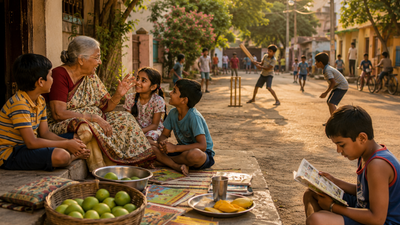
Summer holidays once arrived with a kind of excitement that couldn’t be downloaded. There were no notifications, streaming platforms or endless scrolling to fill long afternoons. Instead, children stepped out of their homes the moment breakfast was over, returning only when the streetlights came on or their mothers called them in for dinner. Across India, summer vacations followed a familiar rhythm shaped by neighbourhoods, cousins, grandparents and endless imagination. Looking back, it wasn’t just a different way of passing time. It was a childhood that quietly taught independence, friendship and creativity, one sun-soaked day at a time. Scroll down to read more…
The day began before the sun became unbearable
15 Jun 2026 | 12:57
Is spending lakhs on a child’s birthday party reasonable or insane?
Children woke up early, not because they had to, but because there was too much waiting outside. The cooler morning hours were reserved for cricket in empty plots, badminton in narrow lanes, cycling races or games of catch that stretched until the heat forced everyone indoors. There were no fitness trackers counting steps, yet entire mornings disappeared in constant movement.
Grandparents became the storytellers everyone listened to
For many children, summer holidays meant travelling to their grandparents’ home. Afternoons were rarely silent. They were filled with stories of kings, freedom fighters, village folklore, family history and mythological tales passed down through generations. Long before podcasts became popular, these conversations connected children to their roots while sparking their imagination in ways no screen could replicate.
Every neighbourhood had its own collection of games
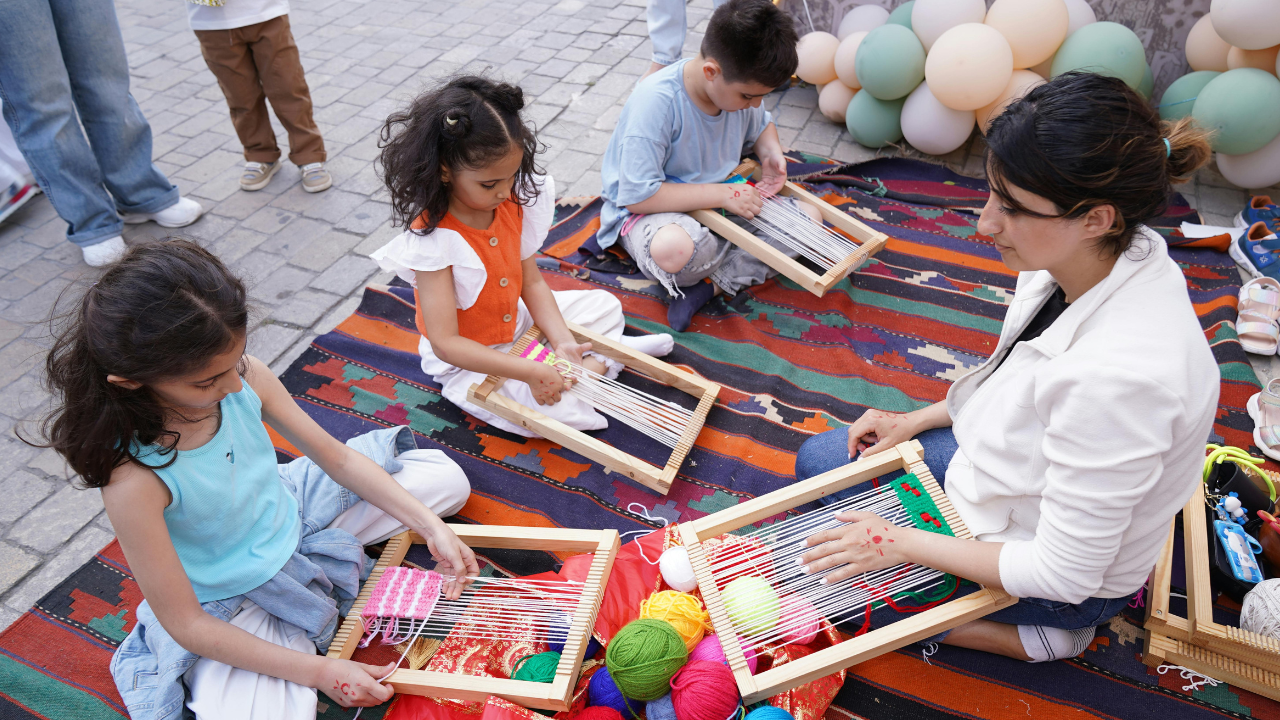
The streets doubled up as playgrounds. One corner echoed with the sound of marbles clicking together, another hosted endless rounds of stapu, while groups argued passionately over the rules of kho-kho, kabaddi or hide-and-seek. A worn-out tennis ball could fuel an entire cricket tournament, and a single tree often became the meeting point for dozens of children. Nobody needed expensive toys when imagination filled every gap.
The afternoons belonged to books, comics and homemade snacks
When the summer heat became impossible to ignore, children retreated indoors. Amar Chitra Katha comics, Chandamama magazines, Tinkle, Champak and well-thumbed storybooks passed from one sibling to another kept boredom at bay. Beside them sat steel plates filled with sliced mangoes, roasted peanuts, homemade sherbet or glasses of chilled nimbu pani. Reading wasn’t an assignment. It was simply another adventure waiting to begin.
Mangoes were more than just a fruit

Summer tasted of mangoes. Families bought them by the crate, soaking them in buckets of water before everyone gathered around to eat them. Children competed to see who could finish the juiciest mango without making a mess, though almost everyone failed. Kitchens filled with the aroma of aamras, mango pickle and fresh shakes, while sticky hands and bright smiles became part of every afternoon.
Boredom was never the enemy
There were moments when nothing seemed planned, and surprisingly, those often became the most memorable. Children built pillow forts, flew paper planes, climbed trees, experimented with homemade crafts, watched ants march across the courtyard or simply sat on terraces counting clouds. Without constant entertainment, they learnt to create it themselves. Experts today often point to these unstructured moments as valuable opportunities for creativity and problem-solving.
Evenings brought the whole neighbourhood together
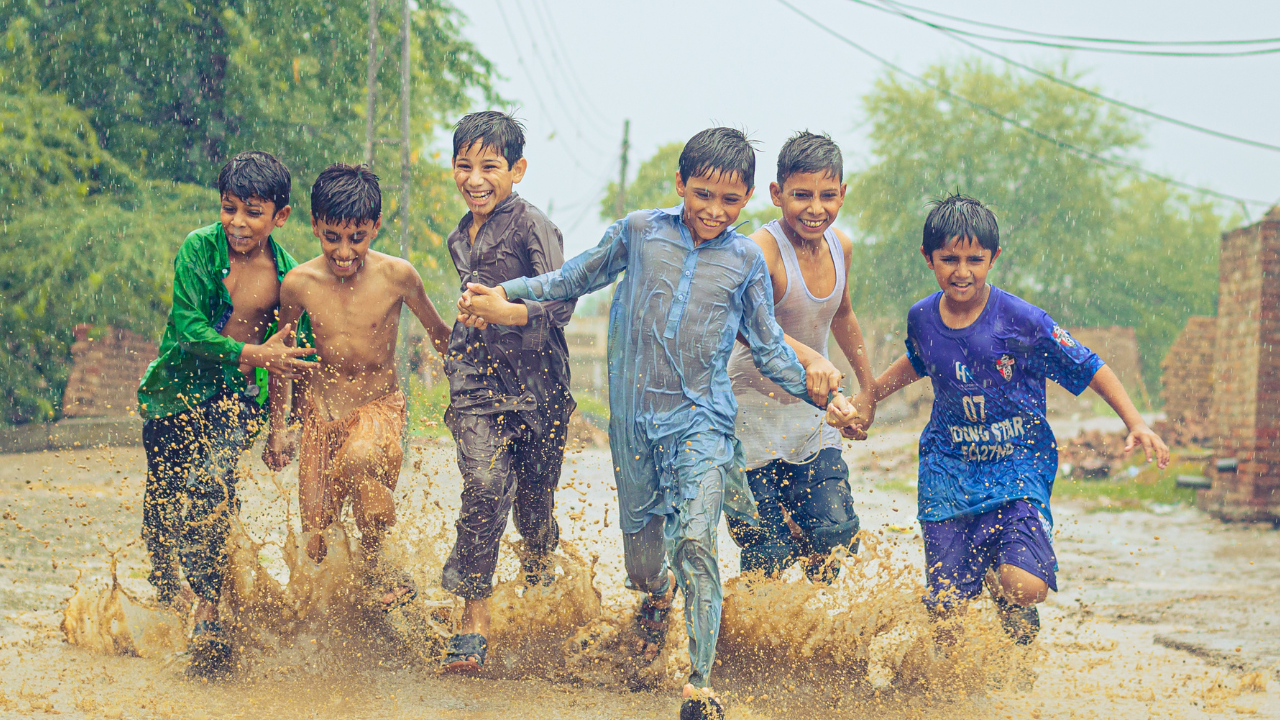
As the temperature dipped, doors opened once again. Parents chatted outside their homes while children rushed back to finish unfinished cricket matches or start entirely new games. Ice cream carts rang their familiar bells, vendors sold colourful ice golas, and the smell of pakoras drifted through the air as families prepared for another relaxed evening. Friendships formed during those summers often lasted far beyond childhood because they were built face-to-face, one shared experience at a time.Today’s children have access to technology that previous generations could never have imagined, and digital tools certainly have their place. But those pre-smartphone summers remind us that some of childhood’s greatest lessons were hidden in the simplest moments: scraped knees from cycling, arguments over cricket rules, afternoons spent with grandparents and evenings that ended only when someone called your name from the balcony. They weren’t perfect, but they were wonderfully, gloriously unplugged.