Most travel destinations advertise pristine beaches, breathtaking views and once-in-a-lifetime experiences. Snake Island does the opposite. Located off the coast of Brazil, this tiny island has become infamous as one of the most dangerous places on Earth, thanks to its population of highly venomous snakes and a long list of unsettling stories. Tourists are banned from setting foot on its shores, local legends tell of tragic encounters and even scientists need special permission to visit. While some internet myths exaggerate the reality, the verified facts about Snake Island remain strange, fascinating and, at times, genuinely disturbing.
The snake island is completely off-limits to tourists
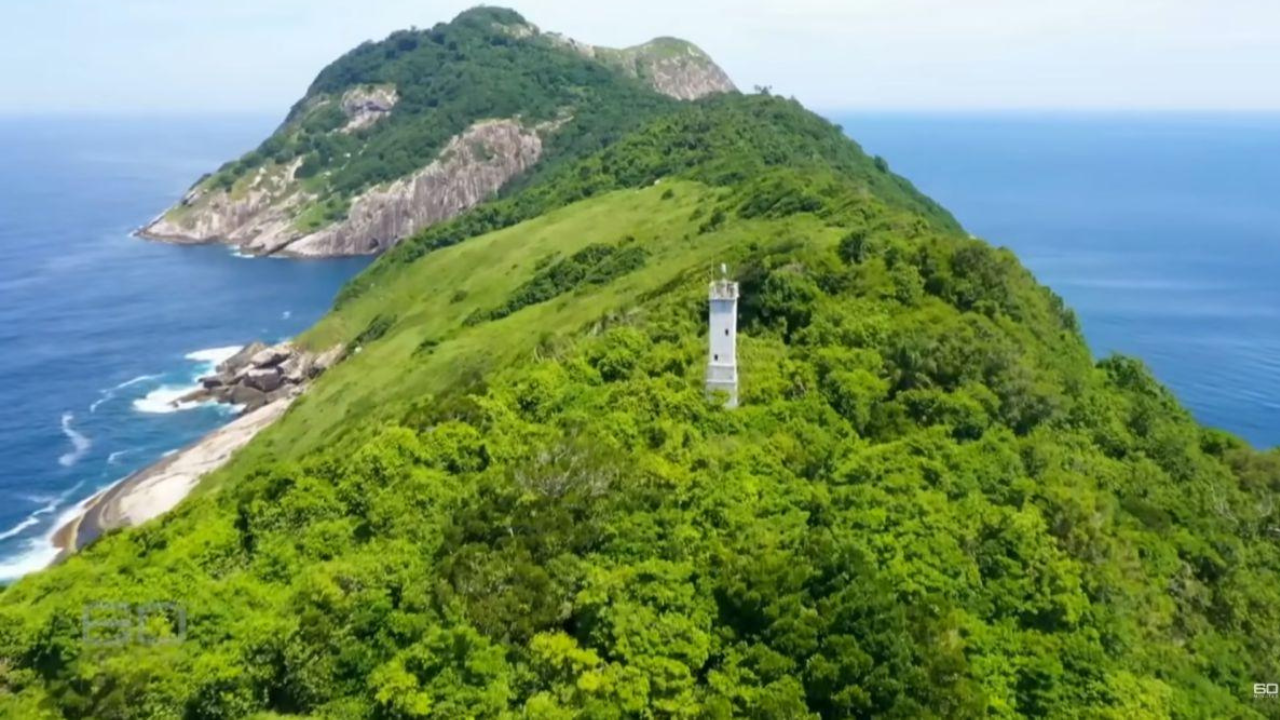
Snake Island, officially known as Ilha da Queimada Grande, lies about 33 kilometres off the coast of São Paulo, Brazil. Unlike most islands that welcome visitors, this one is largely closed to the public.The Brazilian government restricts access to protect both people and the island’s unique wildlife. Only authorised researchers and occasional maintenance crews are allowed to land there. For ordinary travellers, the closest experience is viewing the island from a boat offshore.The ban has only deepened the island’s mystery. Few people ever set foot there, which has helped fuel decades of rumours, ghost stories and frightening accounts passed down by fishermen and sailors.
Home to one of the world’s deadliest snakes
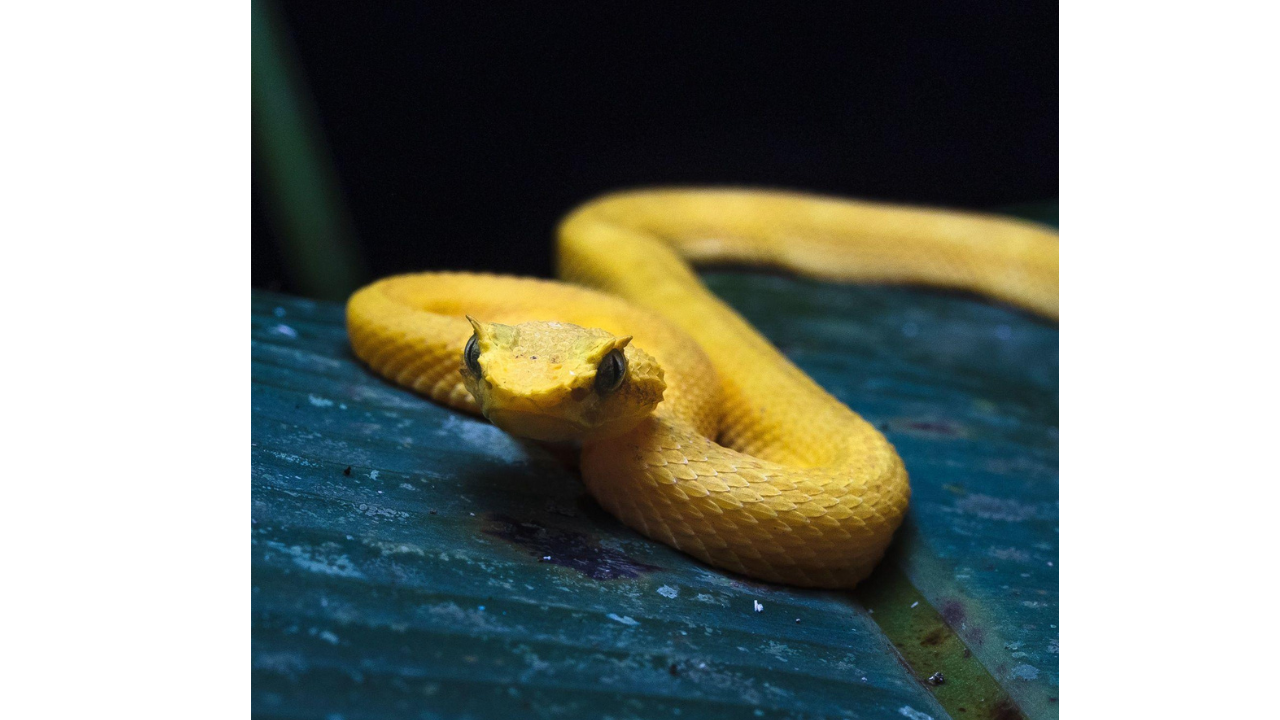
Snake Island is the only place on Earth where the golden lancehead viper naturally exists.This critically endangered species evolved in isolation after rising sea levels separated the island from mainland Brazil thousands of years ago. Without mammal prey available, the snakes adapted to hunt migratory birds, developing venom that acts extremely quickly.The golden lancehead’s bite can cause severe pain, tissue damage, internal bleeding and other life-threatening complications. Although bites are rare because so few people visit the island, experts consider the species among the most dangerous snakes in the Americas.
The lighthouse legend that made Snake Island infamous
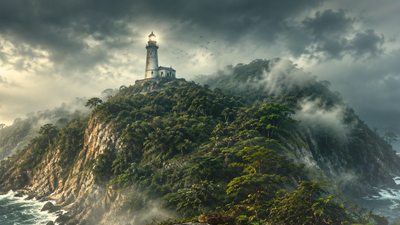
No story has done more to fuel Snake Island’s terrifying reputation than the tale of its last lighthouse keeper.According to local legend, a lighthouse keeper once lived on the island with his wife and children, tending the beacon that guided ships along Brazil’s coast. One stormy night, snakes reportedly entered the lighthouse through open windows and gaps in the structure.The family allegedly tried to escape but found snakes covering the ground outside. Panic spread as they fled through the darkness. The story claims none of them survived.Another version of the legend says the keeper attempted to reach a nearby boat after being attacked, only to collapse before making it to safety.Over the years, fishermen and sailors passing the island have repeated countless variations of the tale. Some claim the family was discovered days later inside the lighthouse. Others insist their bodies were found scattered across the island after a desperate attempt to flee.The details change depending on who tells the story, but the ending is always the same: the snakes win.The legend became so deeply embedded in local folklore that many people believe it is the reason nobody permanently lives on the island today. Stories of the doomed lighthouse keeper continue to circulate among visitors and locals alike, turning the lonely structure into one of Brazil’s most enduring maritime mysteries.
There are thousands of venomous snakes packed into a small area
One of the most persistent claims about Snake Island is that there is one snake for every square metre of land.Scientists generally regard that figure as an exaggeration. However, surveys still suggest that thousands of golden lanceheads live on the island. Given that the island covers only around 43 hectares, snake density remains remarkably high compared with most places on Earth.In some parts of the forest, snakes can reportedly be spotted resting on branches, rocks and vegetation within a short distance of one another. The sight of dozens of venomous snakes occupying such a small island has helped turn Snake Island into a global fascination.
Some fishermen claim the island is cursed
The lighthouse story is only one part of Snake Island’s folklore.For generations, fishermen along Brazil’s coast have shared stories about boats avoiding the island after dark. Some claim they have seen strange lights moving near the abandoned lighthouse. Others speak of hearing unusual sounds coming from the island on quiet nights.Tales also persist of treasure hunters, explorers and curious visitors who ignored warnings and never returned. In many versions of these stories, the island is portrayed almost as if it protects itself from intruders.Whether believed as fact or simply passed down as folklore, such stories have helped transform Snake Island from a biological curiosity into one of the most infamous islands on Earth.
The island’s name has a fiery origin
Long before Snake Island became known for its deadly inhabitants, it was associated with fire.Its official name, Ilha da Queimada Grande, translates roughly to “Island of the Great Burn.” According to historical accounts, settlers once hoped to turn the island into productive farmland. Dense vegetation covered much of the landscape, making cultivation difficult. To clear the land, they reportedly set large fires across sections of the island, a common practice used in colonial-era agriculture.The plan was ambitious but ultimately unsuccessful. The island’s isolation, rugged terrain and harsh conditions made farming nearly impossible. Over time, the settlers abandoned their efforts, leaving nature to reclaim the land.Some local stories claim the fires burned for days, covering parts of the island in smoke that could be seen from passing ships. Sailors reportedly used the burning island as a navigational landmark, helping to cement the name that survives today.There is an irony to the story. The people who once tried to make the island more hospitable inadvertently left behind a place that would become famous for being almost impossible for humans to inhabit. What began as an agricultural dream eventually transformed into one of the world’s most feared wildlife sanctuaries.Today, most people hear the name Snake Island and think of venomous vipers lurking in the forest. Few realise that before the snakes made it infamous, the island’s identity was shaped by an entirely different force: fire.
The snakes may be dangerous, but they are also endangered
It might seem strange to feel sympathy for one of the world’s most feared reptiles, but the golden lancehead faces serious conservation challenges.Habitat limitations, climate pressures and illegal wildlife trafficking have all threatened the species. Because the snake exists nowhere else on Earth, any decline in its population carries significant conservation implications.Researchers continue to monitor the species closely, balancing public safety concerns with efforts to preserve a unique part of Brazil’s biodiversity.
Illegal wildlife traffickers have targeted the island
The rarity of the golden lancehead has made it valuable on the black market.Collectors and traffickers have reportedly sought the snakes because of their uniqueness and potential scientific value. Some reports claim individual specimens can command enormous prices in illegal wildlife markets.These activities pose an additional threat to an already vulnerable species and are one reason authorities maintain strict controls over access to the island.
Scientists are studying the venom for medical breakthroughs
Despite its fearsome reputation, the golden lancehead may help save lives.Researchers have long studied snake venoms because they contain complex compounds with potential medical applications. Similar venom research has previously contributed to treatments for cardiovascular diseases and blood pressure disorders.Scientists continue to investigate whether compounds found in golden lancehead venom could one day contribute to new medicines.Few places combine scientific reality and horror-story imagery as effectively as Snake Island.The island contains a unique species found nowhere else on Earth, remains closed to tourists, inspires chilling legends and plays an important role in scientific research. Its reputation has been shaped as much by folklore as by biology.A remote island filled with thousands of venomous snakes, protected by government restrictions and surrounded by stories of doomed lighthouse keepers sounds like something invented for a thriller novel. Yet Snake Island is very real, and that reality is precisely what continues to captivate people around the world.