What began as a routine pre-Memorial Day cleanup became one of America’s longest-running environmental disasters. In May 1962, officials in the small Pennsylvania town of Centralia ignited a landfill in an abandoned strip-mining pit to reduce accumulated trash, a common practice at the time. Instead of burning out, the flames reached the exposed Buck Mountain anthracite coal seam, igniting an underground fire that spread through a network of abandoned mine tunnels beneath the town. More than six decades later, the fire is still burning, making Centralia one of the world’s best-known examples of an uncontrolled underground coal fire.
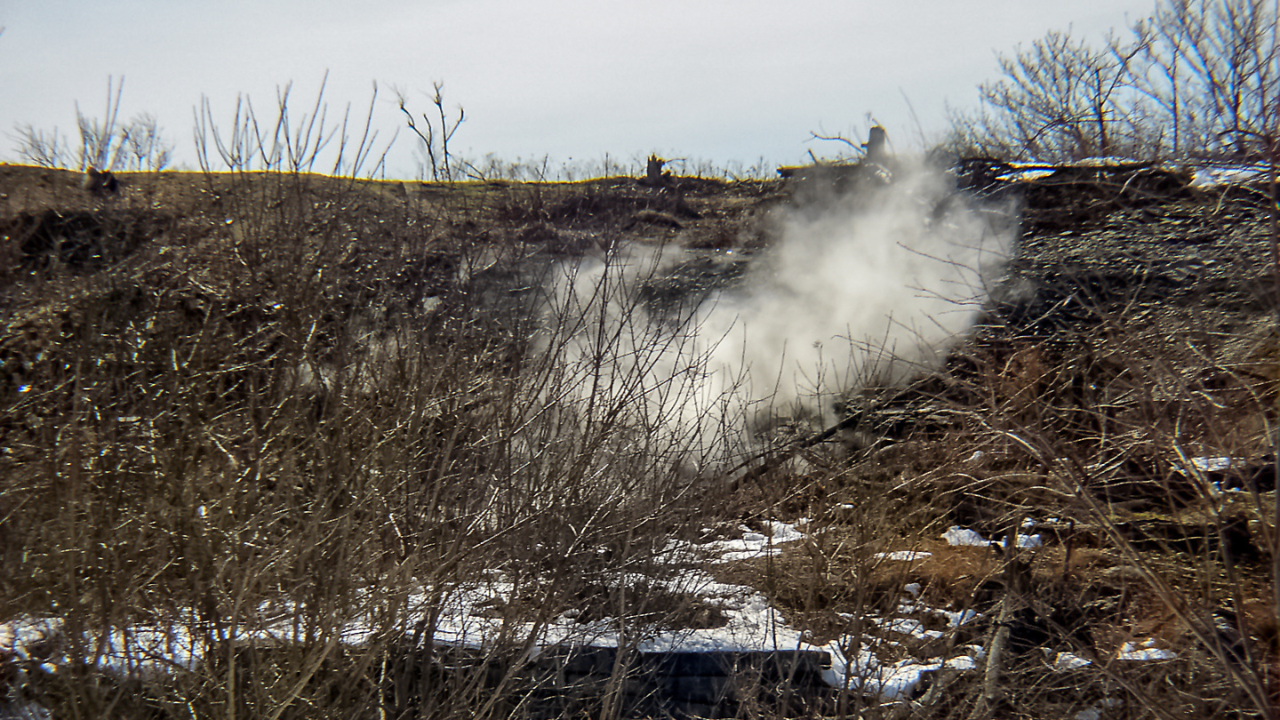
Toxic gas and smoke rising from the ground above the underground fire in 2006 | Wikimedia Commons
An underground fire that engineers couldn’t containResearchers say Centralia’s geology made the fire exceptionally difficult to extinguish. The Buck Mountain coal seam lies beneath fractured, moderately dipping rock layers that continuously allow oxygen to circulate underground, feeding the combustion, according to the International Journal of Coal Geology. As the fire expanded through the 1960s, 1970s, and early 1980s, it advanced along multiple underground fronts while producing carbon monoxide and causing dangerous ground instability.Engineers tried nearly every available technique to stop it. They flooded sections of the mine with water and rock slurry, built fly-ash barriers, excavated trenches, and attempted to isolate the burning coal. None worked. According to researchers, the fractured geology, abandoned mine workings and sheer depth of the fire made containment both technically difficult and financially impractical. One of the active fire fronts has continued advancing at roughly 20 meters (66 feet) per year, a pace that has remained remarkably consistent over decades.A sinkhole changed everything for Centralia’s residentsAs the underground blaze spread, so did the dangers above ground. Carbon monoxide seeped into homes, steam escaped through cracks in the earth, and parts of the town began to subside, according to CentraliaPA. org. The disaster gained national attention on February 14, 1981, when 12-year-old Todd Domboski was nearly swallowed after the ground suddenly collapsed beneath him, opening a deep sinkhole filled with hot gases. He survived only by grabbing a tree root while his cousin pulled him to safety.The incident accelerated government efforts to relocate residents. Using federal funding approved by Congress, Pennsylvania gradually bought out most homeowners and demolished much of the town. Today, only a handful of residents remain while the underground fire continues to burn beneath Centralia.
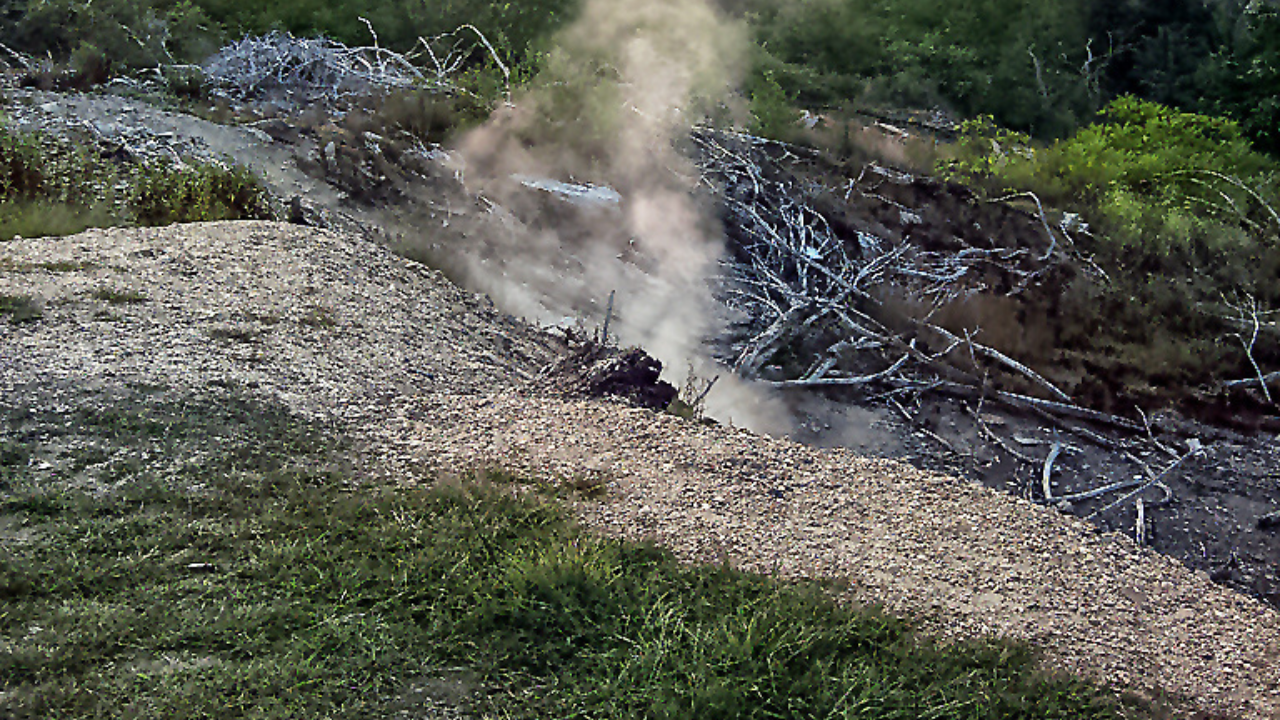
Smoke in Centralia | Wikimedia Commons
The fire transformed Centralia from a mining town into a scientific case studyThe disaster also drew the attention of geologists and environmental scientists, who have continued monitoring Centralia for decades to better understand how underground coal fires behave. Thermal imaging, gas measurements and remote sensing have helped researchers track the fire’s movement beneath the surface and identify active combustion zones. Because underground coal fires can release carbon dioxide, carbon monoxide and other harmful gases while remaining hidden for decades, lessons from Centralia have informed research into similar fires around the world. Today, the town serves not only as a cautionary tale but also as a long-term natural laboratory for studying one of the planet’s most persistent underground hazards.A disaster that still offers lessons todayScientists say Centralia remains one of the clearest examples of how underground coal fires can become virtually impossible to extinguish once they spread through abandoned mine networks. Similar fires continue burning elsewhere in the United States and around the world, releasing greenhouse gases, damaging ecosystems and creating long-term safety hazards.Although Centralia has largely disappeared, researchers continue studying the site because it illustrates the lasting consequences of abandoned mining infrastructure, complex geology, and delayed intervention. More than 60 years after a simple landfill burn ignited the coal seam below, the town stands as a reminder that some environmental disasters can outlast generations.