

It’s not just humans that are at risk of extinction due to global warming, it’s the Earth, too. In research conducted over a period of 40 years, scientists have uncovered evidence that challenges long-held assumptions about forest soils.While on the first glance, the Harvard Forest seems like an ordinary woodland filled with oak trees, there is something unique about the 1600-hectare patch of land. Some 10 centimetres below, scientists have installed a subterranean network of wires, some of which have been active for about 35 years, that warm the forest floor. By continuously heating the soil 5 degrees Celsius above ambient soil temperature, these wires imitate the warming effects of climate change for researchers who want to understand what a hotter world might mean for the surrounding ecosystem.Jerry Melillo, a scientist at the Marine Biological Laboratory has spent the past 37 years studying heated plots in the Harvard Forest in central Massachusetts. Throughout the experiment, researchers kept the soil at 5 degrees Celsius above the surrounding ground year-round. The team selected a five-degree increase because it represented the upper range of global warming projections when the experiment began decades ago.During the fourth decade of warming, they observed that stable portions of soil organic matter, which were once believed to resist warming-mediated decomposition, also began to break down. As these long-lasting carbon stores decompose, they release additional carbon dioxide into the atmosphere. The finding suggests that forest soils may contribute more carbon to the atmosphere under continued warming than scientists previously expected.
Heating up the Earth
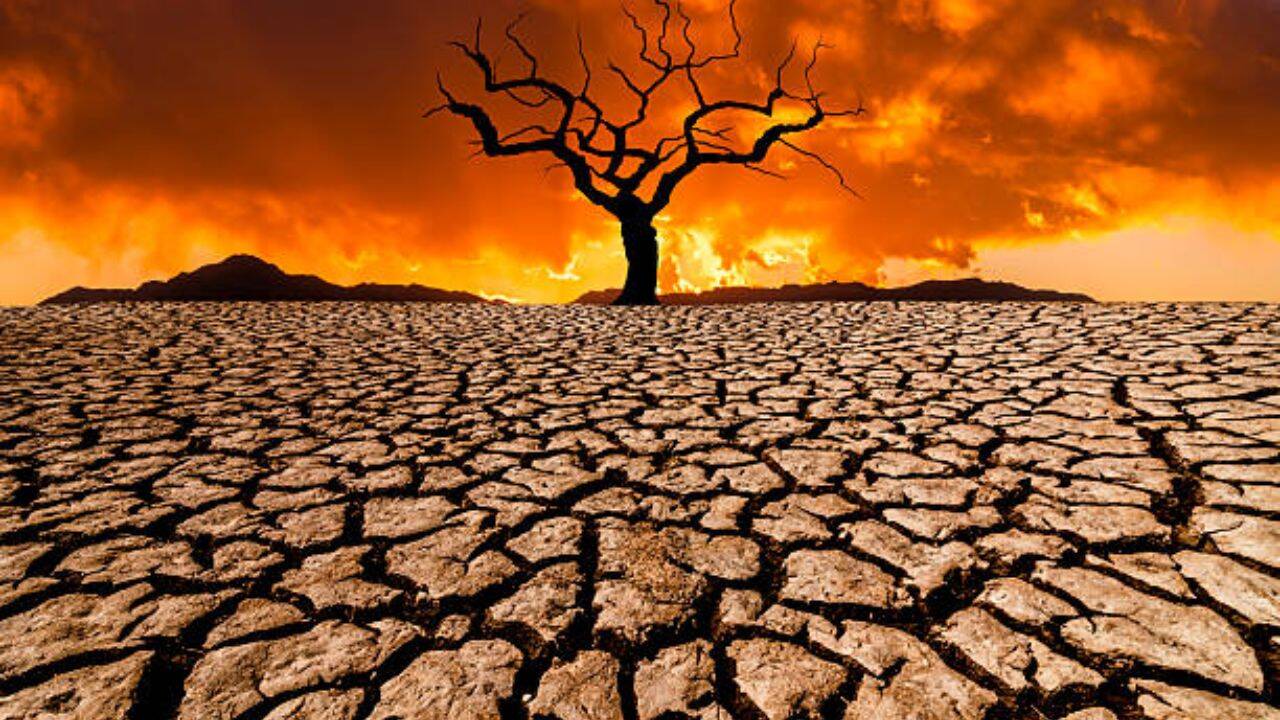
As the planet warms up, soils can release more carbon, which in turn adds more carbon dioxide to the atmosphere and contributes to more global warming.
“Microbes are critical components of soil ecosystems because they break down organic matter and recycle elements essential for plant growth,” explained Melillo. “As warming reshapes these microbial communities, it can speed the loss of carbon from soils.”Soils hold roughly 3,500 billion metric tons of carbon globally, vastly more than the entire atmosphere. Previously, scientists believed that the deep, stable parts of this carbon were locked away safely from microbial breakdown. But the study has altered the beliefs and revealed shocking consequences.The breakdown of stable soil carbon points to a potentially stronger climate feedback loop. As the planet warms up, soils can release more carbon, which in turn adds more carbon dioxide to the atmosphere and contributes to more global warming.Not just microbes and soil, the land also received more rain, less snowfall and much drier summers. More trees are falling victim to disease, and some invasive species are moving in. The bacteria that inhibited the top layer of the soil also altered in populations.Global average temperatures have already increased by about 1.1 to 1.4 degrees Celsius since the Industrial Revolution. Melillo noted that future warming will depend largely on actions taken to reduce greenhouse gas emissions. “If we dramatically cut CO2 emissions from fossil fuel burning, or reduce deforestation, the projected increase would be lower,” he shared.Researchers say incorporating this newly identified process into climate models should improve projections of future climate change and provide a more complete picture of how Earth’s carbon cycle responds to rising temperatures. Historically, climate prediction models only factored in short-term carbon losses. Because of this 37-year study, scientists know they must update climate models to account for the slow, decades-long release of carbon from these once-protected deep soil layers.