
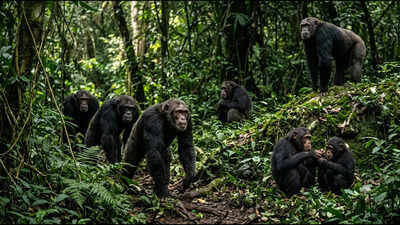
When we think about animals fighting, we often think that the fight happens in the heat of the moment. But scientists say the real story begins much earlier. Long before any fight starts, many social animals quietly prepare themselves.A new review published in the journal Trends in Ecology & Evolution, has found that animals such as chimpanzees, meerkats, mongooses, baboons and even ants change their behaviour when they expect conflict with rival groups.These preparations can include staying silent, watching for danger, marking territory, carrying out raids and even spending more time grooming or playing with one another.Researchers say these actions are not random. They help animals gather information, reduce risks and improve their chances of surviving a conflict over territory, food, space or mates.
Preparing for war
The researchers explain that conflict between different groups of the same species is common across the natural world. It is seen in many social animals, from ants to primates.“Intergroup conflict is rife throughout the natural world, being found in social species from ants to primates,” said corresponding author Andrew Radford from the University of Bristol in the UK, as quoted by Science X.Such conflicts often happen because groups compete for important resources. Winning or losing can affect whether animals survive and reproduce, making conflict an important part of evolution.Until now, most studies have focused on what animals do during fights or after they end. However, this review highlights that animals also show many behaviours before a conflict begins.The researchers say evolution may have favoured these early preparations because they increase the chances of success when rival groups finally meet.
Danger level changes behavious
According to the researchers, animals do not prepare in the same way every time. Their behaviour depends on how serious they think the threat is.“What is becoming very clear is that preemptive behavior is widespread whenever intergroup conflict is found,” said first author Josh Arbon of the University of Bristol.“There is growing evidence that the amount of anticipatory behavior displayed is dependent on the current threat level. More is seen when rivals are more likely to be encountered, larger in size, less familiar or more likely to attack.”In simple terms, animals appear to judge how risky a situation is. If they believe a dangerous encounter is likely, they become more alert and take extra precautions.
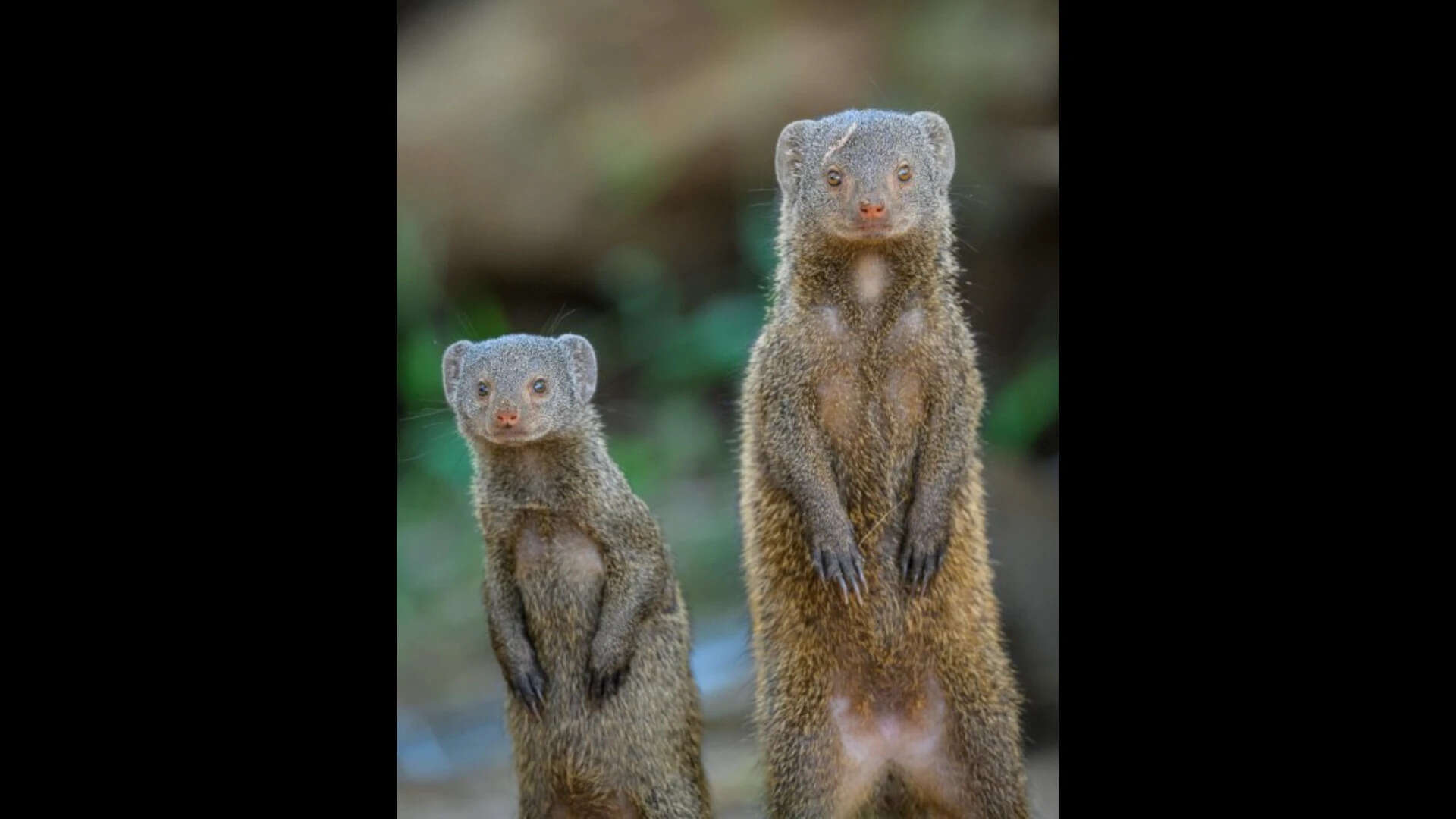
Dwarf Mongooses Guarding Territory (Re presentational photo: Instagram/Sean Crane)
Resembling human military
The researchers point out that humans have long prepared for war by gathering information, watching from higher ground, carrying out surprise attacks and moving quietly to avoid being detected. Scientists now say similar behaviours can be seen in many wild animals.“Studying other species experimentally and in natural conditions can not only expand our understanding of a widespread aspect of sociality but also help to provide insights into our own conflicting ancestry,” Radford said.Although animals do not plan wars in the human sense, they appear to use behaviours that serve similar purposes before meeting rival groups.
Watching and staying quiet
One common strategy is increased vigilance. Instead of relaxing, animals spend more time looking and listening for possible threats.Studies have shown that chimpanzee groups often rest on hilltops in places where conflicts with neighbouring groups are likely. Instead of making noise while feeding or travelling, they stay in positions where they can watch the surrounding area.Dwarf mongooses have shown similar behaviour. When they detect the smell or calls of rival groups, they move more slowly and increase sentinel behaviour. A sentinel is an animal that stands guard while others remain alert.
Importance of territory
In case of a threat, many species increase activities that signal ownership of their territory. For example, dwarf mongooses leave more scent marks after researchers simulate the presence of rival groups. Meerkats also place scent marks near burrows that outsiders have inspected.Black howler monkeys show another pattern. They often return to places where earlier conflicts happened, possibly to remind neighbouring groups that the area is already occupied.
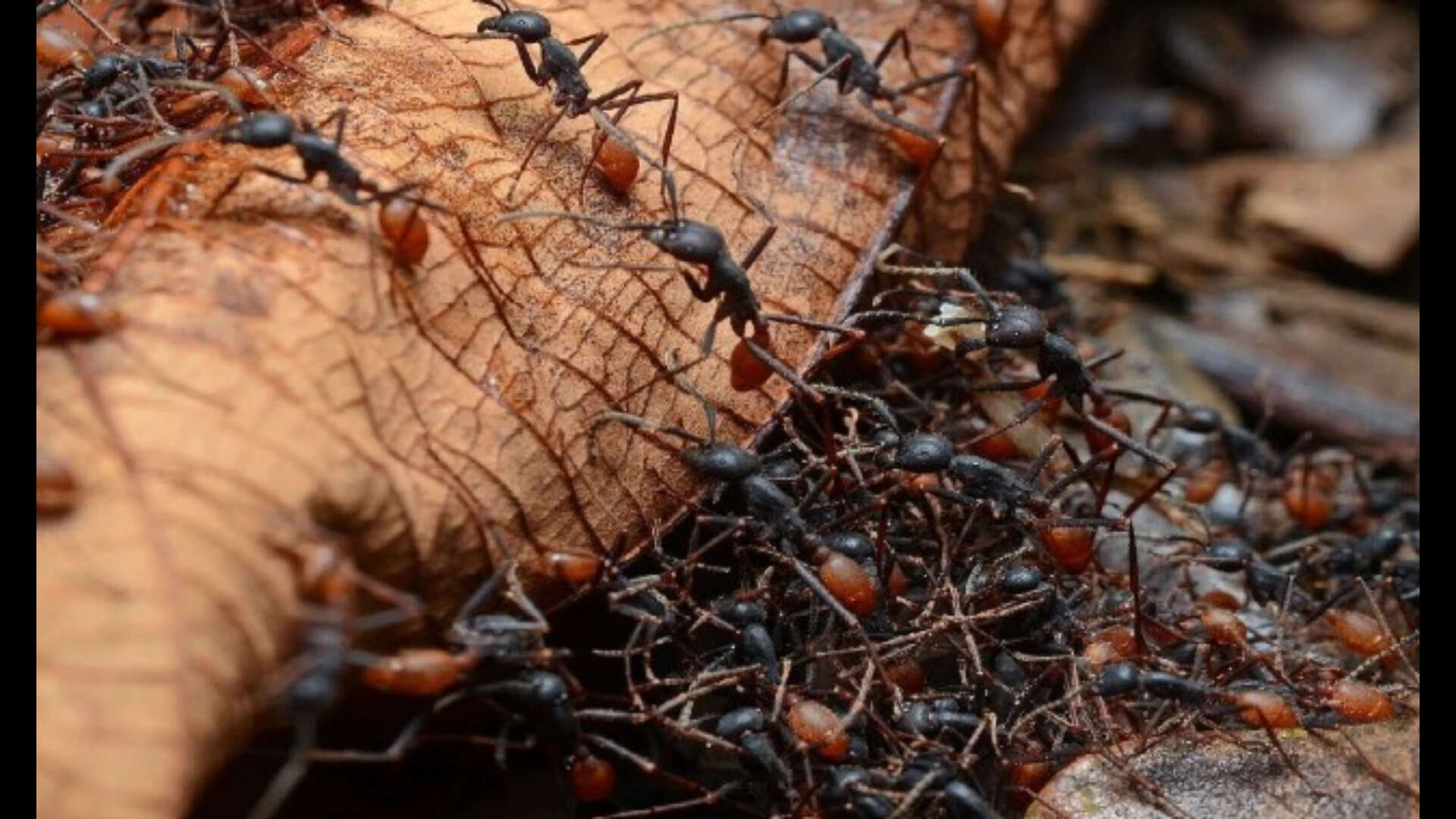
Ants organising before battle (Representational photo: National geographic)
However, not all species respond by standing their ground. Japanese macaques, chacma baboons and long-tailed tits often avoid places where rival groups live, reducing the chance of direct conflict.The researchers say different species have developed different ways of dealing with threats depending on their environment and social behaviour.
Take the fight to rivals
While many animals prepare defensively, others sometimes go on the offensive. Chimpanzees provide one of the best-known examples. Male chimpanzees quietly enter neighbouring territories in single file, moving silently towards the calls of rival groups. Scientists believe they do this while preparing to attack.Banded mongooses also carry out raids. According to the review, they sometimes launch deadly group attacks aimed at killing the young of rival groups.These behaviours show that preparation is not always about avoiding conflict. In some cases, animals actively seek opportunities to gain an advantage before their rivals can react.
Staying together
The researchers also found that animals often strengthen social bonds when they face outside threats. For example, chimpanzees spend more time grooming and playing together before defending their territory.Scientists believe these activities do more than simply improve relationships within the group. They may help reduce stress, improve communication and create stronger cooperation when a conflict eventually takes place.“There is increasing evidence that nonhuman animals adjust various behaviors to enhance information gathering, incentivize contest participation, reduce anxiety, and minimize collective and individual risk in anticipation of encounters with rival groups,” Arbon said.“What is notable is that these behaviors occur across a diverse range of social species,” he added.